 Singing Coach AI
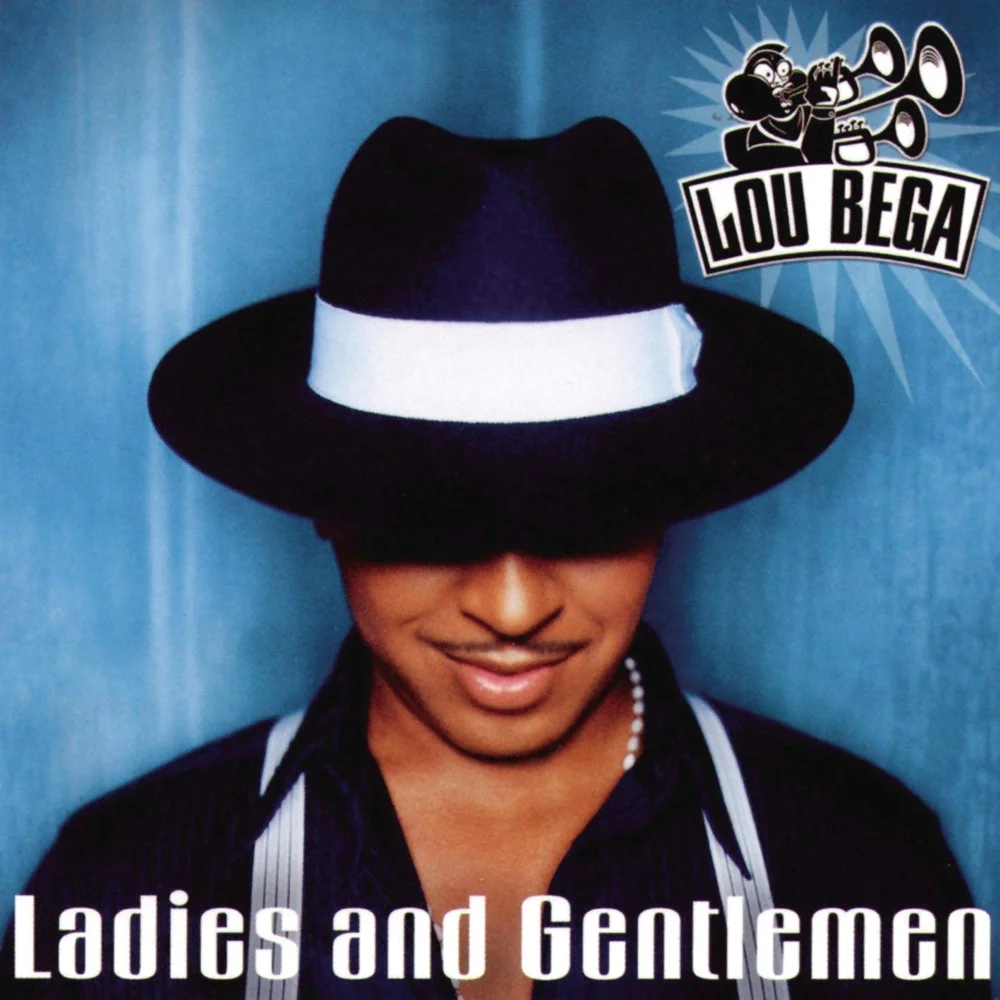
Rhythm Over Range: Mastering The Mambo
Club Elinaire brings Lou Bega's signature blend of 1950s mambo sampling and modern pop beats to the forefront. Unlike power ballads that require massive vocal range, this track demands impeccable timing, attitude, and breath control. It captures a specific retro-swing vibe that is often harder to sing than it sounds.
To sing this well, you need to act more like a percussion instrument than a melodic one. The delivery is staccato, punchy, and incredibly fast-paced. Let's break down exactly how to tackle the groove, section by section.
Phase 1: The Verse Flow
The verses in Club Elinaire are conversational but rhythmic. Lou Bega uses a technique common in swing music where the vocals sit slightly behind the beat (the "pocket"), but never drag.
The Trap: Running out of breath. Because the lines are continuous with very few pauses, you need to engage your diaphragm and take "sips" of air quickly between phrases rather than deep gasps, which will throw off your timing.
Phase 2: The Chorus Hook
The energy lifts here. The melody becomes more sustained compared to the staccato verses. You should switch from a spoken-word style to a sung melody in your mid-range chest voice.
- The Attack: Hit the first note of the chorus with confidence. This sets the energy for the whole section.
- Tone Color: Keep the sound bright and forward (smile while you sing) to match the brass instruments in the background.
- Vibrato: Use minimal vibrato. This genre calls for a straight, punchy tone.
Phase 3: The Breakdown
In the bridge, the instrumentation strips back. This is your moment to show personality. Lou Bega often adds ad-libs and spoken interjections here. The key is "swagger." If you sound shy, the song falls flat. Project your voice as if you are addressing a crowded room without a microphone.
Focus on the "bounciness" of the rhythm. If you are stiff, your voice will sound stiff. Move your body while recording to help lock in the groove.