 Singing Coach AI
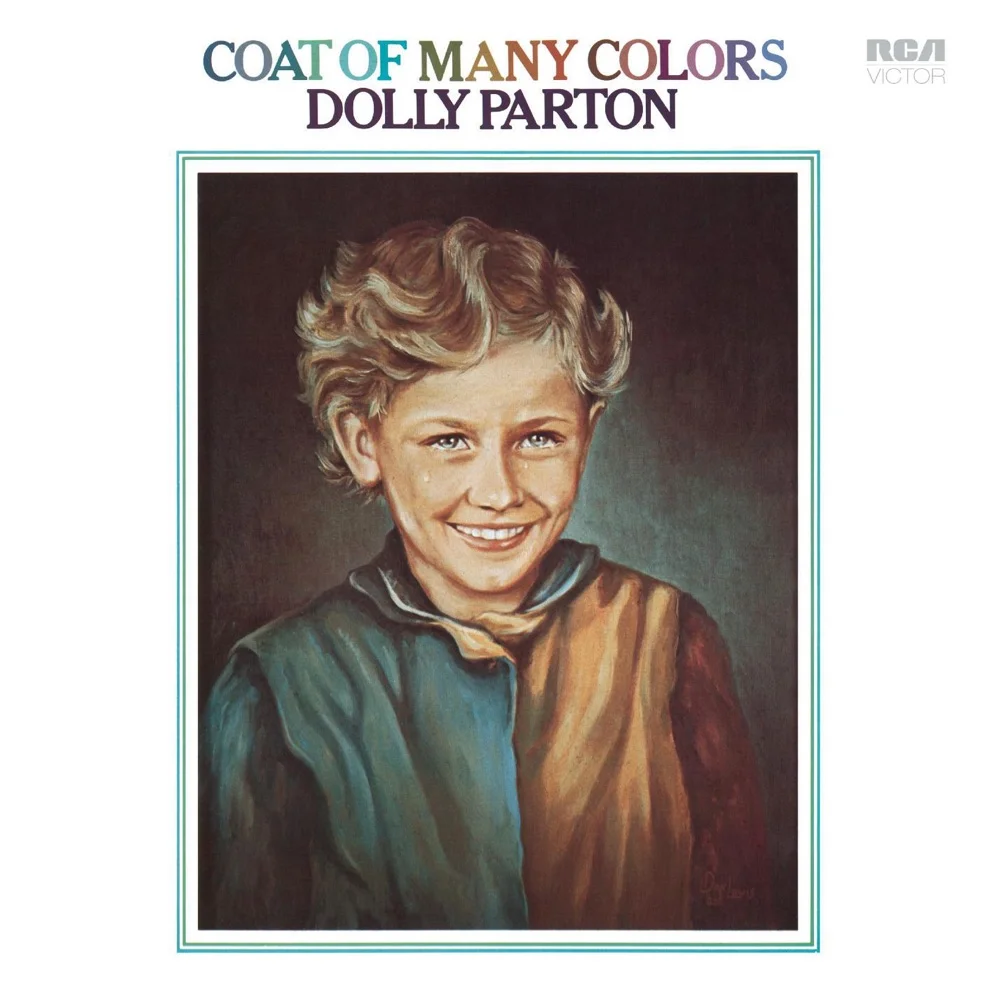
A Masterclass in Storytelling
Coat of Many Colors is arguably Dolly Parton's signature song. Released in 1971, it tells a true story from her childhood. Unlike power ballads that rely on huge belts, this song requires vulnerability, precise diction, and a "smiling" tonal quality.
To sing this well, you must prioritize the narrative. The listener needs to hear every word clearly. The vocal range is manageable for most female voices (G3-D5), but keeping the tone bright and consistent throughout the verses is the real challenge.
Phase 1: The Narrative Verses
The song is structured around the verses which carry the plot. The melody is repetitive, so you must use dynamics to keep it interesting. Start the first verse ("Back through the years...") gently, almost like you are speaking to a friend.
The Trap: Because the melody repeats, singers often go on "autopilot" and the pitch begins to sag flat. Keep your energy up, especially at the ends of phrases.
Phase 2: The Emotional Bridge
As the story progresses to the bullying scene ("And I couldn't understand it..."), the intensity rises. You can allow more chest voice into your mix here. The emotion should feel raw, but controlled.
- Diction: Consonants need to be crisp. Words like "rags," "patches," and "sewed" are crucial to the imagery.
- Breath Control: The phrases are relatively short, but don't gasp for air. Take quick, silent "sip" breaths.
Phase 3: The Country Vibrato
Dolly is famous for her fast, shimmering vibrato. It usually appears at the very end of sustained notes. To mimic this style without sounding forced, keep your jaw relaxed and let the vibrato come naturally as the air pressure releases.
If you are struggling with the "twang," try narrowing your vocal tract slightly (think of a "nye-nye" sound) to get that authentic country timbre without straining your throat.