 Singing Coach AI
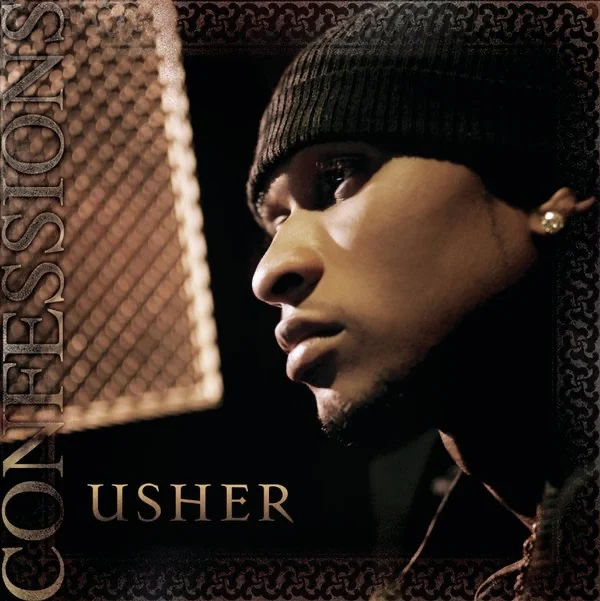
The Gold Standard of R&B Storytelling
Confessions Part II isn't just a song; it's a dramatic monologue set to a beat. Released in 2004, this track is the peak of early 2000s R&B, combining intricate vocal runs (melisma) with raw, conversational delivery. Usher masterfully blends guilt, panic, and confession into a vocal performance that requires acting as much as singing.
To sing this well, you need agility. The song sits comfortably in a Tenor range, but the rapid-fire delivery of the lyrics in the verses and the emotional intensity of the bridge make it a stamina test. Let's break down exactly how to tackle it, section by section.
Phase 1: The Verses (Storytelling Mode)
The song begins with a spoken-word style intro. When the verse kicks in, you are singing in a "chest-mix." You aren't belting, but you aren't whispering. The challenge is the syncopation.
The Trap: Many singers run out of breath because there are very few pauses between lines like "Got me talking to myself, asking how I'm gonna tell you." Practice "sip-breathing"—taking tiny, quick breaths between phrases without breaking the mood.
Phase 2: The Chorus (Harmonic Layering)
The chorus ("These are my confessions...") is smoother and more melodic than the verses. Here, Usher layers multiple vocal tracks. To replicate this solo:
- Placement: Move the sound forward into your "mask" (the front of your face) to get that bright R&B tone.
- Falsetto Flips: Listen for the subtle flips into head voice at the end of phrases. Do not push chest voice too high here, or you will sound aggressive rather than apologetic.
Phase 3: The Bridge (The Breakdown)
This is the emotional climax. The line "This is by far the hardest thing I've ever had to do" requires grit. You need to access your "cry" vocal mode—slightly raising the larynx to create a desperate, pleading sound without straining your cords.
The ad-libs following this section go up to C5. These should be loose and riff-heavy. If you can't hit the high notes, stick to the main melody, but keep the intensity high.