 Singing Coach AI
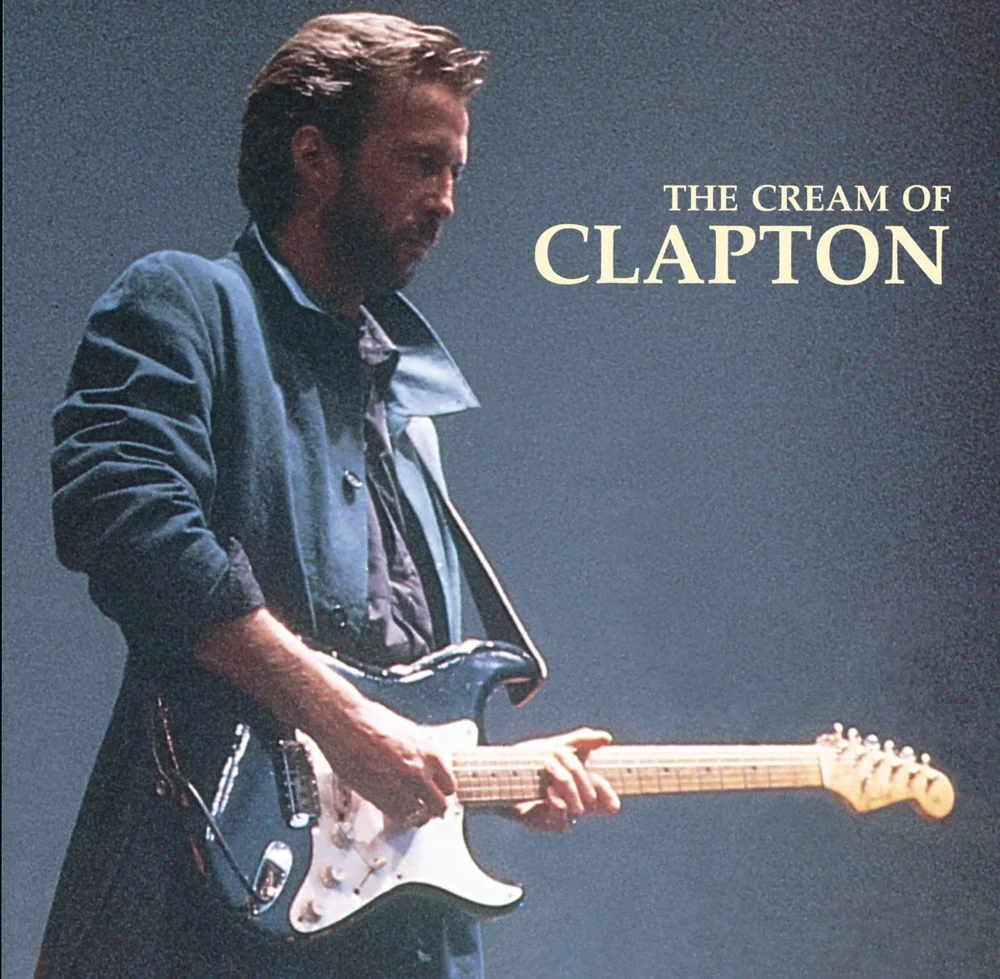
The High-Octane Blues Standard
Originally written by Robert Johnson, Cream's interpretation of Crossroads is a masterclass in blues-rock energy. Recorded live at the Winterland Ballroom, this track demands a vocalist who can keep up with the frenetic tempo set by Jack Bruce and Ginger Baker while delivering Eric Clapton’s soulful, gritty lines.
To sing this well, you need agility. The vocal melody weaves in and out of the complex guitar riffs. It requires a forward chest placement and the ability to sustain power in the upper-middle range.
Phase 1: The Riff & Entry
The song kicks off with that iconic guitar riff. Your entry on "I went down to the crossroads" needs immediate presence. This isn't a ballad; you need to match the volume of the band.
The Technique: Use a glottal attack on the vowels to give your voice a percussive quality that cuts through the mix. Keep your jaw loose to allow for rapid diction.
Phase 2: The High Sustains
In the lines "Tell the truth" and "Save poor Bob if you please," the melody pushes up to A4. This is the top of the chest voice range for many male singers.
- Resonance: Aim the sound towards the hard palate (behind your top teeth).
- Support: Engage your core muscles strongly before the high note hits. If you hesitate, the note will fall flat.
- Style: Add a slight "cry" or "whine" to the tone. This is the essence of the blues sound.
Phase 3: The Call and Response
Blues is conversation. In Crossroads, the vocal lines often act as a call to the guitar's response. Leave space at the end of your phrases. Don't rush into the next line; let the music breathe.
Singing the line "Asked the Lord above for mercy" requires a switch to a more soulful, pleading tone. Soften the grit slightly here for dynamic contrast.