 Singing Coach AI
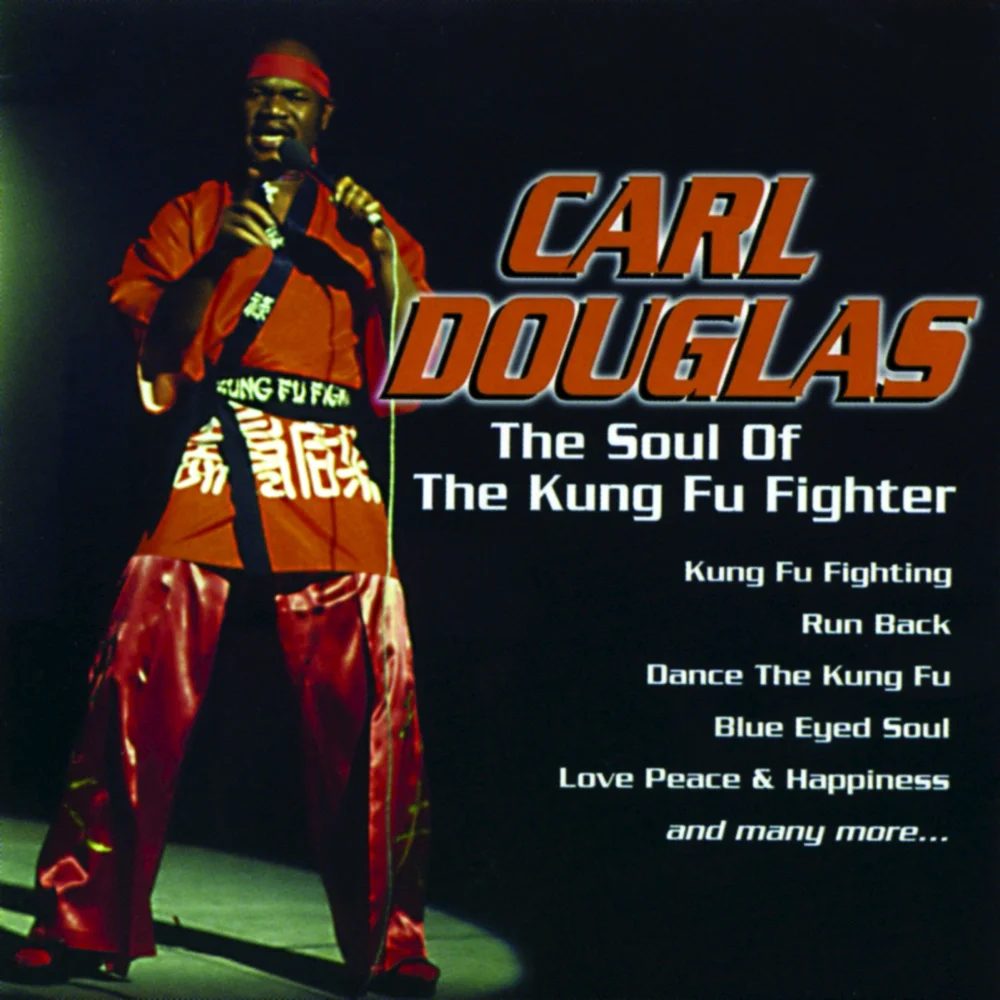
Unleash Your Inner Disco Warrior
Released as the follow-up to the smash hit "Kung Fu Fighting," Dance the Kung Fu retains the high energy and infectious groove of its predecessor. Carl Douglas delivers a performance that blends soul, funk, and theatrical vocal play.
To sing this track effectively, you need more than just pitch accuracy; you need attitude. The song relies heavily on rhythmic delivery, call-and-response dynamics, and explosive vocal punctuations ("Hoo! Ha!").
Phase 1: The Rhythmic Verses
The verses ("To the north, to the south...") require a staccato delivery. You are essentially acting as a percussion instrument here. The melody is relatively simple, hovering around the tonic and dominant notes, but the challenge lies in staying strictly on the beat.
The Trap: Many singers drag behind the beat because they are reading the lyrics rather than feeling the groove. Keep your consonants crisp and short.
Phase 2: The Chorus Hook
The chorus line "Everybody dance the Kung Fu" opens up melodically. Here, you should switch from the clipped delivery of the verse to a smoother, more inviting tone. Keep the throat open and smile while singing to brighten the resonance—this creates that classic 70s disco timbre.
Phase 3: The Energy & Stamina
This is a dance track, which means the energy must remain high from start to finish. There are no ballads breaks to rest your voice. Practice breathing deeply during the instrumental breaks to ensure you have enough air to drive the final choruses home without sounding winded.