 Singing Coach AI
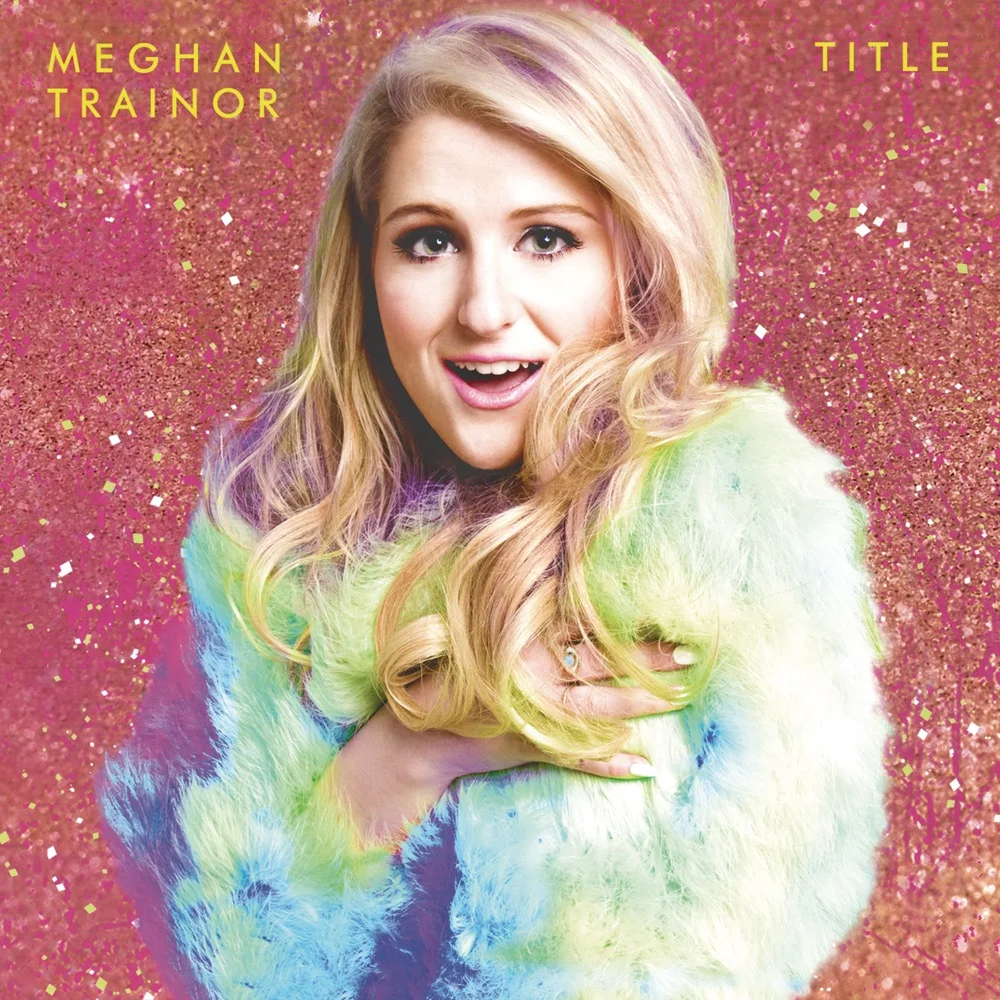
The Ultimate Doo-Wop Challenge
"Dear Future Husband" is a vibrant throwback to the girl-group sounds of the 1950s and 60s. Written by Meghan Trainor and Kevin Kadish, the track relies heavily on swing rhythm, fast-paced lyrical delivery, and a confident "sassy" tone.
The song sits in Db Major and requires a solid chest voice that can transition smoothly into a bright, forward mix. The challenge isn't just hitting the notes—it's hitting them with the right attitude while enunciating clearly at a high tempo.
Phase 1: The Intro & Verses
The song opens with the iconic "Ah-ah-ah" harmonies. This establishes the doo-wop feel immediately. Keep your placement bright and forward—imagine the sound vibrating in your "mask" (nose and cheekbones).
The Trap: The verses are conversational but rhythmic. If you sing them too melodically (too "legato"), you lose the groove. Keep the notes short and punchy (staccato) to match the bouncy piano accompaniment.
Phase 2: The Chorus Hook
The chorus ("'Cause if you'll treat me right...") sits comfortably in the middle range for most Mezzo-Sopranos. The focus here should be on dynamic contrast. Grow slightly louder on the word "right" and punch the accents on the beat.
The melody is catchy and repetitive, which means you need to vary your tone or add subtle vocal inflections (like small slides up to notes) to keep it interesting, just like Trainor does.
Phase 3: The Bridge & Ad-libs
This is where the vocal agility is tested. The bridge requires you to jump intervals quickly. The backing vocals and ad-libs often reach up to an F5.
When going for the higher notes in the ad-libs, avoid dragging your heavy chest voice up. Instead, switch to a head-dominant mix. This will give you that "girly," retro texture without straining your vocal cords.