 Singing Coach AI
The "Mount Everest" of Broadway Belting
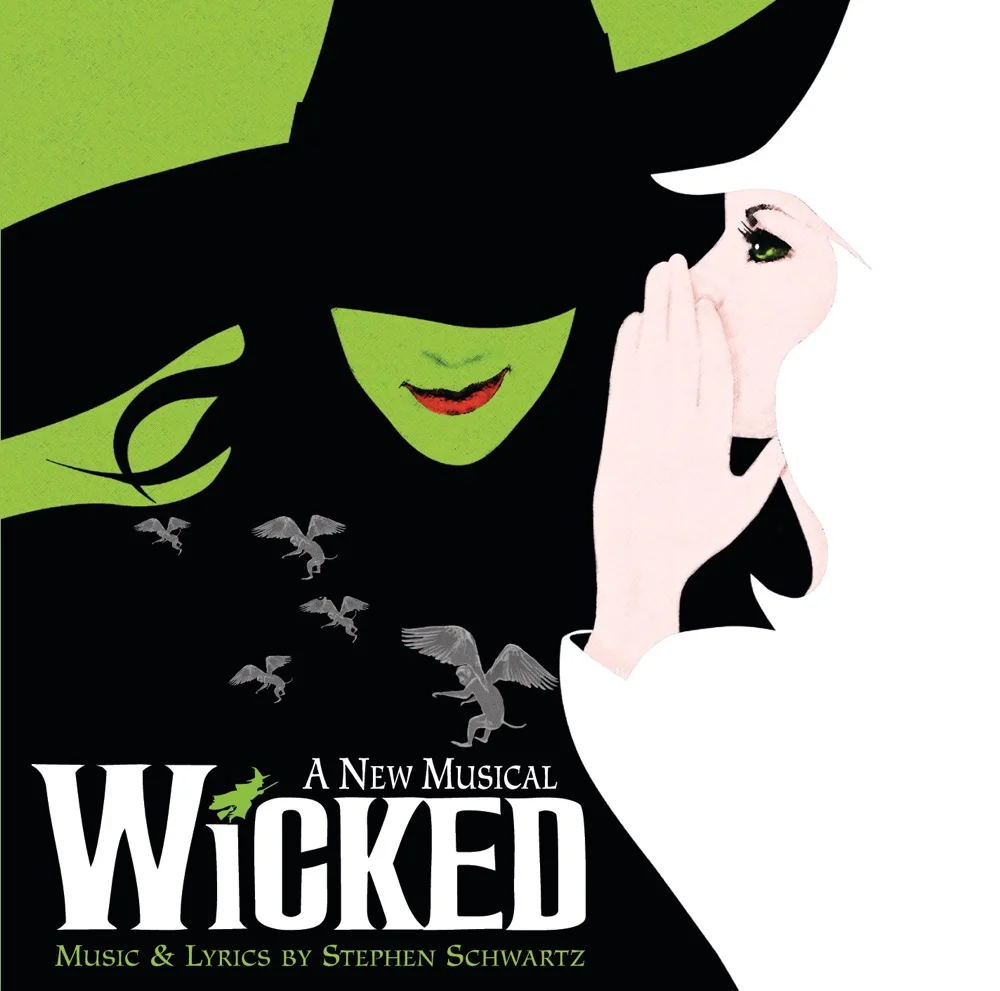
Defying Gravity is widely considered the ultimate test for a musical theatre performer. Composed by Stephen Schwartz for the 2003 musical Wicked, it serves as the Act I finale where Elphaba discovers her true power. It requires incredible stamina, acting ability, and a rock-solid high belt.
To sing this well, you cannot rely solely on chest voice or you will tire out before the end. You need a balanced "mix" voice and the ability to modify vowels to sustain the higher notes without strain. Let's break down the strategy.
Phase 1: The Argument (Intro - 1:45)
The song begins in B Major (shifting keys frequently) with a recitative style. This is a dialogue between Glinda and Elphaba. The focus here should be on diction and acting, not power. Keep the volume at a conversational level (mezzo-piano).
The Trap: Many singers start "Something has changed within me" too aggressively. Keep it internal and thoughtful. Let the intensity build slowly as the realization hits.
Phase 2: The Ascension (1:45 - 3:20)
As the tempo picks up ("Unlimited..."), you move into the Db Major anthem section. This is where your mix voice becomes crucial. The melody hovers around the bridge (passaggio) for many singers.
- So if you care to find me: Keep the placement forward, right behind your teeth.
- Look to the western sky: Use a lighter mix here. Don't pull pure chest voice up, or the transition to the chorus will feel heavy.
- Glinda's Harmony: If you are singing the duet version, ensure your volume balances with the lower harmony line.
Phase 3: The Battle Cry (3:20 - End)
The climax. Elphaba takes flight. The final sequence requires sustaining a Db5 and eventually the legendary F5 belt ("Bring me down!").
To hit the F5 safely, you must modify the vowel. Do not sing a closed "ee" or "me" sound. Open it towards "May" or an open "Ih" sound to drop the jaw and raise the soft palate. Engage your core fully; if you sing from the throat here, you risk injury.