 Singing Coach AI
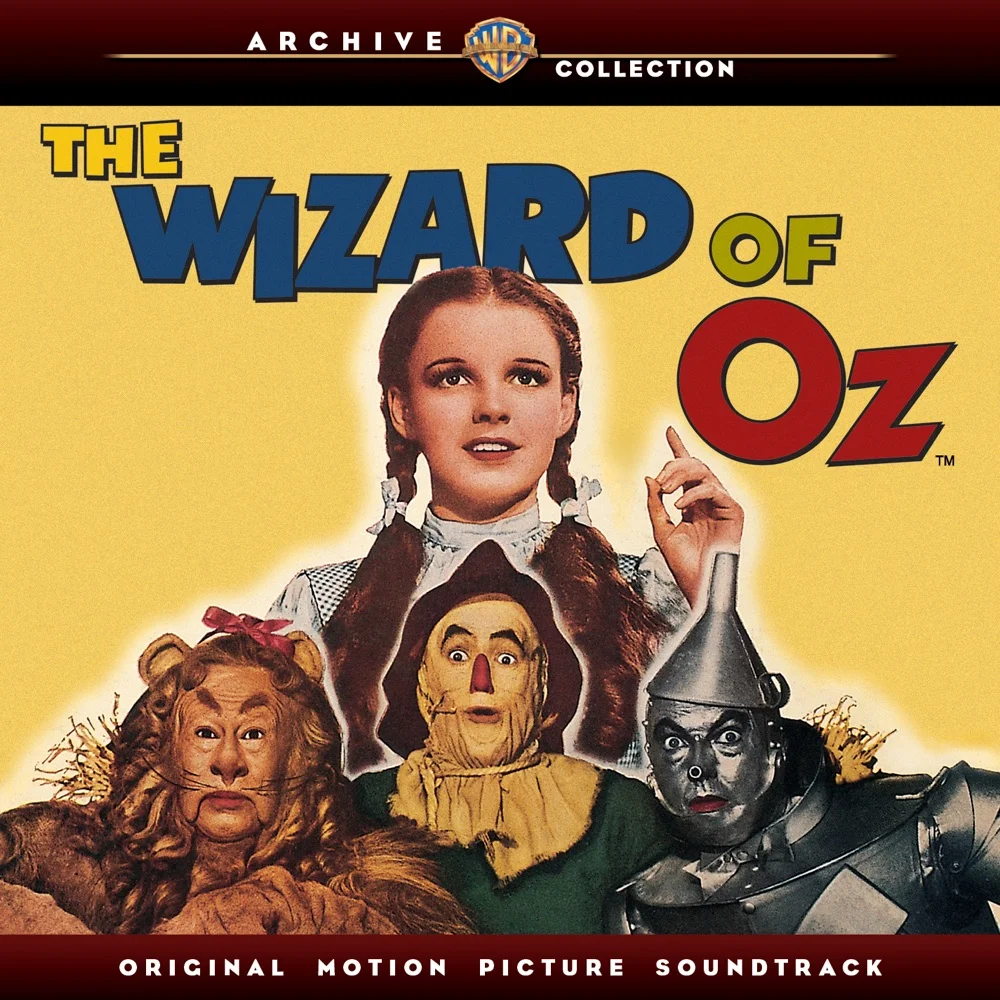
The Ultimate Celebration Anthem
"Ding-Dong! The Witch Is Dead" is the centerpiece of The Wizard of Oz soundtrack. While it appears simple on the surface, performing it authentically requires high energy, precise rhythm, and a specific "character voice" technique. The track is short, clocking in under a minute, but it packs a significant amount of lyrics and melody into that timeframe.
To sing this well, you need to abandon the dark, rich tones of pop ballads. This song lives in the "mask" of the face—bright, forward, and slightly nasal. Let's break down how to capture the joy of Munchkinland.
Phase 1: The Coroner's Report
The song often begins with the recitative section: "As Coroner, I must aver, I thoroughly examined her." This section is less about melody and more about rhythmic precision and diction.
The Trap: Slurring the words. Because the tempo is brisk, it is easy to lose clarity. Focus on crisp consonants, particularly the 't's and 'd's. Treat this section almost like spoken word set to pitch.
Phase 2: The Chorus (Ding-Dong)
This is the famous hook. The melody jumps around C major arpeggios. The phrasing should be staccato (short and detached). Do not drag out the notes on "Ding" or "Dong." They should pop.
- Resonance: Aim for a nasal placement. Imagine the sound vibrating in your nose rather than your chest.
- Harmony: The original recording features group vocals. In the Singing Coach AI app, you can choose to sing the melody or practice the high harmonies (up to E5).
- Energy: This is a celebration! If you sound bored, you fail. The energy must remain high from the first note to the last.
Phase 3: The High Finish
The song concludes with a high-energy repeat of "The Witch is Dead!" ending on a high note. Ensure you have taken a deep breath before the final phrase so you can sustain the last note with a steady, vibrato-free tone.