 Singing Coach AI
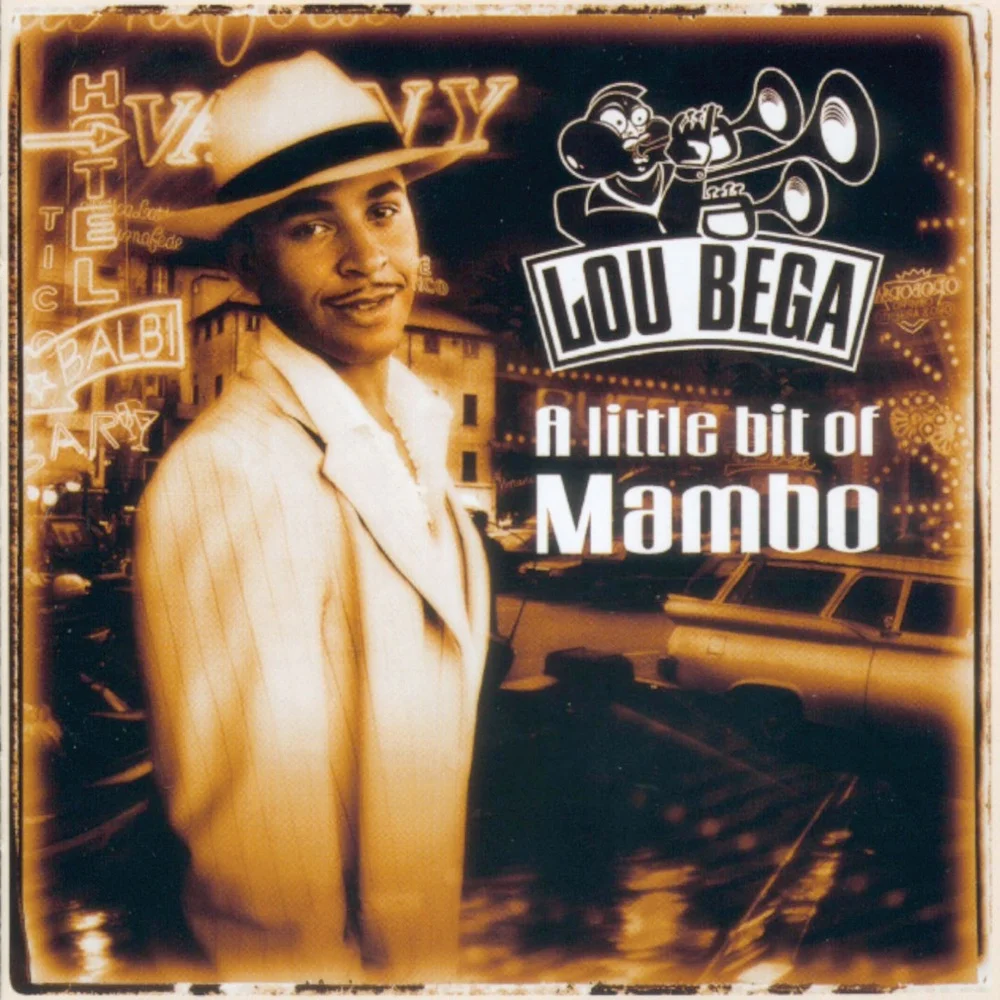
The Rhythm of the Mambo
Released on the hit album A Little Bit of Mambo, "Disney Town" captures Lou Bega's signature style: infectious retro-pop beats mixed with rapid-fire spoken lyrics. Unlike power ballads, this song isn't about hitting high notes; it's about charisma, timing, and storytelling.
To sing this well, you need to treat your voice like a percussion instrument. The melody is simple, but the groove is non-negotiable. You must lock in with the brass section and the beat.
Phase 1: The Verses (The Storyteller)
The verses are spoken-sung (Sprechgesang). You should stay in your comfortable chest voice range (around A2 to A3). Keep the tone conversational but punched with energy.
The Trap: It is easy to drag behind the beat. Lou Bega sings slightly ahead of the beat to create that driving mambo feel. Don't get lazy with your phrasing!
Phase 2: The Chorus (The Hook)
Here the melody opens up. It is catchy, repetitive, and bright. You want to smile while you sing this section—literally. "Smiling" widens the vocal tract and brightens the tone, giving you that authentic pop sheen.
- Energy: The chorus requires a step up in volume. Support from your diaphragm to avoid sounding flat.
- Pitch: The notes are not high, but they must be precise. Avoid sliding up to the notes; hit them dead on.
Phase 3: The Bridge & Breakdown
The song features instrumental breaks where the vocals interact with the horns. Keep your breathing steady during these breaks so you are ready to jump back in with full power. The vocal texture should be playful and light, never heavy or operatic.