 Singing Coach AI
The Ultimate Pop-Horror Anthem
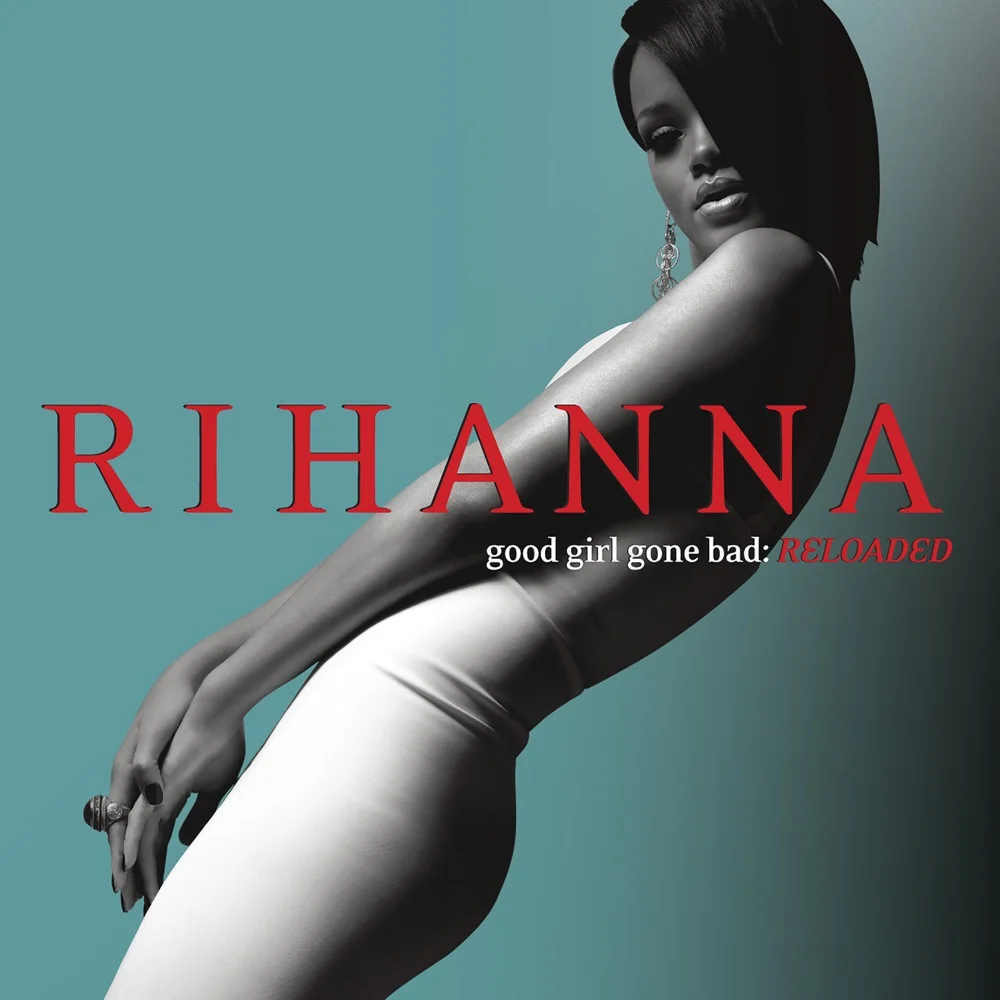
Released in 2008 as part of the Good Girl Gone Bad: Reloaded reissue, "Disturbia" marked a shift into darker electropop territory for Rihanna. The song is famous for its "Bum-bum-be-dum" hook, driving synth beat, and eerie lyrical content.
To sing this well, you need more than just pitch accuracy; you need attitude. The vocal style alternates between a low, almost spoken chest voice in the verses and a soaring, powerful belt in the chorus. It requires agility and stamina.
Phase 1: The Verses (0:15 - 0:45)
The song is in the key of B Minor. The verses sit quite low, hovering around D3. For sopranos, this can feel uncomfortable. The trick is to avoid pushing too much air.
The Trap: Losing volume on the low notes. Use a bit of "vocal fry" or a spoken-word approach to give the verses texture without straining to hit the bottom of your range.
Phase 2: The Pre-Chorus (0:45 - 1:00)
This section ("It's a thief in the night...") builds the tension. You need to transition from your lower chest voice into a forward mix. The melody ascends, and the volume should increase naturally.
- Rhythm: The delivery here is faster. Focus on consonant articulation to keep up with the beat.
- Breath: Take a solid breath before "to come and grab you," as the phrase is long and requires sustained energy.
Phase 3: The Chorus Belt (1:00 - 1:30)
The energy explodes here. The word "Disturbia" and the line "Am I seeing things tonight?" require a strong chest belt, reaching up to C#5 and occasionally touching E5 in ad-libs. This is the emotional peak of the song.
To hit these notes safely, engage your core (diaphragm) and think of projecting the sound forward, towards your front teeth. Do not yell from the throat.