 Singing Coach AI
The Soulful 80s Classic
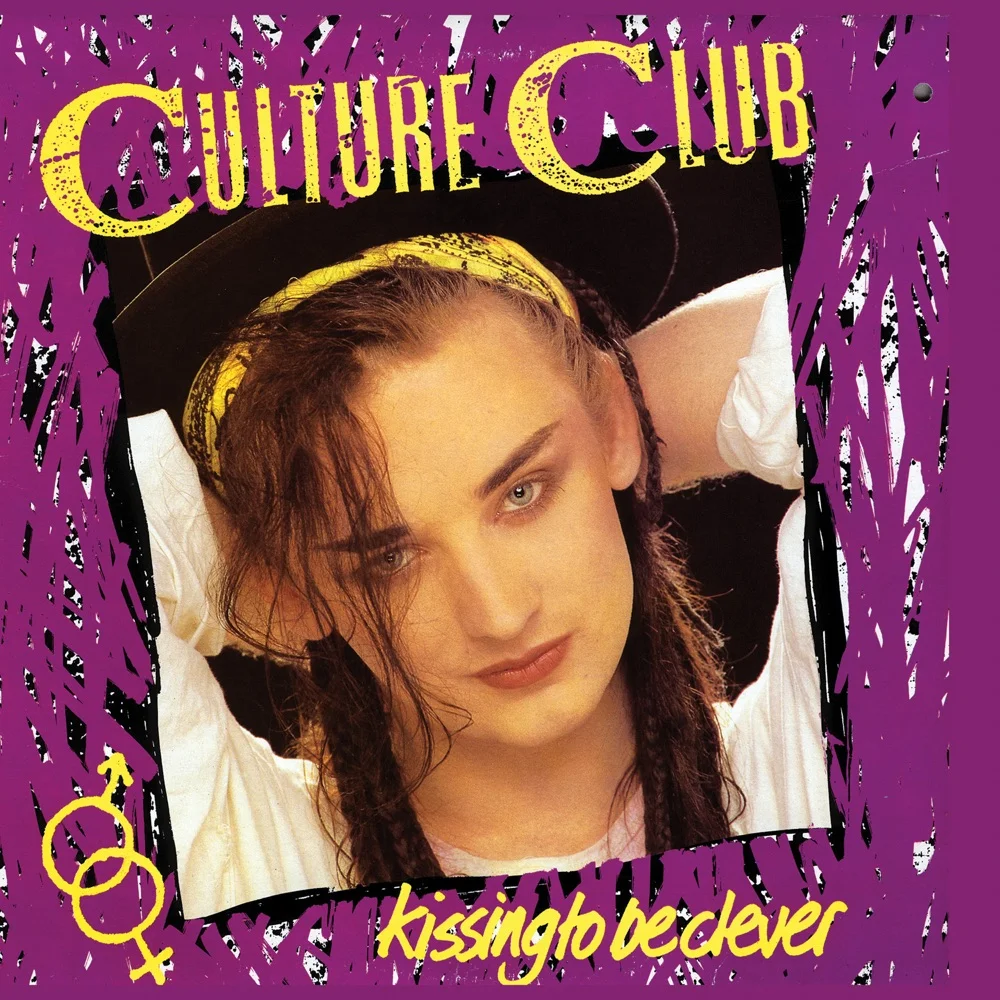
Released in 1982, Do You Really Want to Hurt Me was the song that introduced Boy George and Culture Club to the world. It is a masterpiece of "blue-eyed soul" mixed with a relaxed reggae beat. Unlike high-energy rock songs, this track relies on nuance, vulnerability, and specific stylistic inflections.
To sing this well, you need to abandon the need for power and focus on "cry" and storytelling. Boy George's vocal performance is iconic because it sounds effortless, yet it is full of sorrow and longing. Let's break down the technique.
Phase 1: The Verses (Smooth & Breathy)
The song starts with "Give me time to realize my crime." This sits in a very comfortable mid-range for Tenors. The key here is a soft onset. Don't attack the words hard.
The Technique: Use a bit of breathiness in your tone to convey intimacy. Keep your larynx neutral. If you push too hard, you lose the "Boy George" signature sound, which is delicate and soulful.
Phase 2: The Chorus (The Hook)
The title line, "Do you really want to hurt me," is repetitive but requires pitch precision. The melody lifts slightly here.
- Do You Really: Keep the diction clear but connected (legato).
- Hurt Me: This is the emotional peak. Don't slide (portamento) too much into the notes; try to hit the pitch center cleanly to contrast with the relaxed verses.
- Make Me Cry: Add a slight "whimper" or vocal fry at the end of the phrase for stylistic effect.
Phase 3: The Bridge & Ad-libs
As the song progresses, Boy George adds more soul-inspired ad-libs. This is where you can experiment with your upper chest register. The range extends up towards C5 in the improvisations, but it should never feel shouted. Keep the sound forward in the mask (face resonance) rather than deep in the throat.