 Singing Coach AI
Mastering the Eurodance Anthem
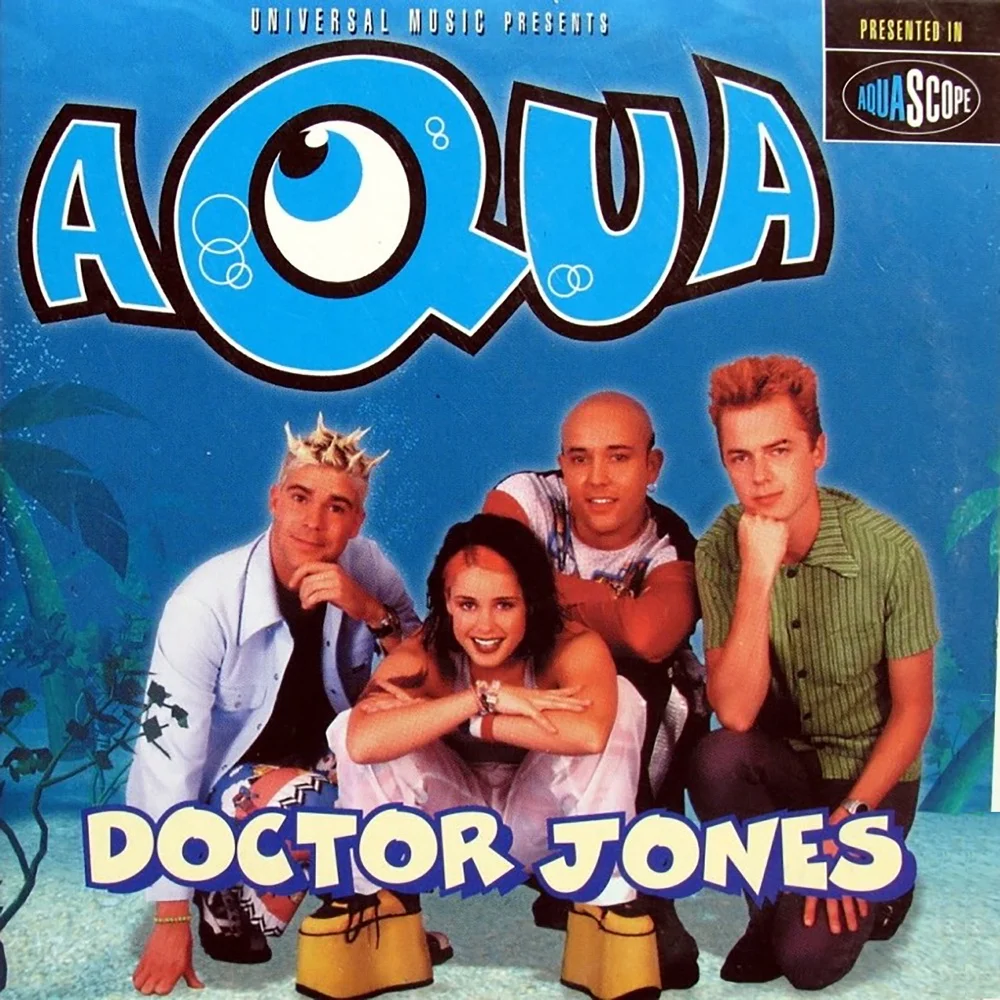
Released in 1997, Doctor Jones by Aqua is a quintessential example of the "Bubblegum Pop" and Eurodance genres. While it may sound simple and fun, singing it correctly requires specific stylistic choices that differ from standard pop or rock vocals. It relies heavily on "character voices"—specifically Lene Nystrøm’s high-pitched, bright tone contrasted with René Dif’s lower, raspy delivery.
To score high on this track, you need to abandon a dark, soulful tone and embrace a brighter, forward placement. Think of it less like singing a ballad and more like voice acting a cartoon character.
Phase 1: The Verses (Storytelling)
The verses ("Sometimes, the feeling is right...") sit in a comfortable mid-range. The challenge here is rhythm and clarity. The lyrics are delivered in a staccato fashion. Don't drag the notes out.
Technique: Keep your consonants crisp. The AI Coach listens for clear articulation on words like "feeling," "music," and "light." If you slur these words, your timing score will drop.
Phase 2: The Chorus (High Energy)
The chorus ("Doctor Jones, Jones, Calling Doctor Jones") is the centerpiece. It requires consistent breath support because the tempo is fast (138 BPM) and there are few places to breathe between lines.
- Resonance: Use "twang" (narrowing the epiglottis) to make your voice cut through the heavy synth bass.
- Pitch: The melody jumps around the C5-D5 area. Keep it light in your head voice or a head-dominant mix. Pushing too much chest voice here will make you flat and tired quickly.
Phase 3: The Bridge & Chant
The iconic "Ay yai yai yai yai" section acts as a rhythmic breakdown. This should be sung with almost zero vibrato. It is a chant, not an aria. Treat it like a percussion instrument.
If you are attempting the male vocal parts ("Wake up now!"), you need to drop your larynx slightly to get that faux-baritone, raspy texture. This contrast is what makes the song dynamic.