 Singing Coach AI
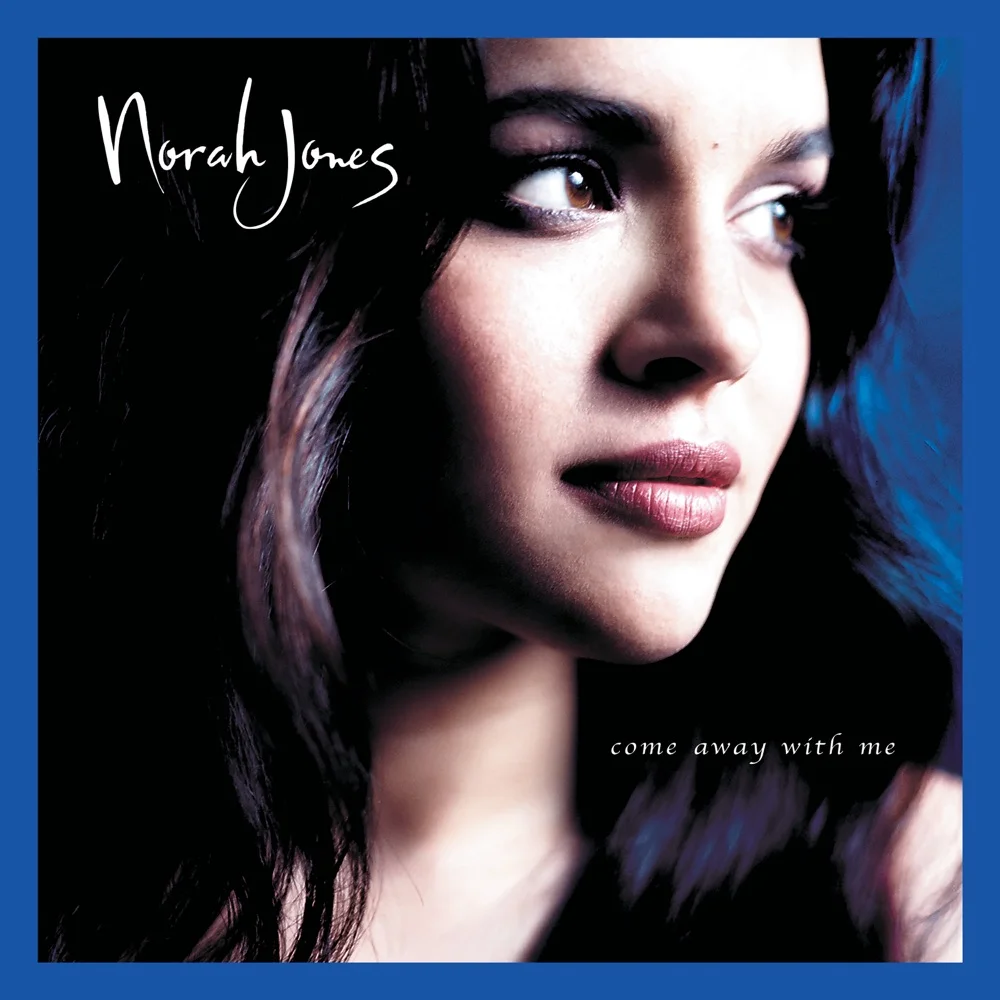
Mastering the Intimate Jazz Style
"Don't Know Why" launched Norah Jones to stardom and swept the Grammys in 2003. Unlike power ballads, this song requires restraint. It’s a study in "less is more." The track relies on a relaxed, behind-the-beat feel that is characteristic of blue-eyed soul and jazz.
To sing this well, you need to abandon the need to "project" to the back of the room. Instead, imagine you are singing into the ear of someone sitting right next to you. Let's break down the vocal texture and intervals.
Phase 1: The Verses (Low & Warm)
The song starts low, around Bb3. For many Sopranos, this can feel weak. To get a rich tone here without pushing, keep your larynx neutral and allow the resonance to sit in your chest. Do not force it.
The Slide: Note how she sings "I waited 'til I saw the sun." She doesn't hit the notes squarely; she slides (glissando) up to them. This creates that lazy, summer-day feeling.
Phase 2: The Chorus Intervals
The line "Don't know why I didn't come" features a larger interval jump. This is the emotional core of the song.
- Volume Control: Do not belt this. It should remain mezzo-piano.
- Placement: Keep the sound forward in the mask of the face, but keep the airflow consistent.
- The Flip: On the highest notes of the ad-libs (Eb5), allow your voice to flip naturally into a light head voice. A heavy chest belt here will ruin the vibe.
Phase 3: Stylistic Nuances
Norah Jones often adds little vocal "turns" or ornaments at the end of phrases. The Singing Coach AI app will visualize these rapid pitch changes. Practice them slowly. Precision is key—if you are sloppy with the runs, it sounds messy rather than soulful.
Also, pay attention to the word "heart" in the bridge. It requires a slightly darker vowel modification (think "haht" rather than a bright "heart") to match the mood.