 Singing Coach AI
Mastering the Dream Pop Sound
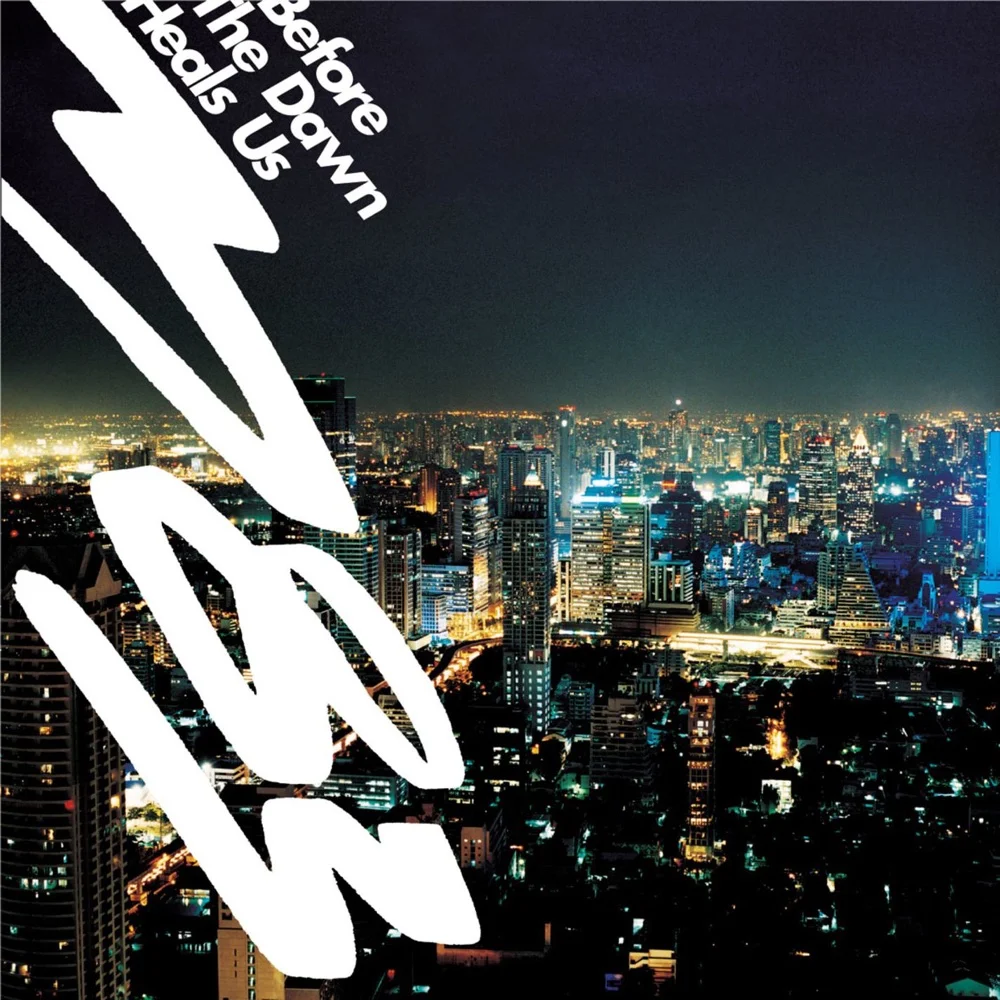
Released as the lead single from M83's breakthrough album Before the Dawn Heals Us, "Don't Save Us from the Flames" is a masterclass in electronic rock dynamics. For vocalists, it presents a unique challenge: blending into the wall of sound while maintaining lyrical clarity.
Anthony Gonzalez's vocal delivery is characteristically airy and often bathed in reverb. However, to score high on Singing Coach AI, you need to focus on the fundamental pitch accuracy before worrying about atmospheric effects. Here is how to tackle the track.
Phase 1: The Verse Build-Up
The song begins with a driving beat and a vocal entry that sits in the mid-tenor range. The line "And we have to go..." requires a soft onset. You don't want a hard glottal attack here.
The Trap: Because the instrumentation is dense, singers often push their chest voice too hard to "compete" with the music. Instead, rely on a forward-placed mixed voice. Think of aiming the sound at your front teeth to cut through the mix without straining.
Phase 2: The Chorus Explosion
The titular line "Don't save us from the flames" lifts the energy significantly. While it sounds powerful, it is not a heavy rock belt. It leans heavily into head voice resonance.
- Vowel Modification: On the word "flames," modify the vowel slightly towards "flems" (a narrower 'eh' sound). This prevents the jaw from opening too wide and destabilizing the larynx.
- Breath Support: The phrases are repetitive and persistent. Ensure you are taking low, diaphragmatic breaths between lines to avoid running out of air.
Phase 3: The Outro Stamina
As the song progresses towards the end, the challenge becomes endurance. The repetitive nature of the vocal hook means you must maintain consistent energy. Focus on locking your rhythm with the snare drum. Being even slightly behind the beat will make the performance feel dragging.
The final "We will burn together" section often drifts into falsetto. Keep this light and floaty, matching the ethereal synth textures.