 Singing Coach AI
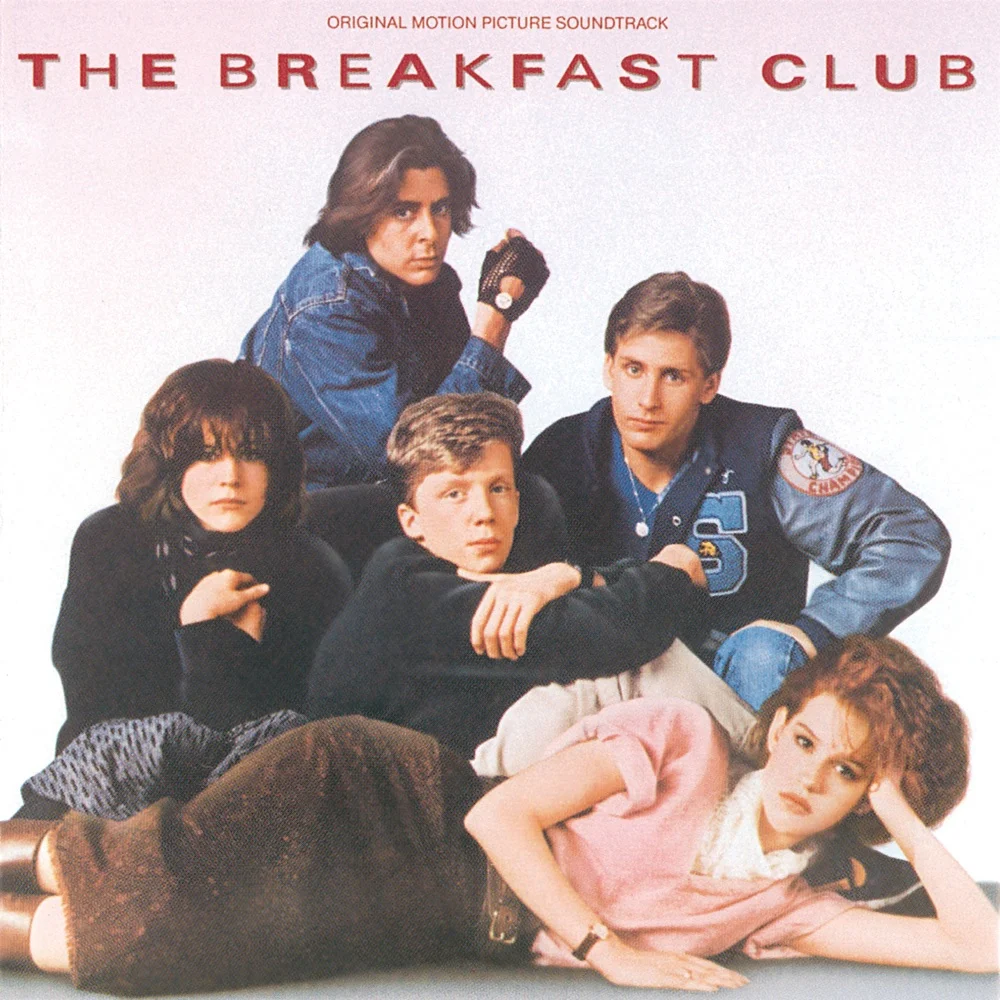
The Anthem of the 80s
Few songs define a decade like Don't You (Forget About Me). Recorded by Simple Minds for The Breakfast Club soundtrack, it made Jim Kerr's voice an instant icon. The track relies heavily on mood, chest resonance, and a gradual build-up of intensity.
Unlike high-flying rock tenor tracks, this song sits comfortably in the Baritone "pocket." The challenge isn't hitting high notes, but maintaining the richness of tone in the lower verses and finding the stamina for the repetitive, powerful outro.
Phase 1: The Intro & Verses (0:00 - 1:15)
The song opens with the famous "Hey, hey, hey, hey!" This needs to be punched from the diaphragm, not the throat. It sets the energy level for the whole track.
The Low End: When the verse starts ("Won't you come see about me?"), you are down in the A2-E3 range. Keep your larynx neutral. If you press your chin down to reach low notes, you'll lose resonance. Smile slightly internally to keep the sound bright even on low pitches.
Phase 2: The Chorus Lift (1:15 - 2:30)
The chorus ("Don't you forget about me") lifts the energy. Here, you are moving into your upper chest voice/mix. The key is the vowel shape on "You."
- Vowel Modification: Don't sing a tight "Eew" sound. Modify it slightly towards "Yoh" or a relaxed "U" to allow more volume without strain.
- Dynamics: The line "I'll be alone, dancing you know it baby" requires a sudden drop in volume followed by a swell. This dynamic contrast creates the emotional "yearning" of the song.
Phase 3: The Outro Ad-libs (3:40 - End)
This is the endurance test. The "La, la-la-la" section repeats for over a minute. Jim Kerr improvises high belts (up to G#4) over the top.
To survive this section, do not push full air pressure on every "La." Use the consonant "L" to bounce the sound forward. If you get tired, drop to the lower harmony line provided in the Singing Coach AI app guide.