 Singing Coach AI
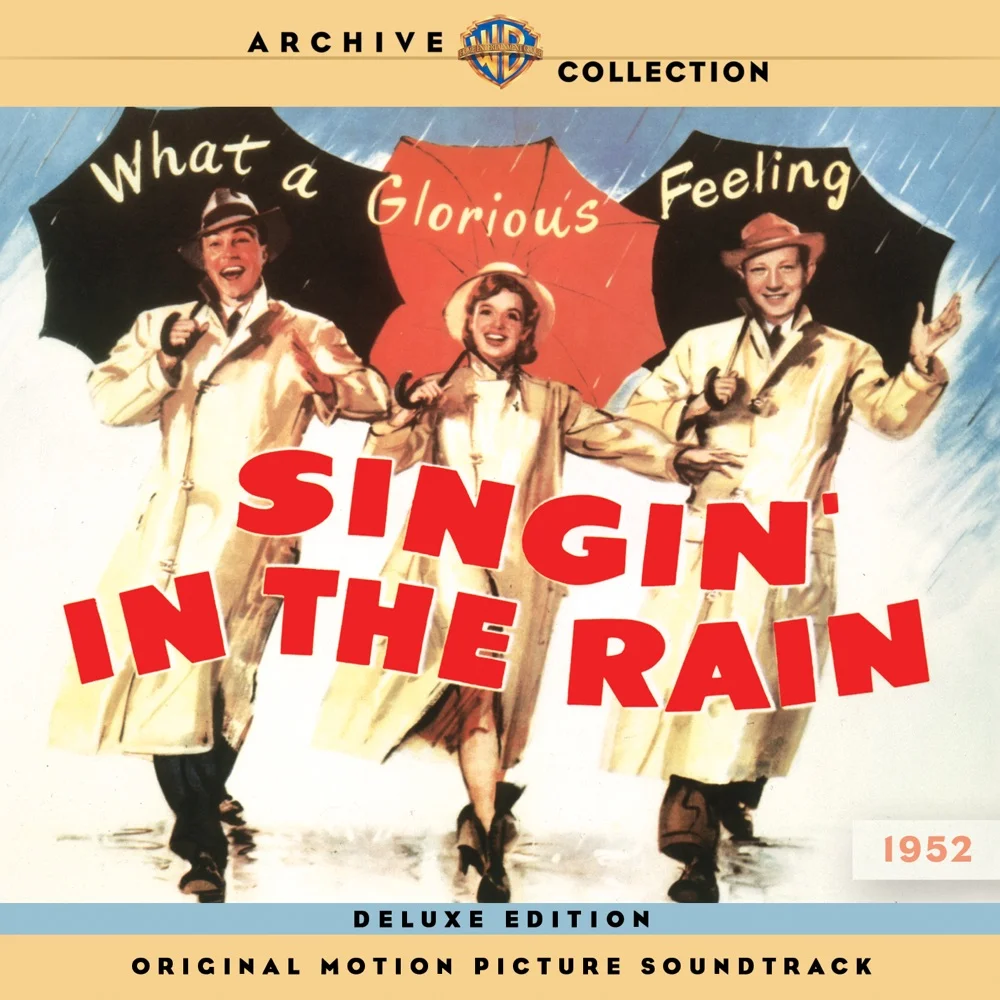
The Golden Age of Crooning
Singing "Dream of You" isn't about power or range; it's about charm. Gene Kelly was a master of the "song-and-dance man" vocal style—effortless, conversational, and always smiling through the tone. This track requires a relaxed baritone quality and impeccable phrasing.
Unlike modern pop, this style relies heavily on legato—smoothly connecting one note to the next without breaks. Imagine the sound is a continuous ribbon of satin. Let's break down the technique.
Phase 1: The Conversational Verse
The song starts in a range that is very close to speaking. The key here is to not "sing" too hard. Treat the lyrics like a script you are reading to a lover.
The Trap: Many singers go too breathy here trying to sound intimate. You still need cord closure. Think of speaking firmly but quietly, rather than whispering.
Phase 2: The Romantic Slide
As the melody moves into the chorus, you'll encounter upward slides (portamento). Kelly uses these to add emotion.
- Vowels: Keep your vowels tall and narrow. An "Ah" should sound more like "Aw" to maintain that warm, vintage sound.
- Phrasing: Don't chop the ends of your sentences. Let the last note of a phrase taper off gently rather than stopping abruptly.
- Vibrato: Use a terminal vibrato—keep the note straight at first, then allow a gentle shimmer at the very end of the sustained notes.
Phase 3: The High Notes (F4)
While an F4 isn't incredibly high, in this style, it must sound effortless. Do not "belt" or shout these notes. Use a "mixed voice"—a blend of chest and head resonance.
Visualize the high notes as if you are tossing a feather into the air. Keep the volume controlled. If you push too much air, the vintage charm disappears and it becomes a rock ballad.