 Singing Coach AI
A Masterclass in Vocal Restraint
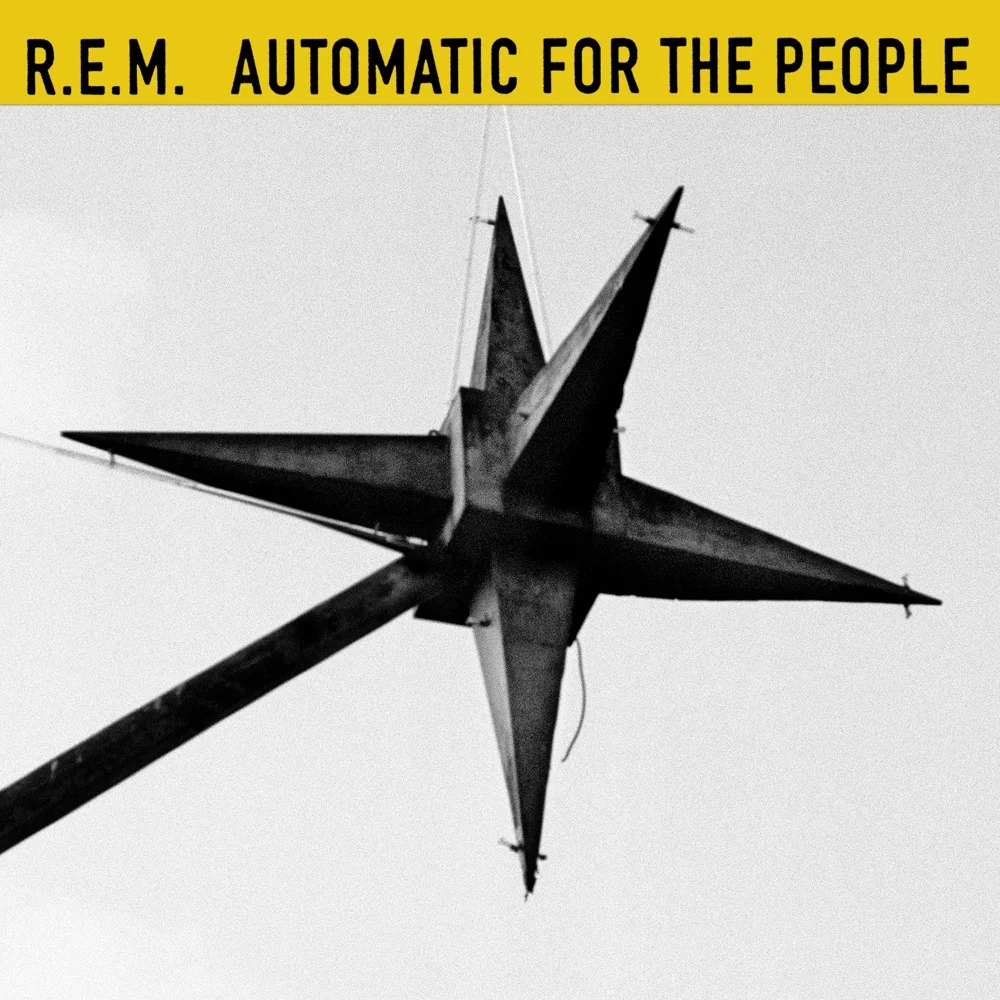
"Drive" is the lead single from R.E.M.'s 1992 masterpiece Automatic for the People. Unlike the high-energy "It's the End of the World as We Know It," this track is defined by its somber, hypnotic atmosphere. It features Michael Stipe singing in a lower register with a distinctive "monotone" quality that slowly builds in intensity.
To sing this well, you must resist the urge to over-act. The power of this song comes from holding back. You need excellent breath control to maintain the steady, rhythmic delivery without sounding bored. Let's break down the vocal strategy.
Phase 1: The Verses (0:00 - 0:52)
The song begins in D minor with an acoustic guitar. The opening line "Smack, crack, bushwhacked" sits low (around A2/B2). This is comfortable for Baritones but requires Tenors to relax their larynx completely.
The Trap: Because the melody is repetitive, singers often lose pitch accuracy. Focus on diction and the rhythmic "tick-tock" feel of the lyrics. Enunciate the consonants clearly to cut through the reverb.
Phase 2: The Chorus (0:52 - 1:30)
The famous line "Hey kids, rock and roll" is not a celebration; it's cynical. The melody lifts slightly here, but stays within a comfortable chest voice range.
- Tone Color: Aim for a "dry" tone. Don't use too much vibrato. Stipe's delivery is almost conversational.
- Nobody tells you where to go: Ensure you hit the D3 cleanly on "go" without sliding down.
- Support: Engage your diaphragm to keep the notes steady, even at low volume.
Phase 3: The Build (2:45 - End)
After the guitar solo, the song builds. The drums kick in harder, and Stipe's vocals become more urgent. You can finally add some chest resonance and volume here, reaching up to the E4.
However, notice that he never fully "belts" or screams. The intensity comes from a tighter vocal cord closure and forward placement, not just pushing more air.