 Singing Coach AI
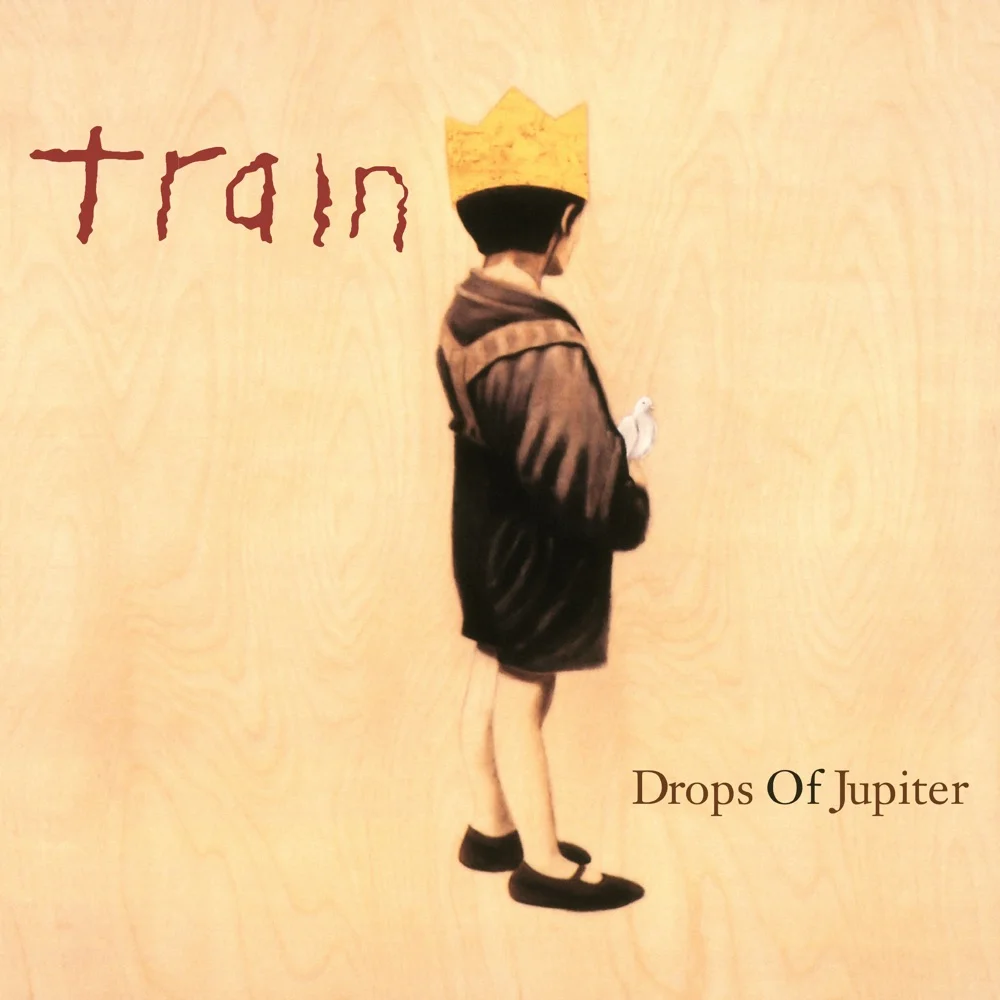
Mastering the Cosmic Ballad
Released in 2001, "Drops of Jupiter (Tell Me)" became an instant classic, earning Train two Grammy Awards. Written by lead singer Patrick Monahan about his late mother, the song combines heartfelt lyrics with a sweeping orchestral rock arrangement. For vocalists, it represents a perfect exercise in dynamic control and storytelling.
The song is primarily in C Major, but utilizes borrowed chords that give it a dreamy, spacey feel. To sing this effectively, you need to master the art of building intensity from the conversational verses to the explosive choruses.
Phase 1: The Verses (Storytelling Mode)
The verses sit comfortably in the mid-range for most singers (C3 to G3). The challenge isn't pitch, but tone. Monahan uses a "breathy chest" texture here.
The Trap: Don't sing the verses too perfectly or operatically. Keep it raw and conversational. Imagine you are talking to a friend. If you push too much air here, you will run out of stamina before the chorus hits.
Phase 2: The Chorus (The Dynamic Leap)
When the line "But tell me..." arrives, the dynamics shift dramatically. The melody jumps up, requiring a strong chest-mix belt. The top notes in the chorus hover around G4 and A4.
- Resonance: Shift your resonance from your mouth (verses) to your mask/nose area (chorus) to help cut through the heavier instrumentation.
- Vowels: Modify vowels on high notes. For "Tell me," think "Tall me" to drop the jaw and create more space in the throat.
Phase 3: The "Na Na Na" Coda
The outro is iconic but tiring. It involves repeated vocalizations that drift between chest voice and falsetto/head voice. This section requires excellent breath support.
Keep your diaphragm engaged. If you relax your support here, your pitch will go flat as vocal fatigue sets in. The ad-libs in the background reach up to F5—feel free to use falsetto for these "whoops" and cries.