 Singing Coach AI
Mastering the Skiffle Blues Style
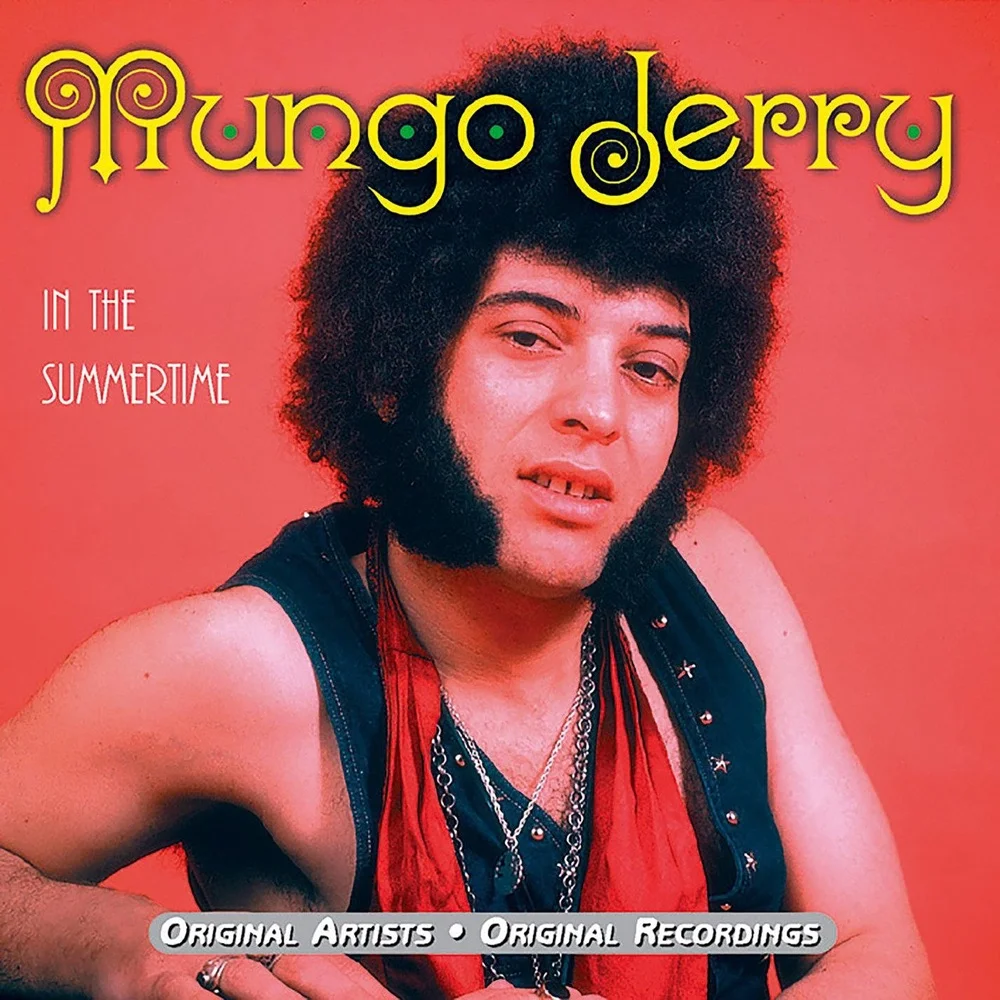
Dust Pneumonia Blues is a classic track that demands rhythm over range. Originally by Woody Guthrie, Mungo Jerry's interpretation infuses it with a foot-stomping, jug-band energy. Unlike pop ballads, this song relies heavily on your ability to tell a story while maintaining a driving, rhythmic pocket.
To sing this well, you need to relax your jaw and focus on the forward placement of your voice. The charm lies in the "imperfections"—the grit, the slides, and the conversational tone. Let's break down exactly how to tackle it.
Phase 1: The Groove (Verses)
The song sits comfortably in E Major. The challenge isn't hitting high notes, but locking in with the upbeat tempo. You are essentially acting as a percussion instrument.
The Trap: Many singers drag behind the beat when trying to articulate every single word perfectly. It's better to soften your consonants slightly to keep the momentum going rather than sounding too "proper."
Phase 2: The Blues Attitude
Ray Dorset (Mungo Jerry) uses a distinctive vocal texture. It's not a clean musical theater sound; it's earthy.
- The "Twang": Use a slightly nasal placement (think of a country singer) to help your voice cut through the mix.
- The Growl: On emphasized words like "Dust" or "Blues," engage your false vocal cords slightly to add grit. Don't push from your throat; push from your diaphragm.
- Slides: Slide up to pitch on the start of phrases rather than hitting them dead-on immediately. This creates that authentic blues feel.
Phase 3: Endurance
Because the song is repetitive in structure, you need to vary your dynamics to keep it interesting. Start the first verse at a medium volume, and build intensity as the story of the dust bowl gets more desperate. By the final verse, you should be using your full chest resonance.