 Singing Coach AI
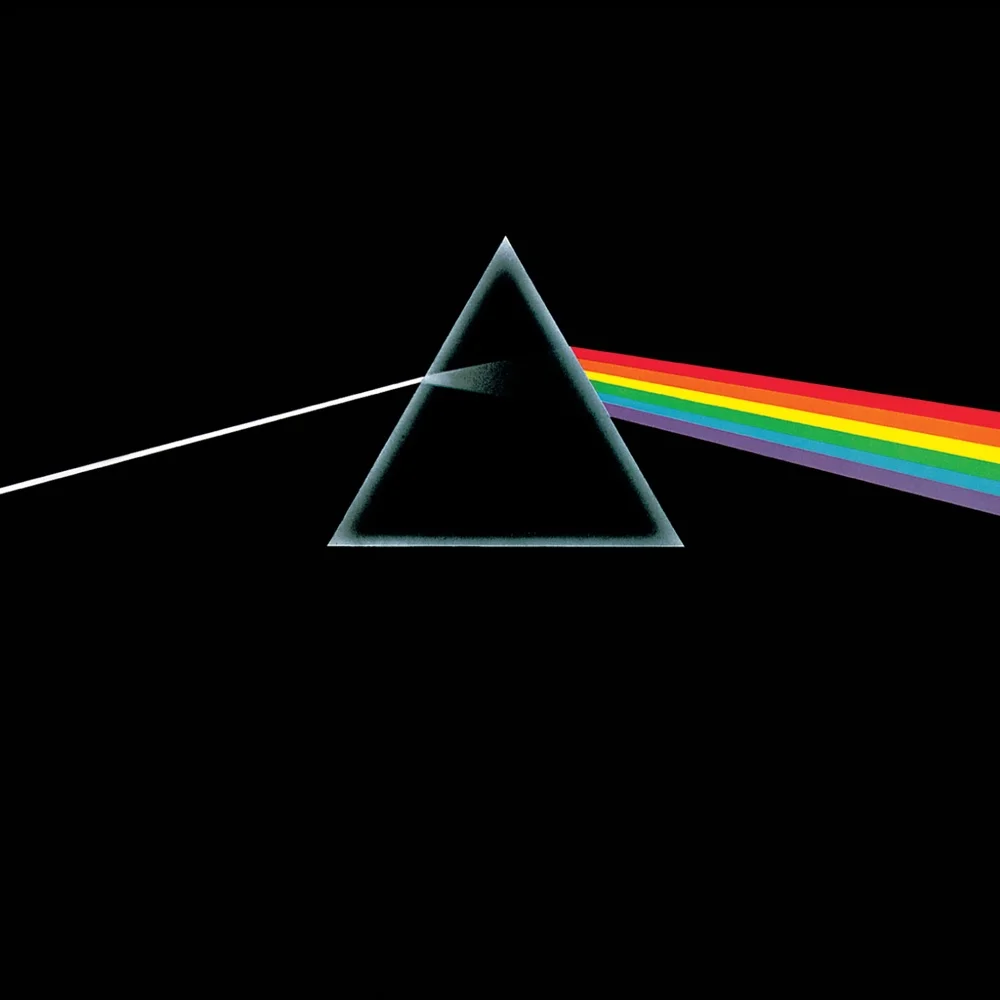
The Grand Finale of "Dark Side of the Moon"
Eclipse is the powerful, crescendo-building conclusion to Pink Floyd's 1973 masterpiece. While short, the song presents a unique challenge: it is essentially a list set to music. The lyrics begin with "All that you touch, and all that you see," repeating the "All that you..." motif continuously.
To sing this well, you cannot be monotonous. You must master the art of the dynamic build. You start small, grounded, and observant, and end with a cosmic, powerful proclamation. Here is how to tackle it.
Phase 1: The Hypnotic Pulse (0:00 - 0:45)
The song begins in D Major with a steady 3/4 pulse. Your entry should be mezzo-piano (medium soft). The focus here is on rhythm and diction.
The Trap: Because the lyrics are repetitive ("All that you love, all that you hate"), it's easy to sound bored. Engage with the consonants. Make the "t" in "touch" and the "s" in "see" crisp. This percussive singing helps drive the song forward.
Phase 2: The Ascent (0:45 - 1:30)
As the backing vocals (originally Doris Troy, Lesley Duncan, and others) begin to swell, you must increase your volume. You aren't shouting yet, but you should move from a speaking voice into a more resonant chest voice.
- Tone Color: Shift from a conversational tone to a more urgent delivery.
- Support: Engage your diaphragm more aggressively here. The lines are coming faster.
Phase 3: The Climax (1:30 - End)
The song reaches its peak intensity on the line "And everything under the sun is in tune." This requires a full chest belt. You need to match the energy of the Hammond organ and the drums.
The final line, "But the sun is eclipsed by the moon," should be delivered with finality. Roger Waters drops the volume slightly here for dramatic effect, letting the music wash over the listener.