 Singing Coach AI
The Ultimate Whistle Register Challenge
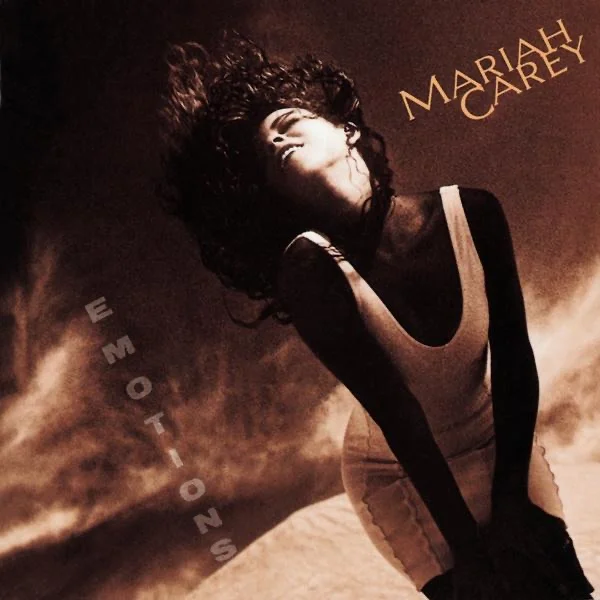
Released in 1991, "Emotions" is widely considered one of the most difficult pop vocal performances of all time. Mariah Carey showcases an astounding range, spanning over four octaves from a low C3 to a piercing G#7 in the whistle register.
This track combines a groovy disco bassline with gospel-influenced ad-libs. To sing it well, you need extreme agility (melisma), solid low notes, and flawless upper register control. Let's break down exactly how to tackle this vocal giant.
Phase 1: The Verses & Groove
The song starts in a lower, chest-dominant register. The verses ("You've got me feeling emotions...") require a rhythmic, percussive approach. Don't be afraid to lean into your lower range here (C3-G4) to create contrast with the highs that come later.
The Trap: Singers often rush the tempo here. The AI Coach monitors your rhythmic precision to ensure you stay "in the pocket" of the disco beat.
Phase 2: The Belting Chorus
The energy lifts in the chorus. You need to switch to a bright, forward mix. The melody sits comfortably for sopranos but can be tiring for others due to the repetitive nature of the lines.
- Resonance: Aim the sound towards your "mask" (nose and cheekbones) to get that classic 90s R&B brightness.
- Agility: The runs at the end of phrases must be distinct. Don't slide between notes; hit each pitch cleanly.
Phase 3: The Whistle Register (3:40 - End)
This is the moment of truth. The song culminates in a series of whistle notes, peaking at G#7. This register requires the vocal cords to be "zipped" up, leaving only a tiny portion vibrating.
If you cannot hit the whistle register, do not force it—you risk vocal damage. Instead, use a light head voice or transpose the song down using the Singing Coach AI app. If you *can* whistle, focus on placement above the soft palate.