 Singing Coach AI
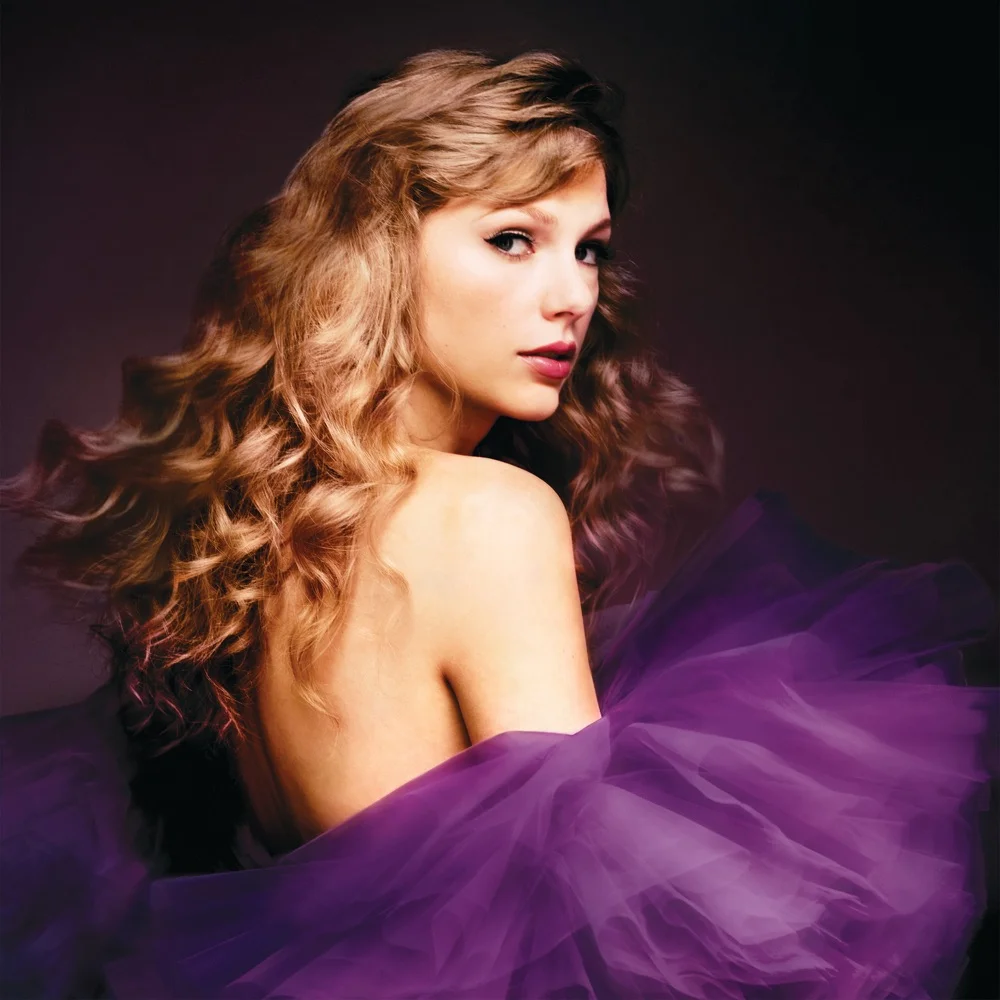
Mastering the Power Ballad
Enchanted is one of Taylor Swift's most beloved tracks from the Speak Now era. It is a masterclass in dynamic storytelling, starting with a whisper and ending with a stadium-filling anthem. The song follows a classic build-up structure, meaning you cannot give 100% of your energy in the first verse.
To sing this well, you need to channel a conversational tone that evolves into a powerful mix-belt. It's not just about hitting the notes; it's about conveying the feeling of being "wonderstruck" while maintaining vocal stamina for nearly six minutes.
Phase 1: The Verses (0:00 - 1:05)
The song begins in Ab major. The verses sit comfortably in the lower register (G#3 range). The goal here is clarity and diction. Taylor articulates consonants very clearly ("Forcing laughter, faking smiles").
The Trap: Because the pitch is low and comfortable, singers often get lazy with their support. Ensure you are still supporting the sound from your diaphragm to avoid a "fry" or gravelly sound, unless intentional.
Phase 2: The Chorus (1:05 - 1:47)
The melody lifts here. On the word "Wonderstruck," you need to drop your jaw and create more vertical space in your mouth. This allows the vowel to resonate more fully.
- Vowel Shaping: Don't spread your mouth wide on the "E" sounds (like in "meeting"). Modify them slightly towards "Eh" to keep the throat open.
- Resonance: Shift from the chest-heavy sound of the verse to a brighter mask resonance.
Phase 3: The Bridge (3:26 - 4:45)
This is the emotional peak of the song. The line "Please don't be in love with someone else" requires a confident mix-voice belt. You will need to hit a sustained C#5.
To achieve this power without straining, think of calling out to someone across the street. Use "twang" (a slight nasal quality) to help the sound cut through the instrumentation without pushing your larynx up.