 Singing Coach AI
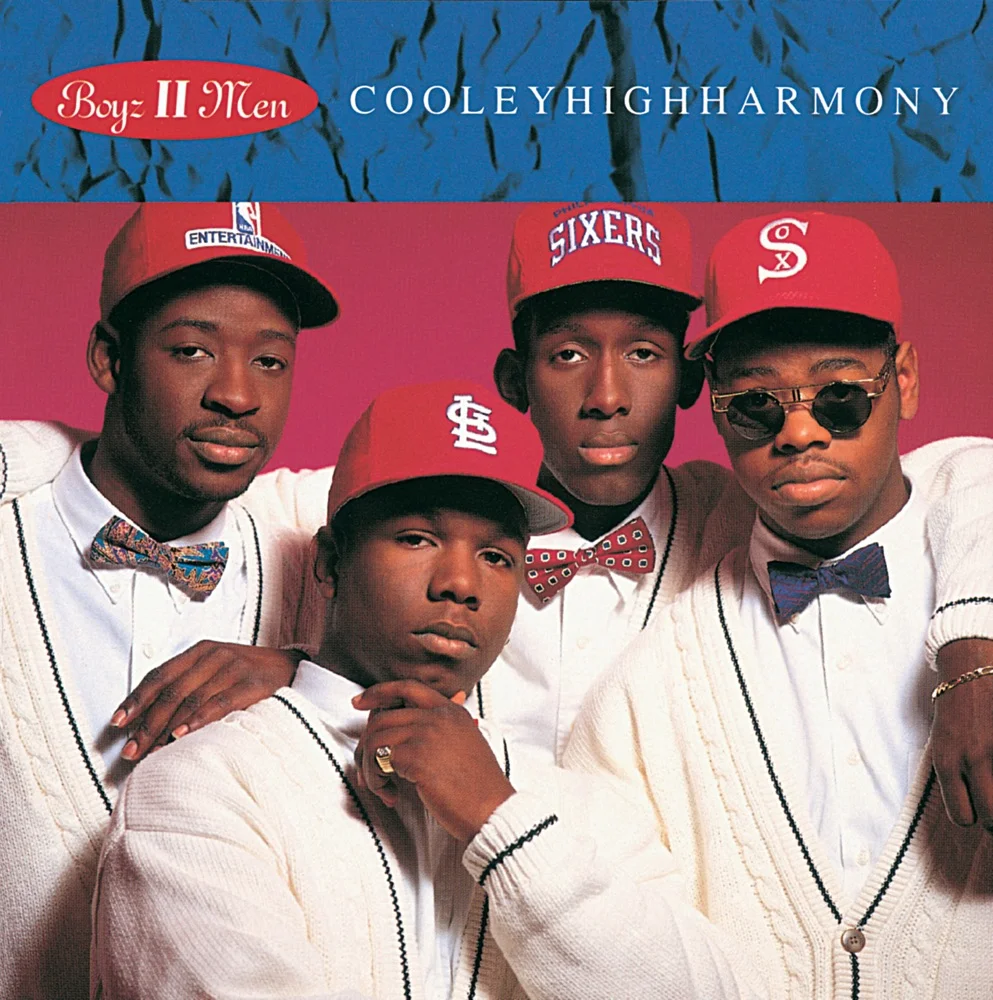
The "Mount Everest" of 90s R&B
"End of the Road" is the quintessential vocal group masterpiece. Written by Babyface, L.A. Reid, and Daryl Simmons for the Boomerang soundtrack, it dominated the charts in 1992. The challenge lies not just in the lead vocals, but in the tight harmonies, the famous spoken word bridge, and the desperate, emotionally charged runs at the climax.
To sing this well, you need versatility. You must be able to switch from the smooth, controlled delivery of the verses to the raw, belted power required in the final chorus. Let's break down exactly how to tackle it.
Phase 1: The Smooth Verses (0:00 - 1:47)
The song begins in Eb major. The opening verses are shared between Nathan Morris and Shawn Stockman. The key here is "breath control." You want a warm, slightly airy tone that feels intimate.
The Trap: Don't sing too loudly too soon. The emotional arc of the song requires you to start soft (piano) so you have somewhere to go when the key modulates and the drums kick in harder later on.
Phase 2: The Spoken Bridge (2:55 - 3:35)
Michael McCary's bass breakdown is iconic. Even if you aren't a natural bass, you can improve your resonance here. Drop your jaw, keep your tongue flat, and speak from your chest/diaphragm, not your nose.
- Resonance: Aim for a "rumble" in your chest.
- Pacing: Do not rush the spoken words. Take your time. "Girl, I'm here for you..." needs to sound sincere, not rehearsed.
Phase 3: The Climax & Belts (3:35 - End)
The song modulates up to E Major. This is where Wanya Morris takes over with high-energy ad-libs. The background vocals repeat the chorus while the lead singer improvises over the top.
To hit the high B4s and sustain the power without strain, use "cry mode" or a whine in your voice (similar to the sound of a whimper). This tilts the thyroid cartilage and thins the vocal cords, allowing you to access high notes with chest-like power but without the tension.