 Singing Coach AI
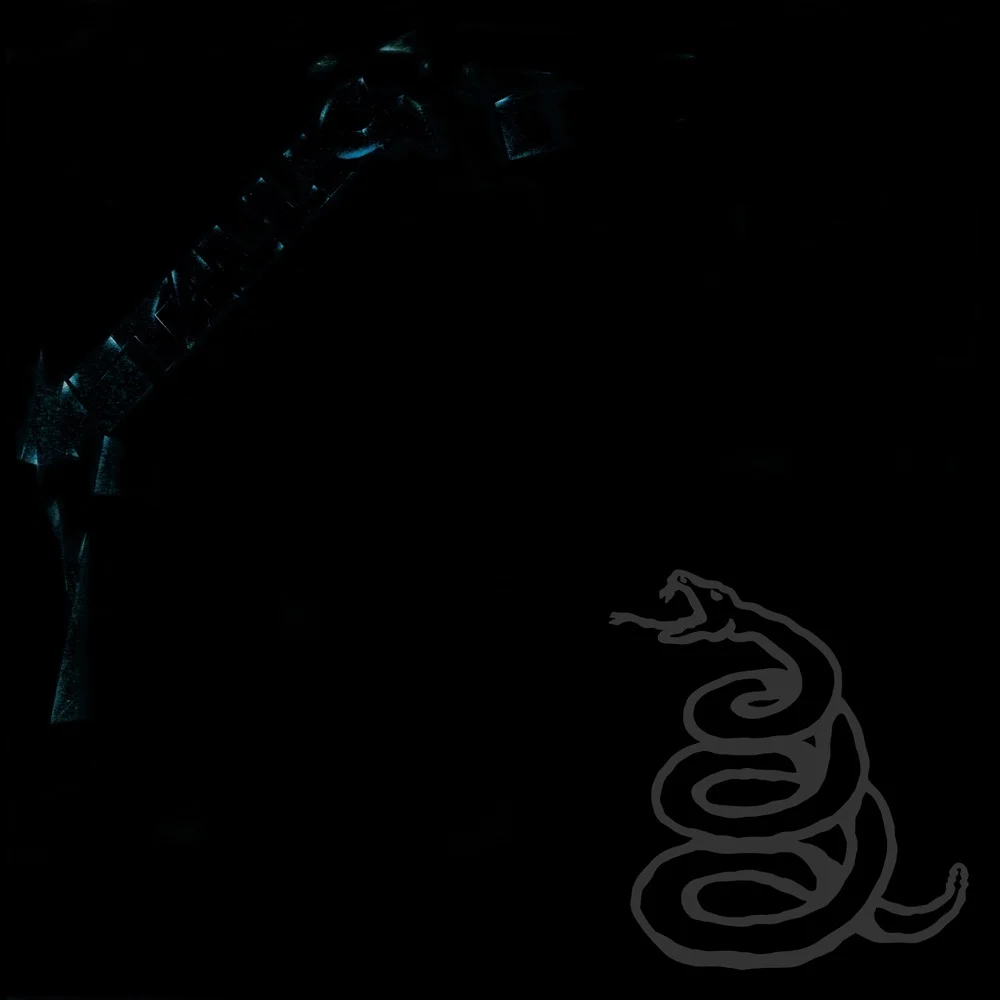
The Nightmare Anthem of Rock
Enter Sandman is the track that catapulted Metallica into mainstream superstardom. Released in 1991 on the "Black Album," it features one of the most recognizable guitar riffs in history. For vocalists, it is a masterclass in James Hetfield's signature aggressive style.
The song structure is deceptively simple compared to their earlier thrash metal work, but the vocal delivery requires immense power and attitude. You must balance the ominous, lower-register storytelling with explosive, gritty choruses.
Phase 1: The Verses (0:56 - 1:44)
The verse begins with "Say your prayers, little one." The key here is rhythm. Hetfield sings slightly behind the beat, creating a heavy, dragging feel. The pitch sits low in the chest voice (E3 range).
The Trap: Many singers lose energy here. Keep the diction sharp and percussive ("Sleep with one eye o-pen"). The "o" sounds should be darkened to match the ominous mood of the track.
Phase 2: The Chorus (1:44 - 2:20)
This is the release of tension. "Exit: light! Enter: night!" jumps up to the G4. This isn't a clean pop belt; it needs texture. You should aim for a "yell-like" quality, keeping the mouth shape tall and open.
- Projection: Imagine you are shouting to a stadium crowd. Support from your diaphragm is non-negotiable here.
- Vowels: Modify "Light" to sound more like "Loight" and "Night" like "Noight." This vowel modification protects the voice at higher volumes.
Phase 3: The Bridge Prayer (3:26 - 4:03)
Following the guitar solo, the song drops into a breakdown featuring the "Now I lay me down to sleep" prayer. This is a duet between a child's voice and Hetfield's spoken word.
The goal here is atmosphere. Don't sing it; speak it with a menacing, theatrical tone. The AI Coach will measure your timing against the snare hits rather than pitch accuracy during this section.