 Singing Coach AI
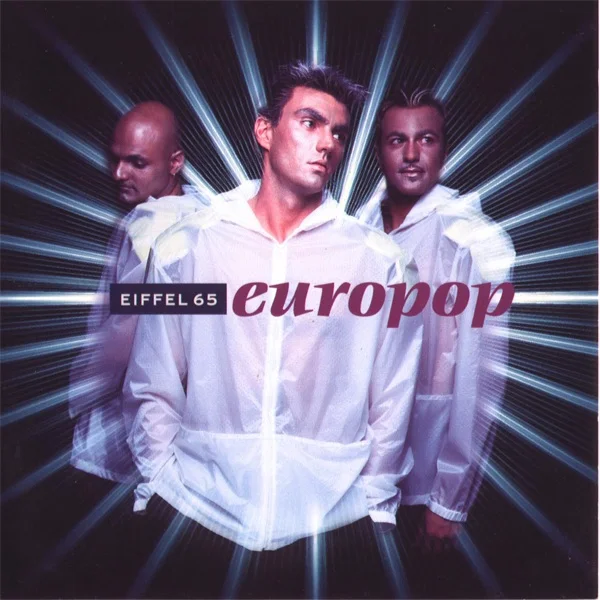
The Anthem of a Generation
While "Blue (Da Ba Dee)" took the world by storm, the title track "Europop" from Eiffel 65's 1999 album defines the genre itself. It is a high-energy, electronic tribute to the dance music culture that dominated the late 90s. Unlike rock or pop ballads, singing "Europop" requires a different skillset: rhythmic precision, stamina, and the ability to mimic synthesized vocal textures.
Lead singer Jeffrey Jey uses a distinct style that blends singing with rhythmic speaking. The range isn't wide, but the margin for error on timing is incredibly small. Let's break down how to get that perfect "robotic" flow.
Phase 1: The Verse Delivery
The verses in "Europop" are almost conversational but locked into a strict 4/4 grid. The key here is diction. The synthesizers are thick and heavy, so your consonants need to be sharp to cut through the mix.
The Technique: Avoid excessive vibrato. The "Eurodance" vocal style is characteristically straight and flat. Think of your voice as another synthesizer instrument. Keep the tone forward in the mask (nasal area) to match the bright production.
Phase 2: The Repetitive Hook
The lyrics celebrate the genre ("Europop... we love to dance"). This section relies on energy rather than melodic complexity. The notes usually hover around G3 and Bb3.
- Breath Support: The phrases are repetitive and leave little room for gasping. Practice "sip breathing"—taking tiny, quick inhales through the mouth between lines.
- Pitch Stability: Because the melody is simple, going flat is very noticeable. Lock your pitch in early and hold it steady.
Phase 3: Stamina & Groove
The extended version of this track runs over 5 minutes. The challenge is maintaining the same high energy level from start to finish without sounding fatigued. Engage your diaphragm for the accented beats to create that "bouncy" feel that matches the bassline.
Don't try to add soul or blues runs to this track—it will clash with the quantized nature of the backing track. Keep it mechanical, cool, and precise.