 Singing Coach AI
A Masterclass in Breath Control
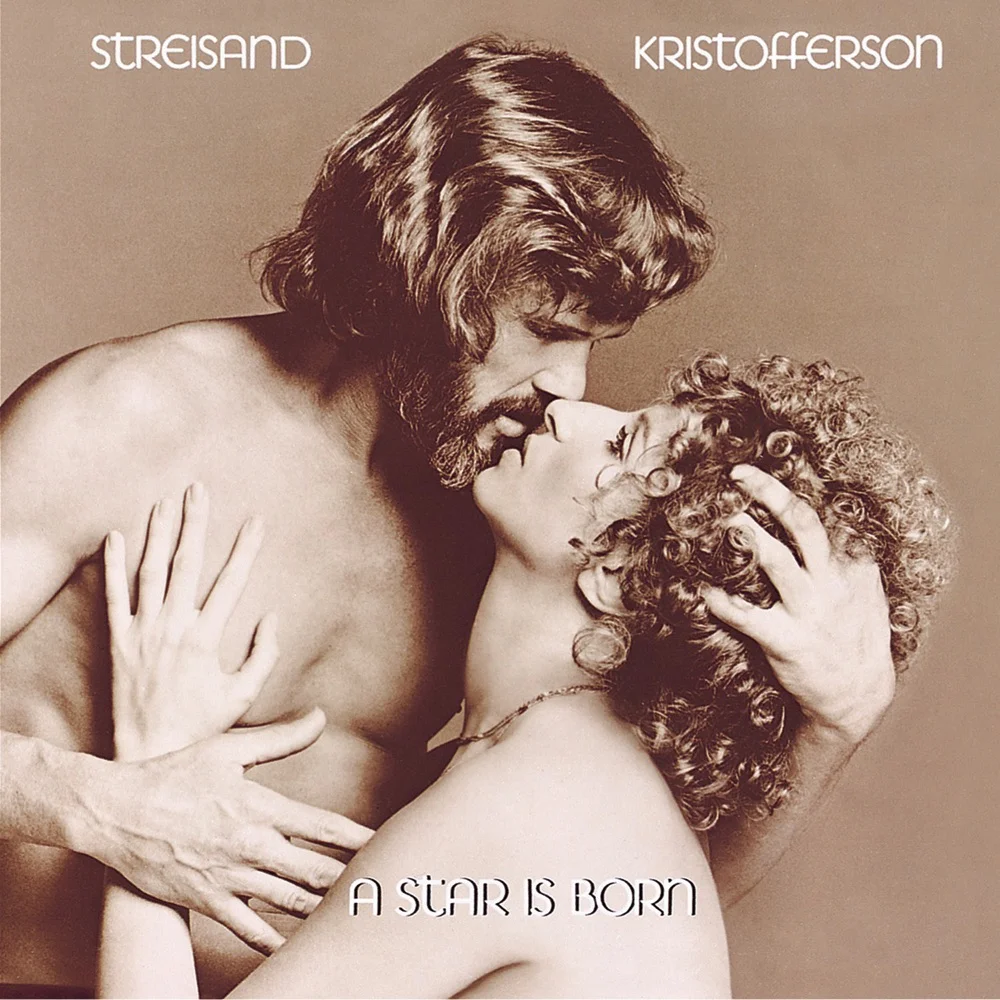
Composed by Barbra Streisand herself for the 1976 film A Star Is Born, "Evergreen" is a definitive ballad that demands technical perfection. Unlike power ballads that rely on sheer volume, this song relies on intimacy, warmth, and the ability to sustain long phrases without breaking the melodic line.
To sing this well, you must master "legato"—smooth, connected singing. The challenge lies in the dynamic shift from the whisper-quiet opening verses to the powerful, resonant climax. Let's break down the technique.
Phase 1: The Intimate Verse (0:00 - 1:15)
The song begins low, hovering around G3 and A3. "Love, soft as an easy chair..." requires a relaxed larynx. Many singers push their chin down to hit low notes, which muffles the tone. Keep your head level and feel the vibration in your chest.
The Trap: Running out of air. The phrases are long and slow. Take a deep, low diaphragmatic breath before each line, and pace your exhalation so you don't collapse at the end of the phrase.
Phase 2: The Emotional Build (1:15 - 2:10)
As the song progresses into the bridge ("You and I..."), the pitch rises. You need to transition from that chesty warmth into a "mixed voice." If you carry too much weight up here, you will sound shouty. If you switch to pure head voice, you lose the emotional intensity.
- Consonants: Soften your consonants. Hard T's and K's will break the legato flow.
- Dynamics: This section is a crescendo. Start mezzo-piano and gradually build to mezzo-forte.
Phase 3: The Climax (2:10 - End)
The finale, "Spirit rise upon the breeze," contains the money notes. The melody soars to a D5. This belt needs to be open and free. Barbra uses a "cry" vocal quality here—a slight tilt of the thyroid cartilage that thins the vocal folds while maintaining power.
Hold the final notes steady before applying vibrato at the very end. This "straight tone to vibrato" technique adds a polished, professional finish to the performance.