 Singing Coach AI
The Ultimate Emotional Ballad
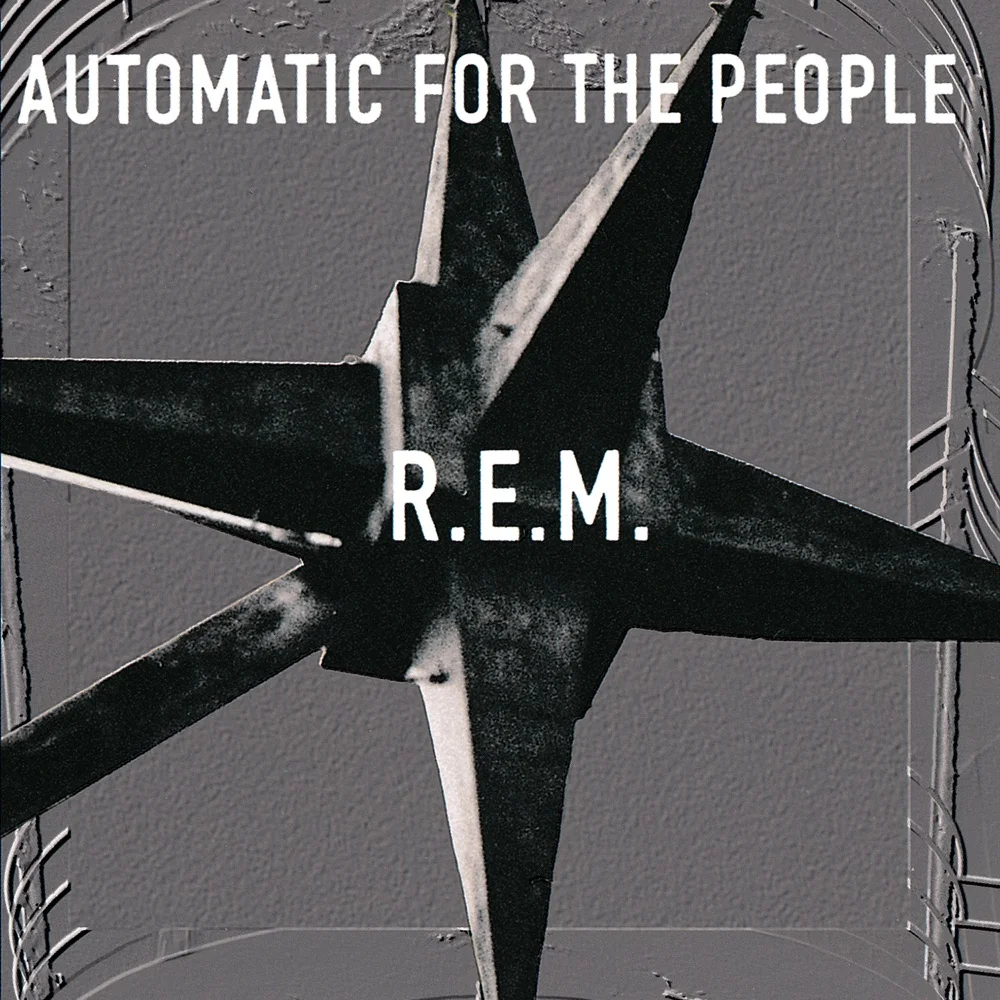
Released on R.E.M.'s 1992 masterpiece Automatic for the People, "Everybody Hurts" is deceptively simple. While it doesn't feature the acrobatic runs of modern pop or the operatic range of Queen, it demands absolute sincerity and tonal control. It was written primarily by drummer Bill Berry and features a 6/8 time signature that gives it that swaying, comforting feel.
Michael Stipe’s vocal performance is iconic because it moves from a mumbled, intimate low register in the verses to a soaring, desperate plea in the bridge. To sing this well, you must master your lower chest voice and your bridge transition.
Phase 1: The Verses (Low Control)
The song begins in D Major. The opening verses sit quite low (down to A2). For many singers, the temptation is to use "vocal fry" or let the voice drop back in the throat.
The Fix: Keep the sound forward in the mask of your face even on the low notes. You want a warm, resonant chest voice, not a croak. Enunciate clearly, as Stipe’s delivery is conversational and direct.
Phase 2: The Chorus (Dynamics)
When the chorus hits ("Well, everybody hurts..."), don't jump to 100% volume yet. This song is a slow build. Increase your volume slightly, but keep the tone smooth (legato). The melody lifts, requiring a lighter chest mix.
Phase 3: The Bridge (The Peak)
The emotional climax occurs at the bridge ("Don't throw your hand..."). The instrumentation builds, and the vocals must match it. You will need to ascend to F#4 and eventually G4.
- Resonance: Drop your jaw to create more space in your mouth. This helps amplify the sound without straining the vocal cords.
- Support: Engage your core muscles. If you squeeze your throat to hit the high notes, you will sound pinched.
- The Ad-libs: Towards the end, Stipe wails "You are not alone." These notes can reach up to A4. Feel free to use a heady mix here if full chest voice feels too heavy.