 Singing Coach AI
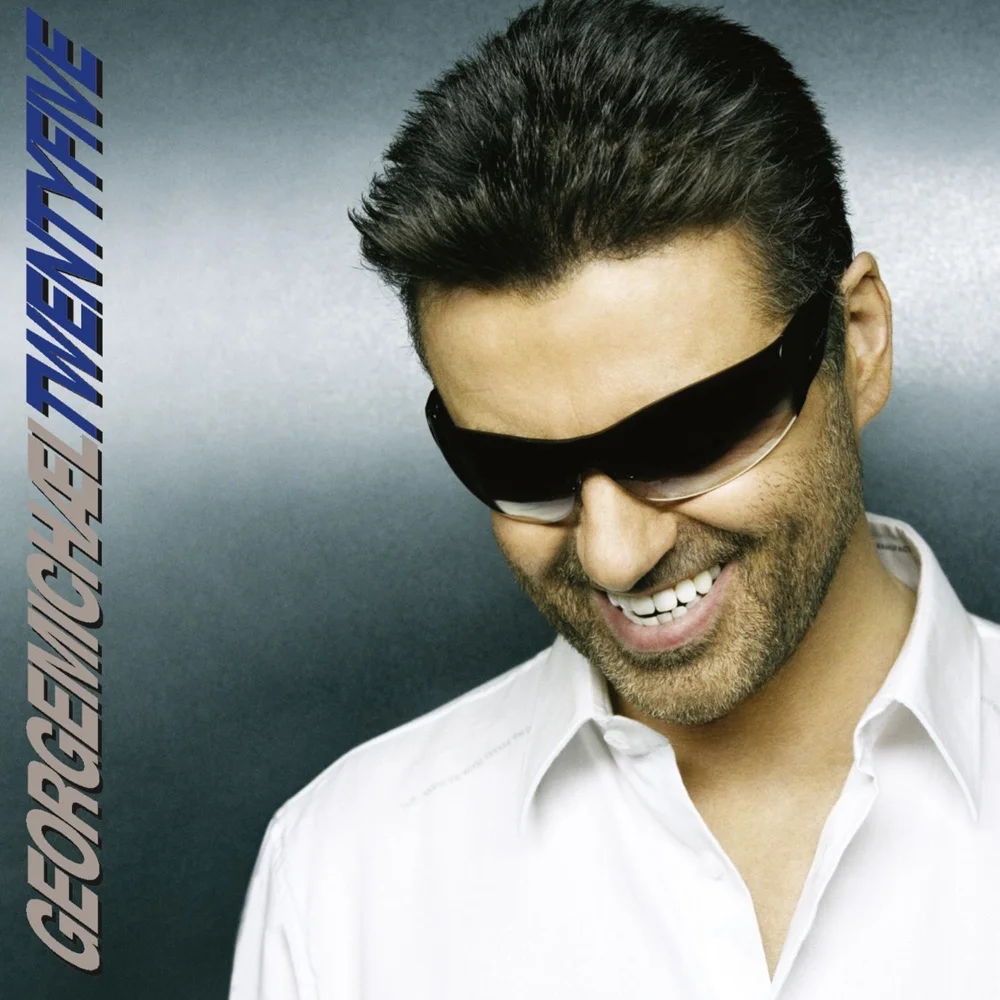
Mastering the Art of Seductive Vocals
"Father Figure" is a masterclass in dynamic control. Released on the legendary Faith album in 1987, this song relies heavily on the singer's ability to switch between a whispery, intimate tone and a full-bodied gospel-style belt. Unlike standard pop songs, the groove is laid back, meaning your vocal phrasing must sit perfectly "in the pocket" of the beat.
The difficulty here isn't range—it's texture. George Michael uses a lot of air in his voice during the verses, which drains breath support quickly. Let's break down how to handle it.
Phase 1: The Verse (Intimacy)
The verses sit in a lower register (around F#2 to C#3). This is very comfortable for Baritones. The key is to treat the microphone like a confidant.
The Trap: Because the notes are low, singers often drop their jaw too much or lose pitch accuracy. Keep your vowels narrow and your volume at a 3/10. Focus on the storytelling.
Phase 2: The Chorus (Warmth)
When the line "I will be your father figure" drops, the vocal placement changes. You need to move from the breathy tone to a cleaner, warmer chest voice. The melody lifts, and you should aim for a "smiling" internal mouth shape to brighten the sound slightly.
- Put your tiny hand in mine: Requires smooth legato (connected notes). Do not chop the words.
- Preacher / Teacher: Use clear diction here. The rhythm is syncopated, so precision is key.
Phase 3: The Bridge & Belt (Intensity)
The energy spikes at the bridge ("I have had enough of crime..."). Here, George pushes into his upper mid-range (G#4). This needs to be a confident belt.
To achieve this, engage your core support. The breathy texture of the verse must disappear completely here, replaced by solid, forward-placed resonance. If you keep the airiness from the verse, you will crack on the high notes.