 Singing Coach AI
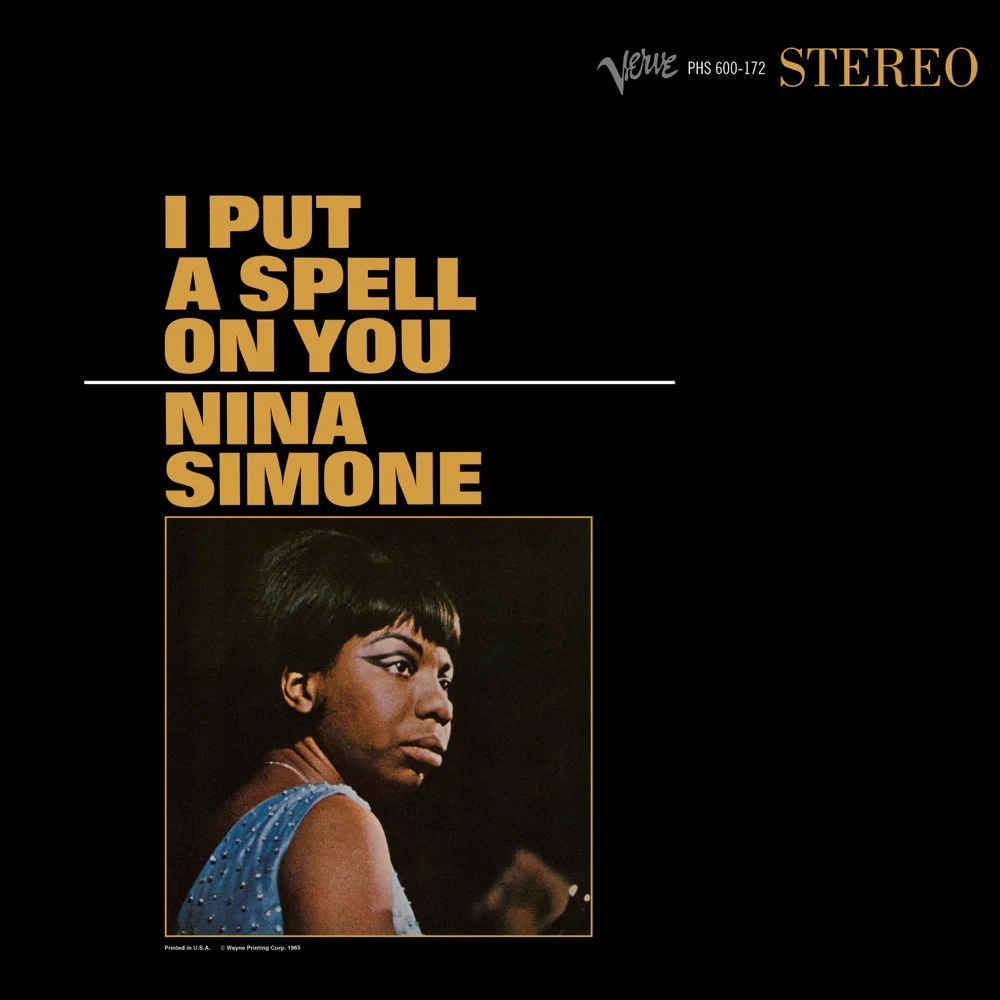
The Ultimate Jazz Anthem
"Feeling Good" is a masterclass in vocal attitude. Originally written for the musical *The Roar of the Greasepaint – The Smell of the Crowd*, it was transformed by Nina Simone into a standard of liberation and joy. The song demands a rich chest voice and the ability to hold back power until the perfect moment.
To sing this well, you need to be comfortable in your lower register. Nina’s version is iconic because of its slow build—starting with a stark a cappella intro and ending with a full big-band explosion. Here is how to navigate the vocal map.
Phase 1: The A Cappella Intro (0:00 - 0:45)
The song begins with "Birds flying high, you know how I feel." This section is typically sung *rubato* (free tempo). There is no drum beat to guide you. You must rely on your internal clock.
The Trap: Making it sound too mechanical. Aim for a conversational tone. Keep the volume mezzo-piano (medium soft) but maintain a focused, forward tone so the pitch doesn't sag.
Phase 2: The Groove (0:46 - 2:00)
The bassline drops, and the brass kicks in. Now you must lock into the rhythm. The vocal delivery should become punchier. On lines like "Dragonfly out in the sun," emphasize the consonants to cut through the heavy instrumentation.
- Resonance: Keep the sound in your chest. If you switch to head voice too early, you lose the "soul" quality of the track.
- Vibrato: Use terminal vibrato—hold the note straight, then add vibrato at the very end of the phrase for style.
Phase 3: The Climax (2:00 - End)
The final section is pure power. The line "Freedom is mine" is often improvised or belted. Nina Simone uses a mix of shouting (controlled vocal distortion) and singing to convey raw emotion.
The final "I'm feeling good" usually involves a vocal run or a scat. Ensure your diaphragm is fully engaged to support these long, sustained notes (up to D5) without straining your throat.