 Singing Coach AI
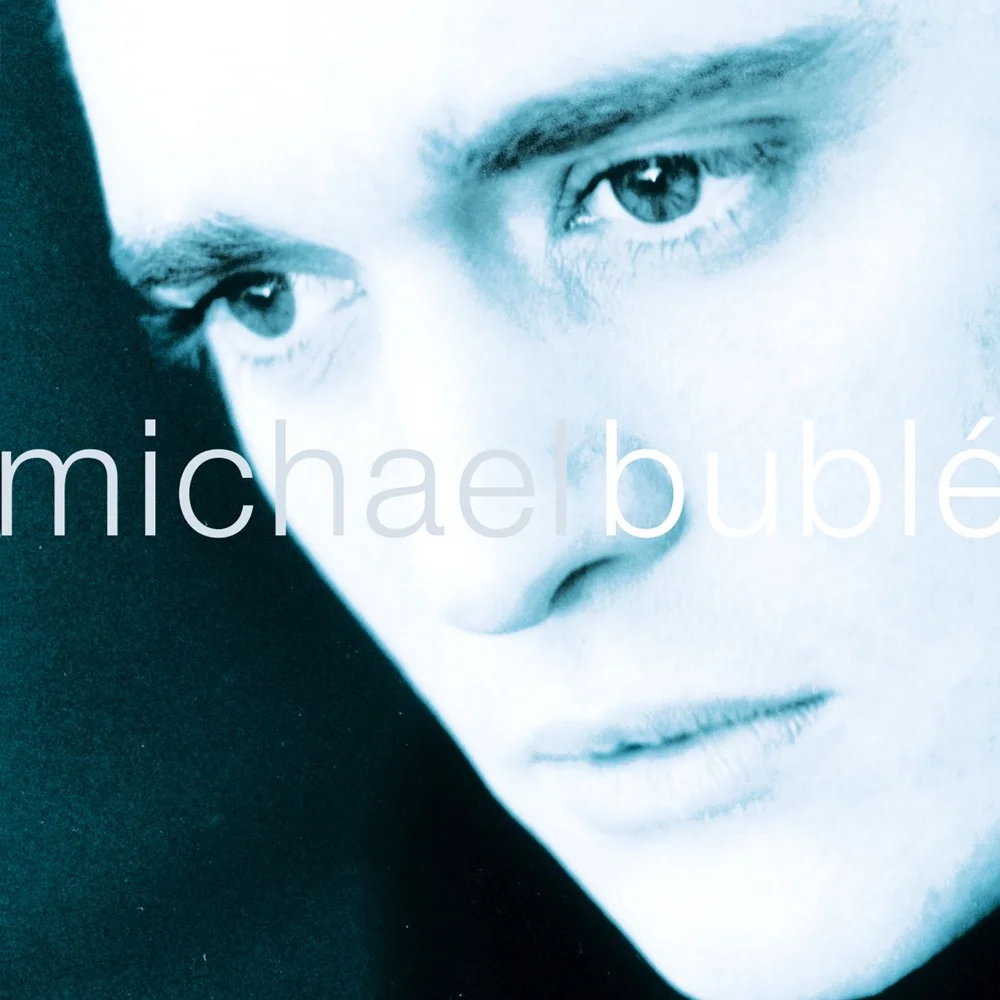
The Art of the Cool
"Fever" is a masterclass in minimalism. While originally made famous by Peggy Lee, Michael Bublé's 2003 rendition brings a modern big band energy to the classic. The instrumentation is sparse, relying heavily on the upright bass and finger snaps, leaving your vocals completely exposed.
To sing this well, you need more than just pitch accuracy; you need attitude. The secret lies in the contrast between the intimate, whisper-quiet verses and the brass-heavy explosions in the finale. Let's break down the technique.
Phase 1: The Setup (0:00 - 1:45)
The song begins in A Minor. Bublé starts very low in his chest register (around E2/F2). You want a tone that is warm and slightly breathy, almost as if you are sharing a secret.
Technique: Keep your volume at a mezzo-piano. Focus on clear diction, particularly on the "t" and "k" sounds, to cut through the bass. Do not push for power yet.
Phase 2: The Modulations (1:45 - 2:50)
One of the trickiest aspects of "Fever" is the constant key changes. The song modulates up a half-step multiple times to build tension. If you don't have a good ear for intervals, you will drift flat here.
- The Shift: Be prepared for the music to drop out or shift abruptly. Trust your internal pitch.
- Dynamics: As the key rises, so should your volume. Start adding a bit more "bite" or vocal fry to your tone.
Phase 3: The Big Band Finale (2:50 - End)
The brass section kicks in full force. Here, Bublé drops the whisper and moves into a full, resonant belt, hitting notes up to F4. The energy transforms from intimate club jazz to a stadium anthem.
Ensure your diaphragm is engaged. You need solid breath support to sustain the longer notes at the end without quavering. The final "Fever" line should be held with a wide, confident vibrato.