 Singing Coach AI
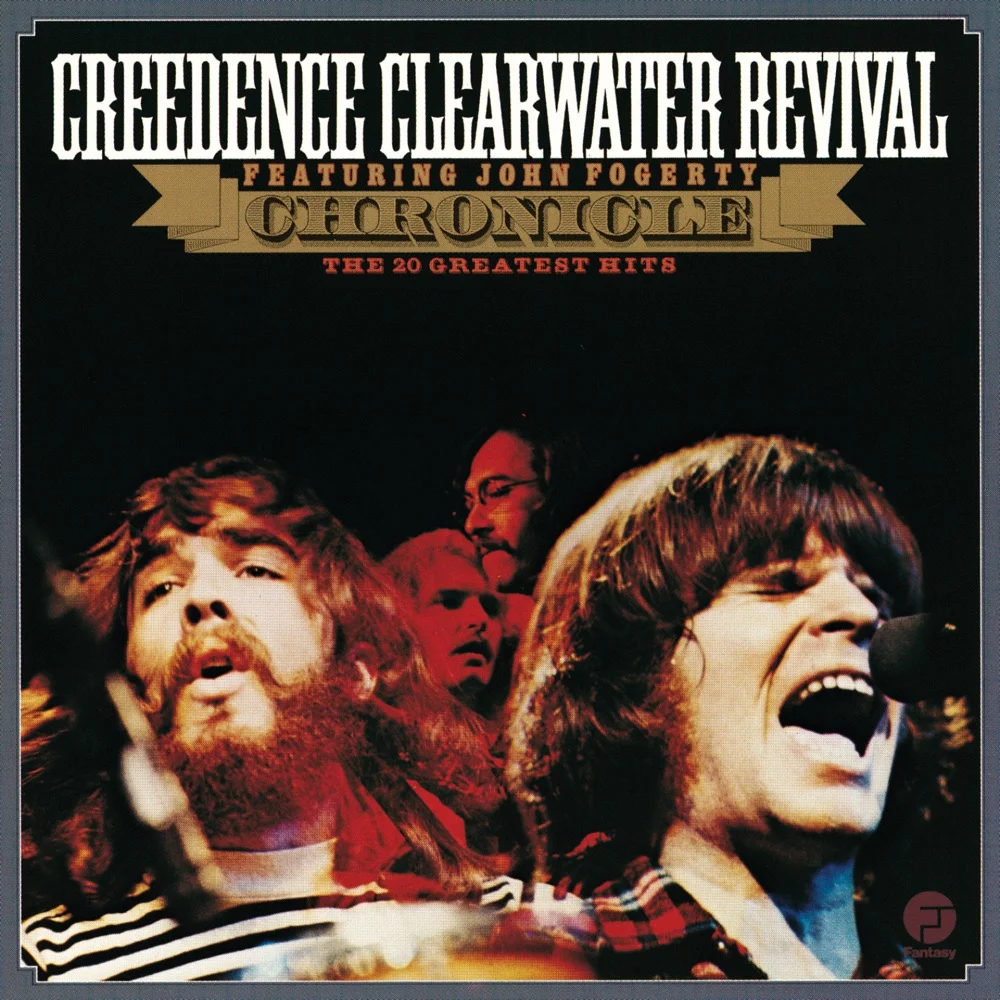
The Ultimate Swamp Rock Anthem
Released in 1969, "Fortunate Son" is a vocal powerhouse packed into just over two minutes. John Fogerty's performance is iconic for its raw aggression, unrelenting energy, and biting social commentary. It’s not about singing pretty; it’s about singing with conviction.
The song sits in G Major, which is a great key for Tenors to belt in, but the challenge lies in the "grit." Fogerty maintains a distorted, raspy tone throughout the entire track without losing pitch accuracy. Let's break down how to achieve that sound safely.
Phase 1: The Verse Setup
The verses ("Some folks are born made to wave the flag...") are rhythmic and percussive. You need to lock in with the drums. The melody hovers around D4 and E4, which is the "break" area for many male voices. Keep the sound forward, right behind your teeth, to ensure the lyrics cut through.
The Trap: Don't get lazy with your diction. Fogerty spits these words out. The AI Coach tracks your rhythmic precision here closely.
Phase 2: The Chorus Belt
The chorus ("It ain't me, it ain't me...") jumps up to a powerful G4. This is a classic rock belt note. To hit this:
- Open your mouth: A vertical mouth shape (drop your jaw) helps resonate the sound.
- Use "Twang": Narrow the epiglottis slightly to get that bright, piercing quality.
- Don't Push Air: Volume comes from resonance, not from pushing massive amounts of air, which will dry out your cords.
Phase 3: The Fogerty Growl
The defining characteristic of this song is the distortion. This is often achieved using the "false vocal folds." To find this feeling, gently clear your throat or imitate a frustration grunt. Then, try to layer that texture over a clean note. Do not do this if it tickles or hurts your throat—that means you are grinding your true vocal cords.