 Singing Coach AI
The Ultimate Southern Rock Anthem
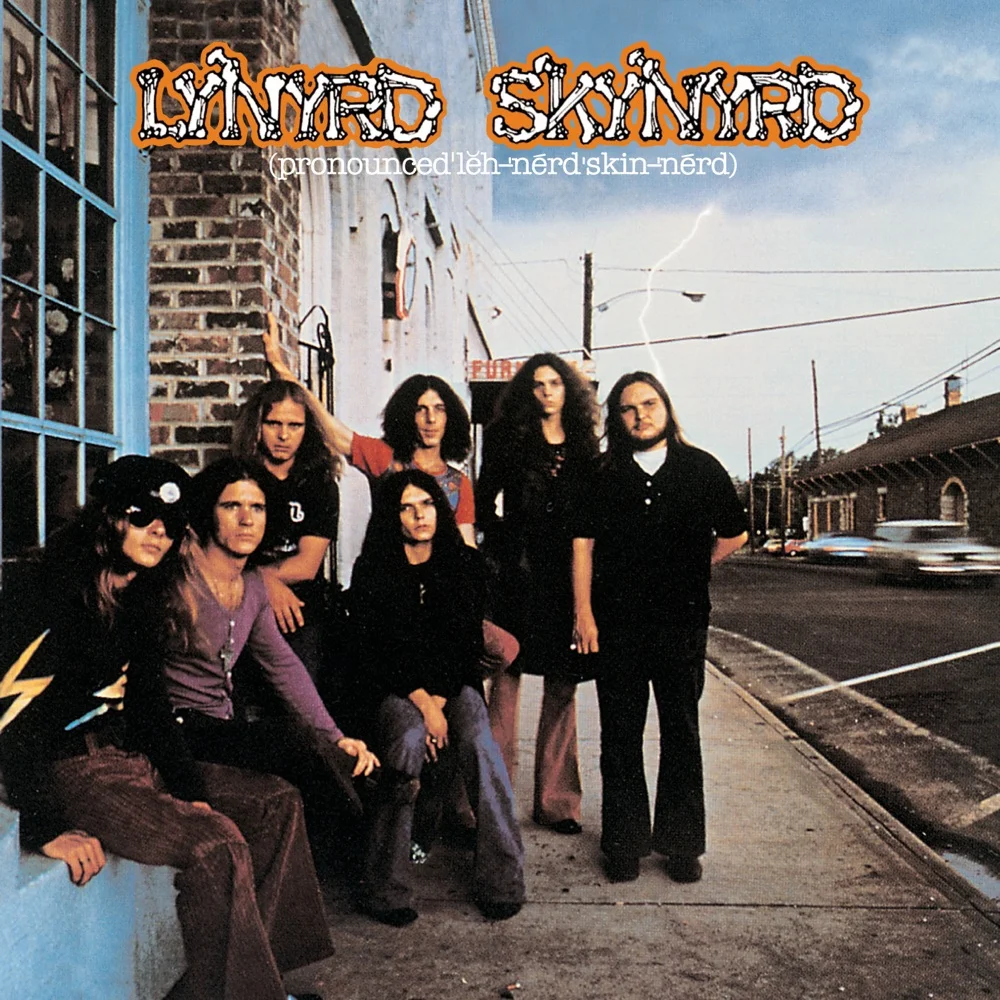
Free Bird is more than just a song; it's a rite of passage for rock vocalists. Written by Allen Collins and Ronnie Van Zant, this track closes Lynyrd Skynyrd's 1973 debut album. It famously features a split structure: a soulful, melodic ballad for the first half, followed by a high-octane double-time rock jam.
To sing this well, you need patience and power. The ballad section requires a clean, emotive tone, while the finale demands significant vocal stamina to compete with the triple-guitar attack. Let's break down exactly how to tackle it, section by section.
Phase 1: The Verses (0:00 - 3:00)
The song begins in G Major. The opening lines sit in a comfortable speaking range for Tenors and Baritones. The key here is the "Southern Drawl" phrasing. Van Zant often slides into notes from below, giving the vocal a relaxed, mournful quality.
The Trap: Avoid over-singing the word "change" in the chorus line "Lord knows I can't change." Keep the vowel shape open (think "ah" not "ay") to maintain resonance without pinching the throat.
Phase 2: The Chorus (3:00 - 4:40)
As the song builds, you need to introduce more chest resonance. The line "Cause I'm as free as a bird now" is the hook. It requires a confident, forward placement.
- Breath Support: The phrases get longer here. Ensure you are breathing deeply from the diaphragm before the line "And this bird you cannot change."
- Tone Color: Switch from the clean tone of the verse to a slightly "twangy" mix to cut through the organ and guitars.
Phase 3: The Rock Climax (4:40+)
The tempo doubles, and the energy spikes. Ronnie switches to a powerful belt. The repeated line "Won't you fly high free bird" hits a sustained C5 (or high B4 depending on live versions). This is the endurance test.
To survive this section, use vocal compression. Don't just shout; engage your core and focus the sound into the "mask" of your face. If you feel tickling in your throat, you are pushing too much air.