 Singing Coach AI
A Test of Vocal Attitude
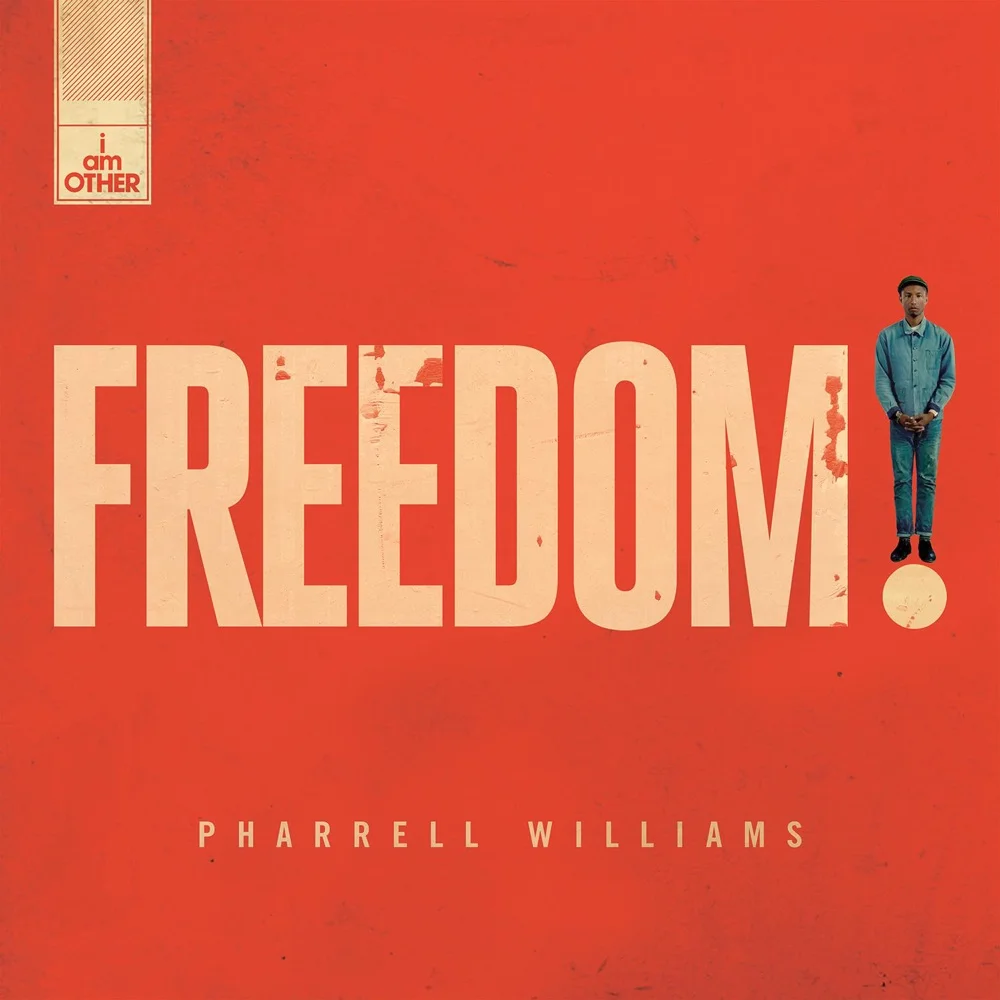
Pharrell Williams' Freedom is a masterclass in vocal charisma. Unlike melodic ballads that require smooth legato lines, this track demands percussive phrasing, grit, and unwavering energy. It’s a soulful protest anthem that relies on a specific "call and response" style inspired by gospel and old-school soul records.
To sing this well, you need to let go of perfectionism and embrace the raw emotion of the track. The challenge lies in managing your breath while delivering powerful belts and switching instantly to spoken-word style verses.
Phase 1: The Spoken Verses
The verses ("Hold on to me / Don't let me go") are not sung in a traditional melodic sense; they are half-spoken, half-chanted. This requires rhythmic precision.
The Trap: Many singers get lazy with the rhythm here. You must be locked in with the piano stab. Keep your diction crisp and your tone conversational but authoritative.
Phase 2: The Belting Chorus
The hook is iconic: the single word "Freedom" shouted/sung with intense passion. This note sits in a high chest/mix register for most singers.
- The Scoop: Pharrell doesn't hit the note dead-on instantly; he scoops up into it. This adds the "soul" flavor.
- Resonance: Aim for a forward, bright placement (mask resonance). If you swallow the sound, it will lack the necessary punch.
- Volume: While it sounds loud, avoid screaming. Use "twang" to create the perception of volume without blowing out your vocal cords.
Phase 3: The Ad-Libs
Towards the end of the track, Pharrell improvises with falsetto whoops and higher belts. This is where you can show off your range. Ensure your transition from chest voice to head voice is agile, as the song moves quickly.