 Singing Coach AI
The Art of the "Character Song"
"Funny Honey" is the first time the audience truly meets Roxie Hart in the musical Chicago. Unlike big belting numbers, this song is deceptively simple musically but demanding theatrically. It requires a singer who can tell a story, act through the lyrics, and maintain a consistent, often breathy, tone.
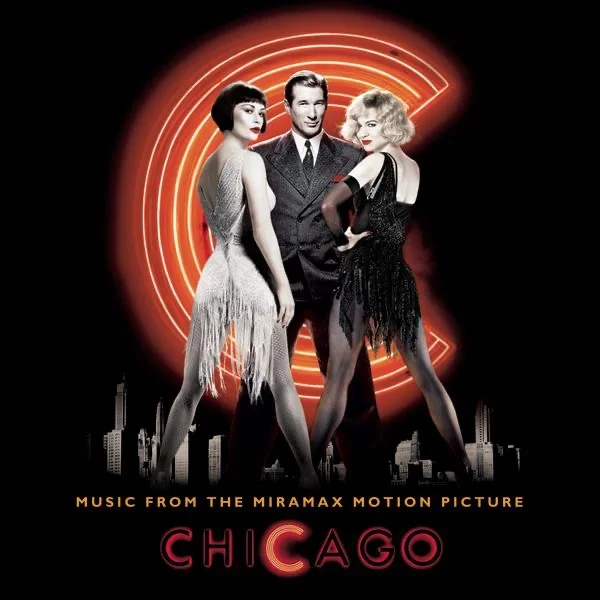
Renée Zellweger's version from the 2002 movie leans heavily into a vulnerable, almost conversational style. To score high on this track, you need to resist the urge to "over-sing." The power lies in the subtlety and the irony of the lyrics.
Phase 1: The Monologue (0:00 - 1:15)
The song begins in F Major. The opening lines ("Sometimes I'm right...") should feel like a thought spoken aloud. The melody sits comfortably in the middle range.
The Trap: Many singers go too formal here. Keep the placement forward and bright (think "mask resonance") to capture that 1920s vaudeville quality, but keep the volume at a conversational level.
Phase 2: The Praise (1:15 - 2:45)
As Roxie describes Amos, the melody dips down to a low G3. This is tricky for lighter Sopranos. You must engage your diaphragm to support these low notes so they don't sound like vocal fry.
- "He loves me so": Use a slight slide (portamento) up to the note to mimic Zellweger's desperate affection.
- "That's Funny Honey": This hook needs to be sung with a smile. The AI detects tone brightness, and smiling physically lifts the soft palate.
Phase 3: The Realization (2:45 - End)
In the movie version, the acting takes a turn as the scene progresses. While the notes don't go incredibly high (peaking around C5), the emotional intensity grows. The final "He loves me so" is often sung with a mix of realization and sadness.
Focus on the breath. Zellweger uses a lot of air in her tone to convey vulnerability. Practice singing the phrase with a sigh-like quality, but ensure you maintain pitch accuracy on the sustained notes.