 Singing Coach AI
Mastering the Funk-Soul Vocal Style
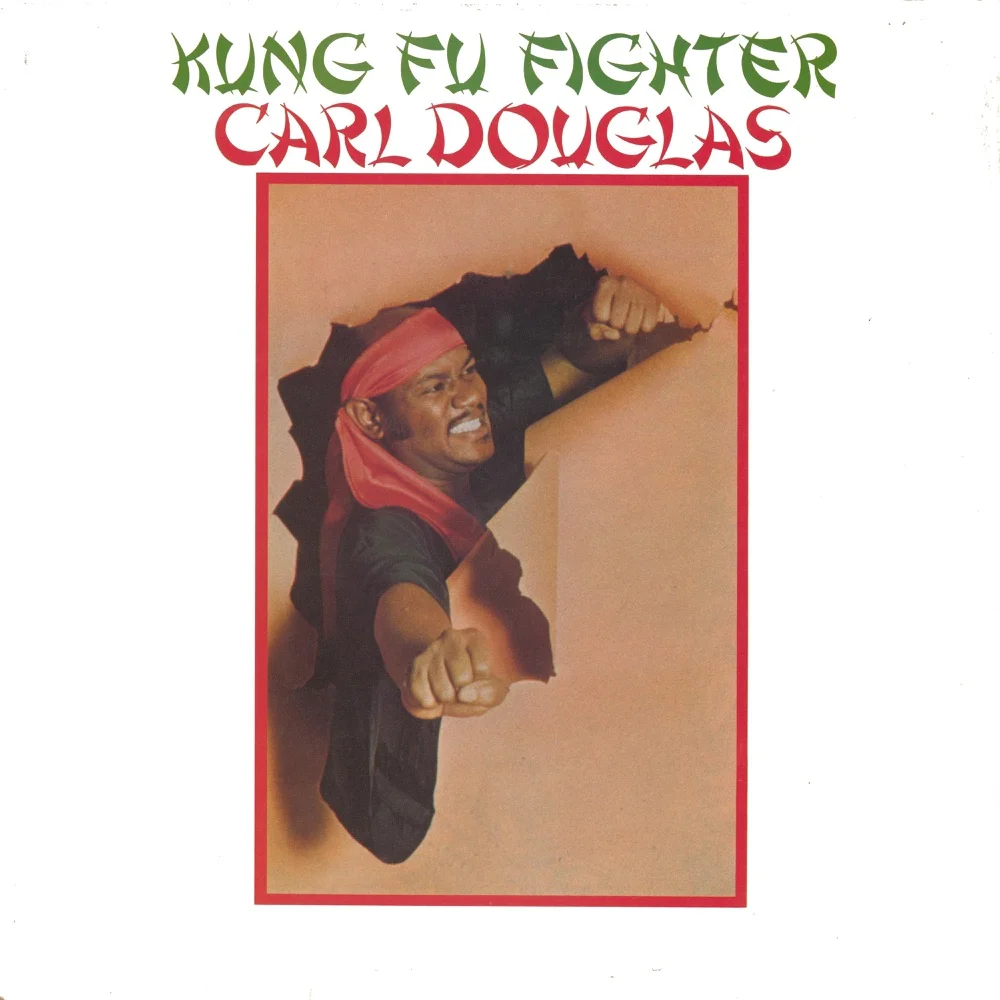
Carl Douglas is best known for "Kung Fu Fighting," but "Gamblin’ Man" is a hidden gem of vocal groove. Released in 1974, this track exemplifies the transition from Soul to Disco. It demands a vocalist who isn't afraid to "sit in the pocket" rhythmically.
To sing this well, you need to treat your voice like a percussion instrument. The melody is catchy, but the real magic comes from the syncopation and the gritty, soulful delivery in the upper chest register.
Phase 1: The Verses (Storytelling)
The verses in "Gamblin’ Man" are conversational but rhythmic. You are telling a story about a lifestyle. Keep your volume at a medium level (mezzo-forte) but ensure your diction is crisp.
Technique: Use a "speech-level" singing approach. Don't try to make it sound too operatic or pretty. Add a little vocal fry or "growl" at the start of phrases to emphasize the rugged character of the lyrics.
Phase 2: The Chorus (Energy)
The energy lifts significantly here. The line "I'm a gamblin' man" needs to be punched out. This sits right in the passaggio for many baritones (around D4-E4).
- Projection: Engage your diaphragm to support the belt. If you rely on your throat, you will sound strained.
- Vowel Modification: On higher notes, modify your vowels to be more open (e.g., sing "Man" slightly more like "Mahn") to reduce tension.
Phase 3: The Soulful Ad-Libs
Towards the end of the song, Douglas adds shouts, runs, and rhythmic improvisations. This is your chance to show personality.
Don't just copy the record exactly—feel the groove. The AI Coach will grade you on staying in key, but also on your ability to maintain the energy without dropping the pitch flat.