 Singing Coach AI
Mastering the Funk Vocal Style
"Get It Up" by Wild Cherry is a quintessential funk track that relies heavily on attitude, rhythmic precision, and dynamic control. While the range isn't as expansive as a rock ballad, the challenge lies in the delivery. You need to treat your voice like a percussion instrument, locking in with the drums and bass.
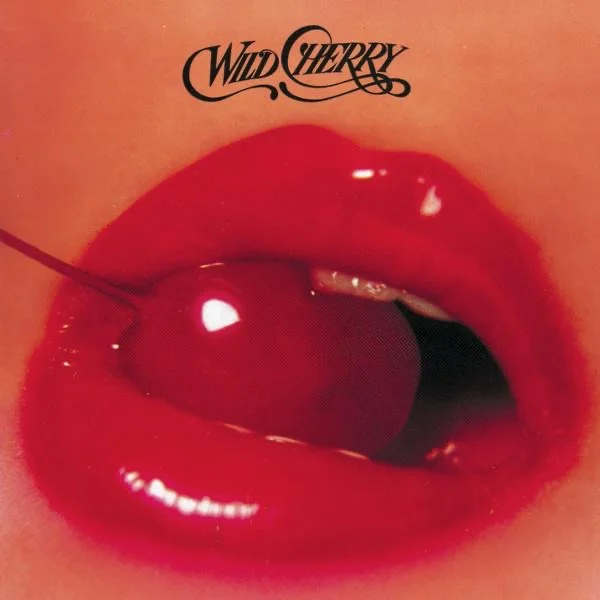
Released on their self-titled debut album in 1976, this song shares the high-energy DNA of their massive hit "Play That Funky Music." To sing it effectively, you must avoid "dragging" notes and instead focus on sharp, staccato phrasing.
Phase 1: The Verse Groove
The verses sit comfortably in the mid-range (E3-E4). The key here is articulation. You want to punch the consonants. When singing lines like "You've got to get it up," emphasize the 't' and 'p' sounds. This adds percussive texture to the melody.
The Trap: Avoid singing too legato (smooth). If you connect the notes too much, the song loses its bounce. Keep it choppy and energetic.
Phase 2: The Chorus Lift
The chorus requires a shift in intensity. You need to project more volume here without shouting. Use a "twangy" vocal placement (think of a bright, forward sound) to cut through the mix of horns and guitars.
- Breath Support: The phrases are repetitive and fast. Take quick "sip" breaths between lines to maintain energy.
- Pitch Accuracy: The melody often jumps around the pentatonic scale. Use the Singing Coach AI visualizer to ensure you aren't sliding up to notes (scooping) but hitting them dead center.
Phase 3: The Attitude
Wild Cherry's style is 50% technique and 50% swagger. Don't be afraid to add grit to your voice on the lower notes. However, ensure this grit comes from false cord distortion and not from squeezing your throat, which causes strain.