 Singing Coach AI
The Art of the 12-Bar Blues
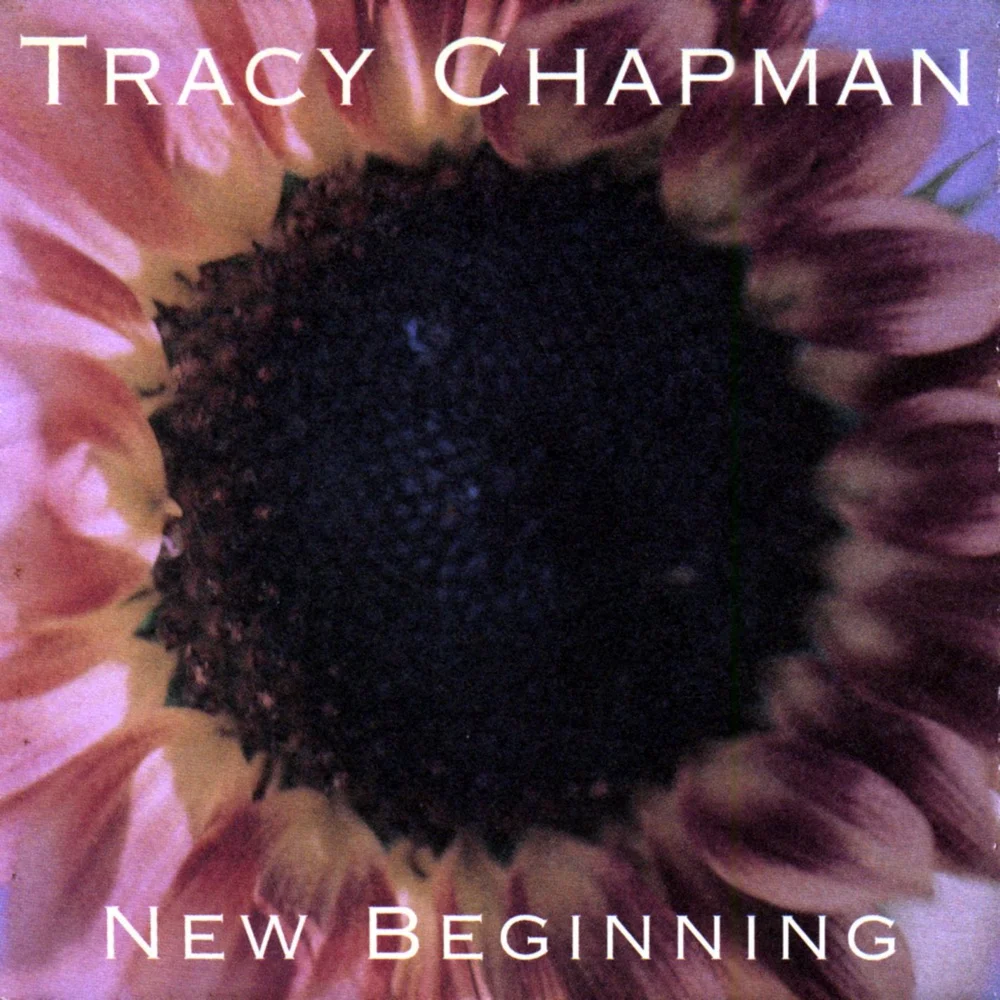
"Give Me One Reason" is Tracy Chapman's biggest hit from her 1995 album New Beginning. Unlike standard pop songs, this track follows a traditional 12-bar blues progression in the key of F# Major. The melody is repetitive, but don't let that fool you—the magic is in the nuance, the phrasing, and the "pocket."
To sing this well, you need to abandon the polished, high-pitched pop style. You need to sink into your lower register, relax your jaw, and focus on storytelling. Let's break down exactly how to tackle it, section by section.
Phase 1: The Conversational Verses
The song stays comfortably in the mid-range (F#3 to C#4) for most of the verses. The line "Give me one reason to stay here" should be sung almost as if you are speaking it. There is very little breathiness here; use a solid, speaking-voice connection.
The Trap: Because the melody repeats, it can get boring if you don't vary your dynamics. Try emphasizing different words in each verse. For example, stress "one" in the first line, and "stay" in the repetition.
Phase 2: The Vibrato Control
Tracy Chapman has a very distinct, fast vibrato that she uses at the end of phrases. However, she often starts a note straight and allows the vibrato to bloom at the very end.
- Resonance: Keep the sound in your chest. If you feel vibration in your nose or head, you are placing it too high for this style.
- Diction: Keep it natural but clear. Don't over-enunciate like a musical theater performer. It needs to sound raw and honest.
Phase 3: The Ad-libs and The Bridge
Towards the end of the song and during the guitar solos, Tracy introduces higher ad-libs, reaching up to C#5. These should be sung with power, but not screamed. It is a controlled belt.
The interaction between the vocal and the guitar is "call and response." Listen to the guitar fills and make sure your vocals are responding to them, rather than competing with them.