 Singing Coach AI
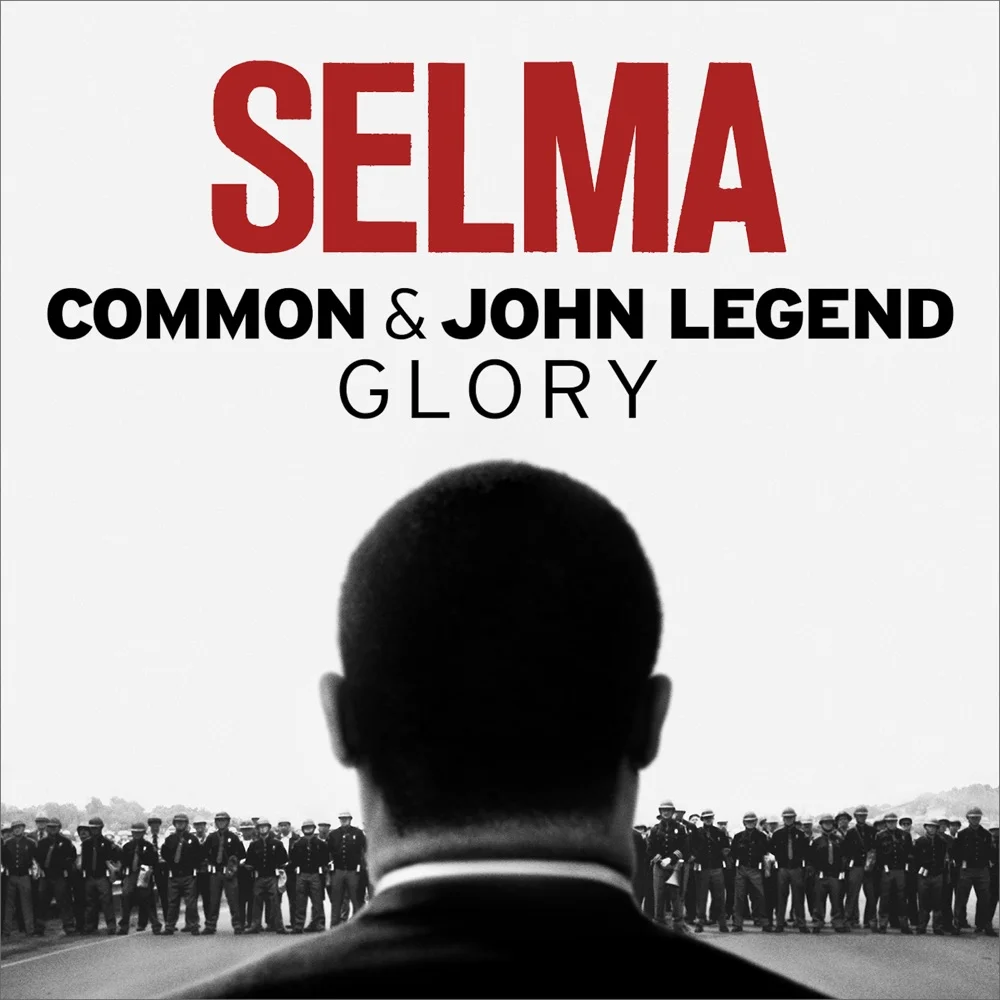
An Anthem of Soul and Freedom
Glory is more than a song; it's a powerful statement. Written for the film Selma, this track won the Academy Award for Best Original Song. It combines the deep, resonant soul vocals of John Legend with the rhythmic, poetic flow of Common.
To perform this track well, you need to balance two distinct skills: legato singing for the chorus and precise articulation for the verses. The emotional weight of the song requires a grounded, chest-dominant delivery rather than airy falsetto.
Phase 1: The Chorus (John Legend)
The hook, "One day, when the glory comes," is sung in C Major. The melody sits comfortably in the mid-range for most male voices, but the challenge is the sustain. You need to hold the notes with steady vibrato at the end of the phrases.
The Trap: Many singers run out of breath before the end of the line "it will be ours." Practice deep diaphragmatic breathing to ensure you can carry the phrase to its completion without breaking the legato line.
Phase 2: The Rap Verses (Common)
Common's delivery is spoken-word poetry. It is less about melody and more about rhythm and inflection. The tempo is slow (approx 72 BPM), which gives you plenty of space, but that also means rushing is noticeable.
- Diction: Consonants must be crisp. The AI Coach tracks the clarity of words like "resistance," "victory," and "glory."
- Flow: Stay right on the beat. The snare drum is your anchor.
- Tone: Keep your speaking voice relaxed and authoritative. Do not pitch it too high.
Phase 3: The Climax
As the choir enters, the energy lifts. John Legend belts the final choruses with more grit. The highest significant note here is a G4. While not extremely high for a tenor, it requires power.
To achieve this, engage your core muscles and use "call" register—think of the sensation of calling out to someone across the street, but maintain the musicality.