 Singing Coach AI
The Anthem of Optimism
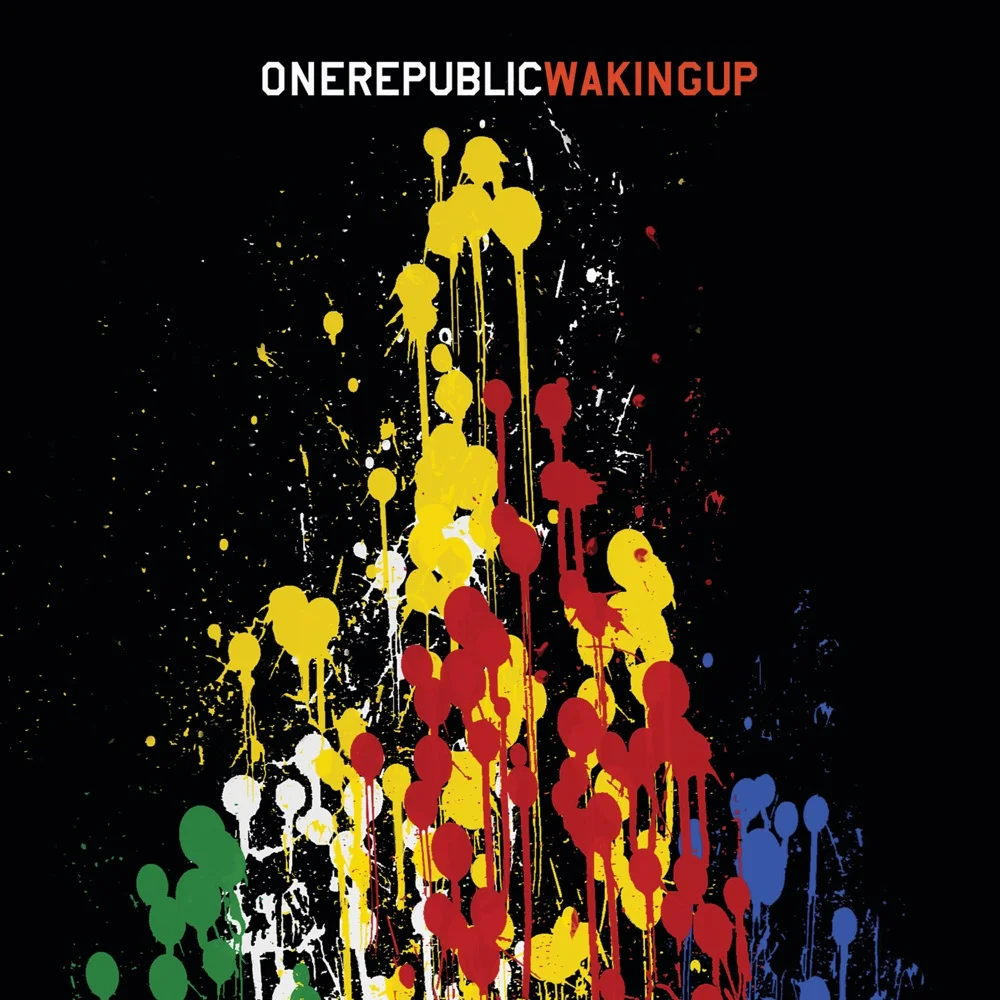
"Good Life" is one of OneRepublic's most enduring hits, featured on their 2009 album Waking Up. Written by frontman Ryan Tedder, the song is famous for its unique whistling hook, driving rhythm, and catchy, optimistic melody. It presents a different challenge than power ballads; this song is about agility, groove, and texture.
To sing this well, you need to master the art of the "vocal flip"—transitioning seamlessly between your chest voice and your falsetto without a break in the rhythmic flow. Let's break down exactly how to tackle it, section by section.
Phase 1: The Rhythmic Verses
The song starts in F# Major. The verses ("Woke up in London yesterday...") are almost conversational. The melody stays relatively low in the tessitura, sitting comfortably for Tenors and Baritones.
The Trap: Because it feels like speaking, singers often get lazy with pitch. Every syllable has a specific note. Keep your diction crisp and percussive to match the drum beat.
Phase 2: The Falsetto Flips
Ryan Tedder is a master of the "pop yodel." Throughout the song, particularly leading into the chorus, the melody jumps quickly into head voice/falsetto and back down.
- The Whistle: While the iconic hook is whistled, vocalizing this melody requires precise intonation. The AI Coach tracks pitch accuracy here just as it does for singing.
- "Good" Life: The word "Good" often sits on a higher inflection. Keep it light. Pushing chest voice too high here will kill the vibe.
- Texture: Aim for a breathy, airy quality in the upper register to match the song's dreamy aesthetic.
Phase 3: The Bridge and Outro
The energy builds towards the end. The backing vocals layer up, and the lead vocal requires more power. However, "Good Life" never turns into a screaming rock track. It stays controlled.
Maintain a "mixed voice" placement. You want the resonance of your chest voice but the ease of your head voice. If you feel tension in your neck, you are pushing too hard. Dial the volume back and focus on resonance.