 Singing Coach AI
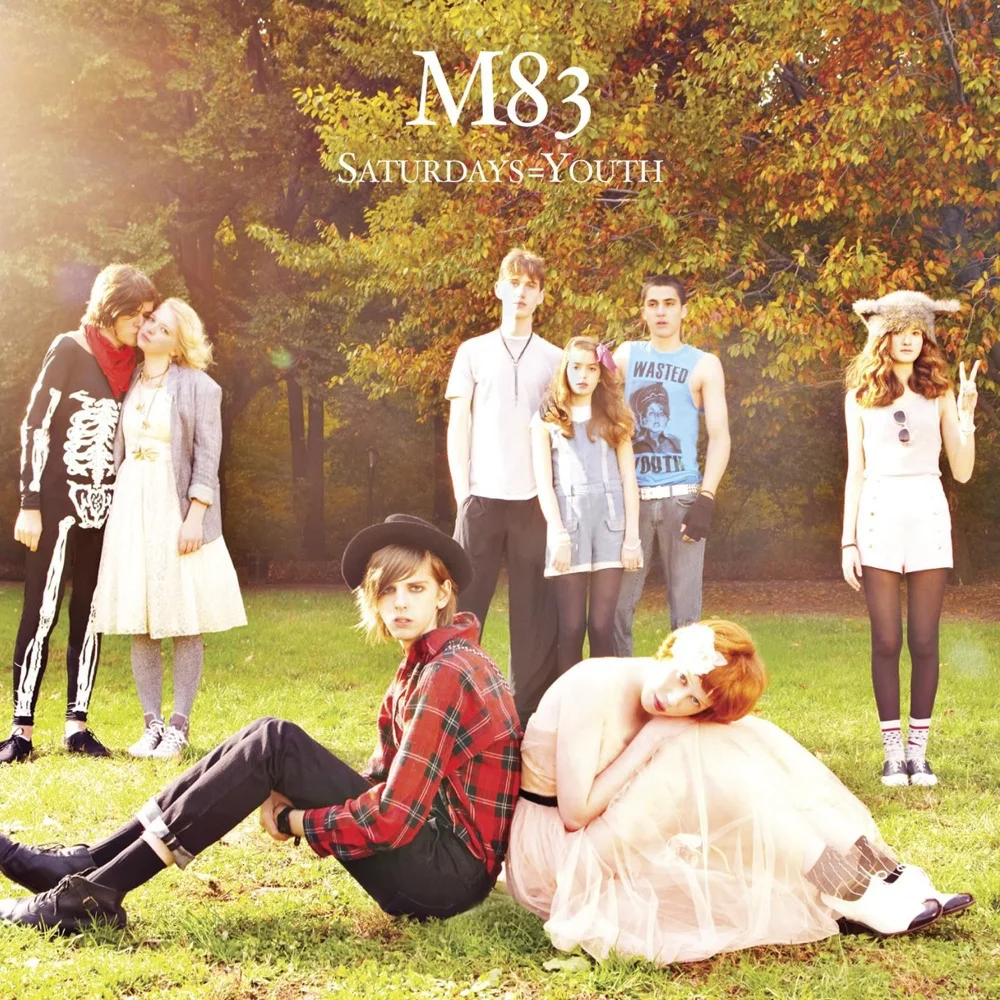
The Essence of Teen Angst and Dream Pop
From M83's iconic album Saturdays = Youth, "Graveyard Girl" captures the melo-dramatic intensity of teenage years. Unlike powerhouse ballads, this song relies on texture, atmosphere, and a very specific "shoegaze" vocal delivery. It isn't about hitting the highest note; it's about blending into the wall of synthesizers.
The song features two distinct styles: the sung verses/choruses (performed by Anthony Gonzalez) and the spoken word bridge (performed by Morgan Kibby). Mastering the switch between singing and acting is key to a high score.
Phase 1: The Verses & Chorus (E3 - G#4)
The melody is simple and repetitive, sitting comfortably in the mid-range for both male and female voices. The challenge is maintaining consistent pitch while keeping the tone light.
- The Tone: Avoid a hard, chesty belt. The vocals should feel "washed out." Imagine your voice is another synthesizer layer.
- The Chorus: "I'm gonna be a graveyard girl." Even though the energy lifts here, resist the urge to shout. Use a "heady mix" to keep the sound sweet rather than aggressive.
Phase 2: The Spoken Word Bridge (1:55)
This is the most unique part of the song. The music drops out, and the character speaks: "I'm 15 years old. And I feel it's already too late to live."
The Singing Coach AI switches to "Rhythm & Diction Mode" here. We aren't grading your pitch, but we are grading your timing and clarity. You need to deliver the lines with conviction and slightly theatrical emotion, exactly on the beat of the underlying pulse.
Phase 3: The Outro
As the song reaches its climax, the vocals become more of an instrument. You will be sustaining notes like G#4 and F#4 against a wall of sound. Ensure you have good forward placement (feel the buzz in your mask/nose) so your voice cuts through the heavy reverb effects.