 Singing Coach AI
Mastering the Art of Heartbreak
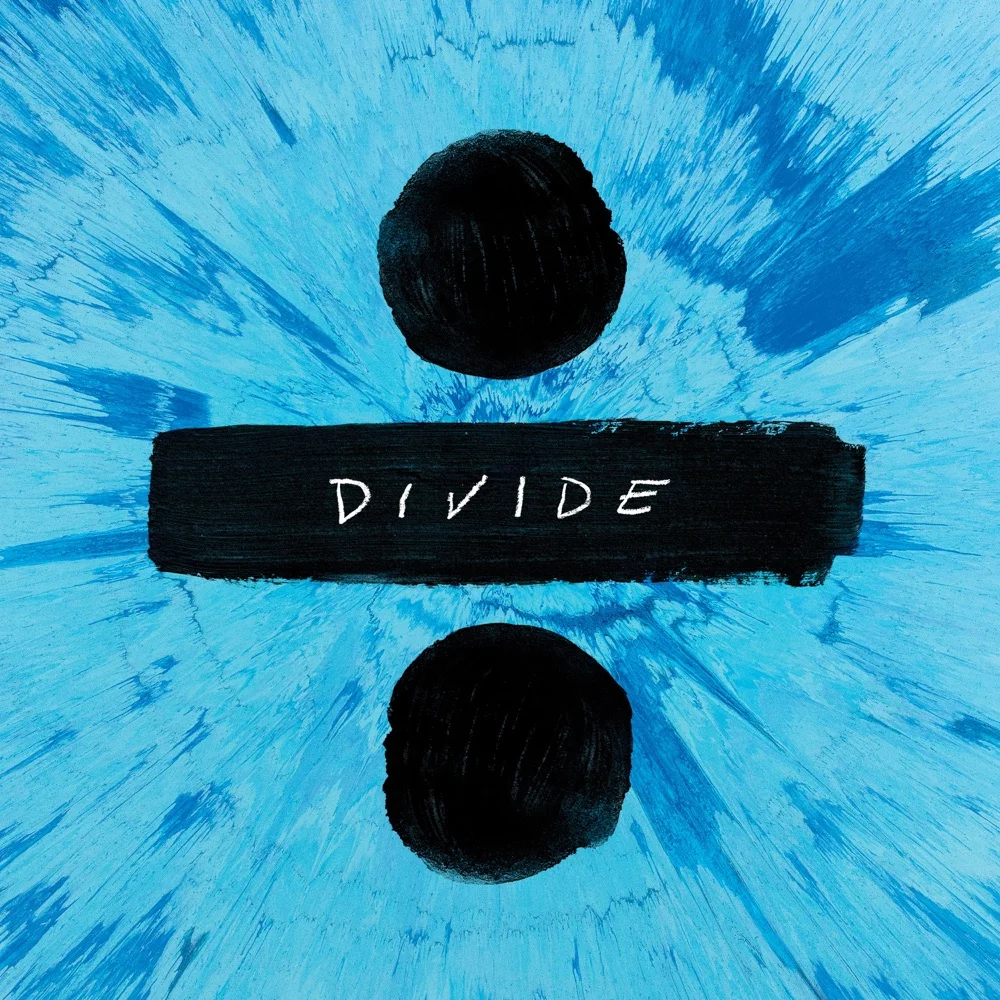
Happier is a standout track from Ed Sheeran's 2017 album Divide. Unlike his loop-pedal upbeat hits, this is a stripped-back, emotional ballad that relies heavily on vocal nuance. The challenge here isn't range—it's texture.
To sing this well, you need to balance a conversational chest voice in the verses with a fragile, airy falsetto in the chorus. The song is a masterclass in dynamic control, requiring you to hold back power until the very end. Let's break down the technique.
Phase 1: The Verses (0:00 - 0:48)
The song begins in C Major. The verses sit in a lower, comfortable range for Tenors (C3-G3). The tone should be intimate, almost like you are whispering to someone in the same room.
The Trap: Because the melody is simple, singers often lose focus on diction. Keep your consonants crisp, particularly on words like "walking," "talking," and "laughing" to maintain the rhythmic flow.
Phase 2: The Chorus Falsetto (0:49 - 1:15)
This is the signature hook. On the line "'Cause baby you look happier, you do," Ed flips into a light, airy head voice (or falsetto).
- The Flip: The transition needs to be seamless. Avoid a hard "break" or click in your voice.
- Pitch Accuracy: It is easy to go sharp when singing falsetto. Keep the sound placement forward in your "mask" (behind your nose/eyes).
- Vowel Shape: Modify the "you" vowel to be slightly more open to ensure resonance.
Phase 3: The Bridge Build (2:12 - 2:48)
The bridge ("Baby you look happier, you do") is where the energy lifts. You should switch from a breathy tone to a more compressed, solid chest mix. You aren't shouting, but you are adding "cry" to the voice.
As the song reaches its climax, you'll hit the peak notes (A4) with full chest resonance before dropping back down to a whisper for the outro.