 Singing Coach AI
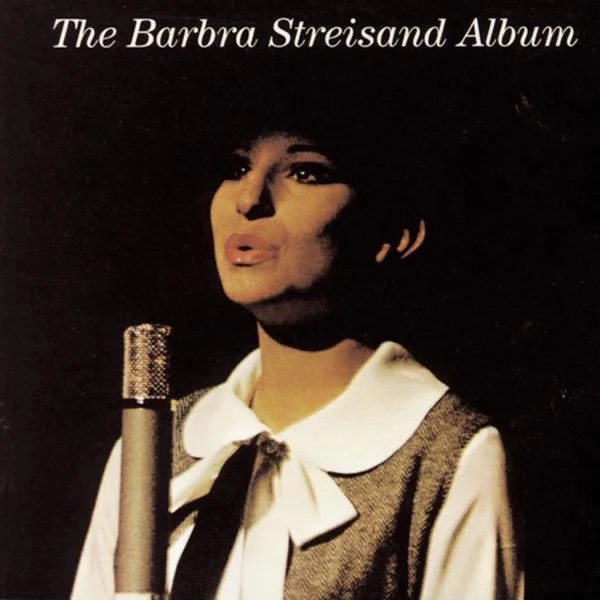
Reinventing a Classic
"Happy Days Are Here Again" was originally a fast-paced, optimistic anthem from the 1929 film Chasing Rainbows, eventually becoming the campaign song for Franklin D. Roosevelt. However, Barbra Streisand completely reinvented it for her 1963 debut album. By slowing it down to a crawl, she turned it into an ironic, deeply emotional tour-de-force.
To sing this version effectively, you must abandon the original upbeat tempo. This performance is about acting as much as singing. It requires a slow build, starting with quiet vulnerability and ending with explosive, triumphant power.
Phase 1: The Intimate Opening
The song begins in a low, conversational register. The line "So long sad times, go long bad times" should be delivered almost like a secret. Streisand uses a mix of straight tone (no vibrato) and delayed vibrato here to create tension.
The Technique: Focus on "Legato" singing—smoothly connecting one word to the next without breaks. Imagine the sound is a continuous ribbon being pulled from your mouth.
Phase 2: The Emotional Swell
As the song progresses, the instrumentation (or piano) builds, and so must your voice. You need to start adding "cry" into your tone—a technique where you slightly lower the larynx to create a richer, warmer sound. This is crucial for lines like "Leave us here... alone."
- Articulation: Be careful not to over-articulate consonants, which can chop up the melody.
- Placement: Move the resonance from your mouth (speech level) to your chest and mask (face) for more projection.
Phase 3: The Power Belt
The finale is legendary. The final repetition of "Happy days are here... again!" requires a supported belt up to a D5.
To hit this safely, do not yell. Use "anchoring"—engage your lat muscles and core to support the sound. Keep the vowel modification in mind; modify the "A" in "Again" towards a slightly more open "Ah" or "Eh" sound to prevent the throat from closing up.