 Singing Coach AI
The Ultimate Roots Rock Anthem
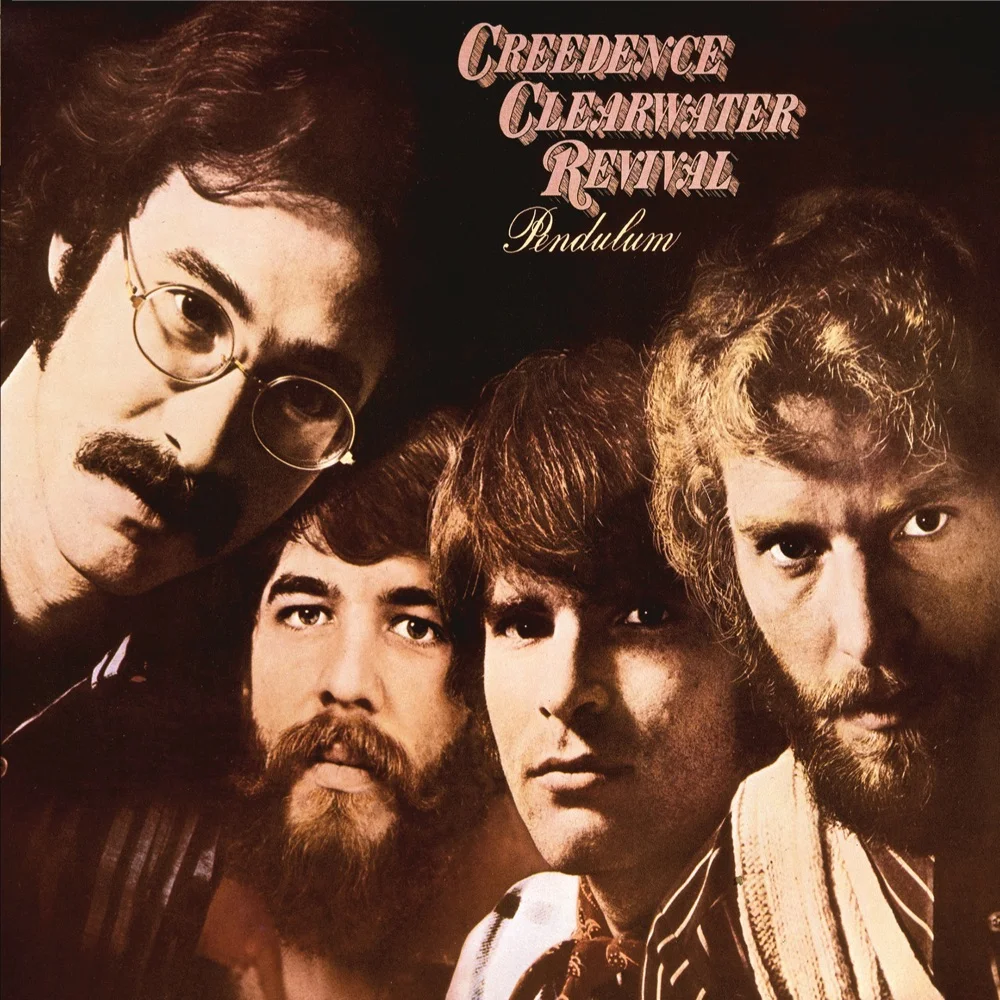
Released in 1970 on the album Pendulum, "Have You Ever Seen the Rain?" is one of Creedence Clearwater Revival's most enduring hits. Unlike the complexity of progressive rock, this song relies on raw emotion, a driving rhythm, and John Fogerty's signature vocal grit. It captures the essence of "swamp rock" despite the band hailing from California.
Singing this track effectively requires a balance of relaxation in the verses and powerful, supported belting in the chorus. It is not about hitting impossible high notes, but about selling the story with texture and conviction.
Phase 1: The Verses (Relaxed Storytelling)
The song begins with "Someone told me long ago..." in a comfortable mid-range (starts around G3/A3). This section should be conversational. Do not push for volume here.
The Trap: Because the chorus is loud, singers often start the verse too aggressively. Keep the verses relatively clean. Save the grit for the emotional peak of the song.
Phase 2: The Chorus Belt
The energy shifts dramatically on the line "I want to know..." where the melody jumps to a C5. This is the challenge note for many male vocalists. It sits right at the passaggio (break) for baritones.
- Breath Support: Engage your lower abs before you hit the "I". If you don't have enough air pressure, your throat will close up.
- Vowel Modification: The word "Rain" on a high C can sound thin and nasal (like "Ray-eehn"). Modify the vowel closer to "Rehn" (rhymes with 'ten') to keep the throat open and the tone full.
Phase 3: Achieving the "Fogerty Grit"
John Fogerty's voice is famous for its rasp. To achieve this without damaging your vocal cords, use "twang" or vocal compression. Think of the sound you make when lifting something heavy.
Do not simply scream. The rasp comes from the false cords vibrating above the true cords. If your throat feels scratchy or hurts after singing this, you are grinding your vocal cords together. Stop and rest immediately.