 Singing Coach AI
Mastering the Power Pop Pulse
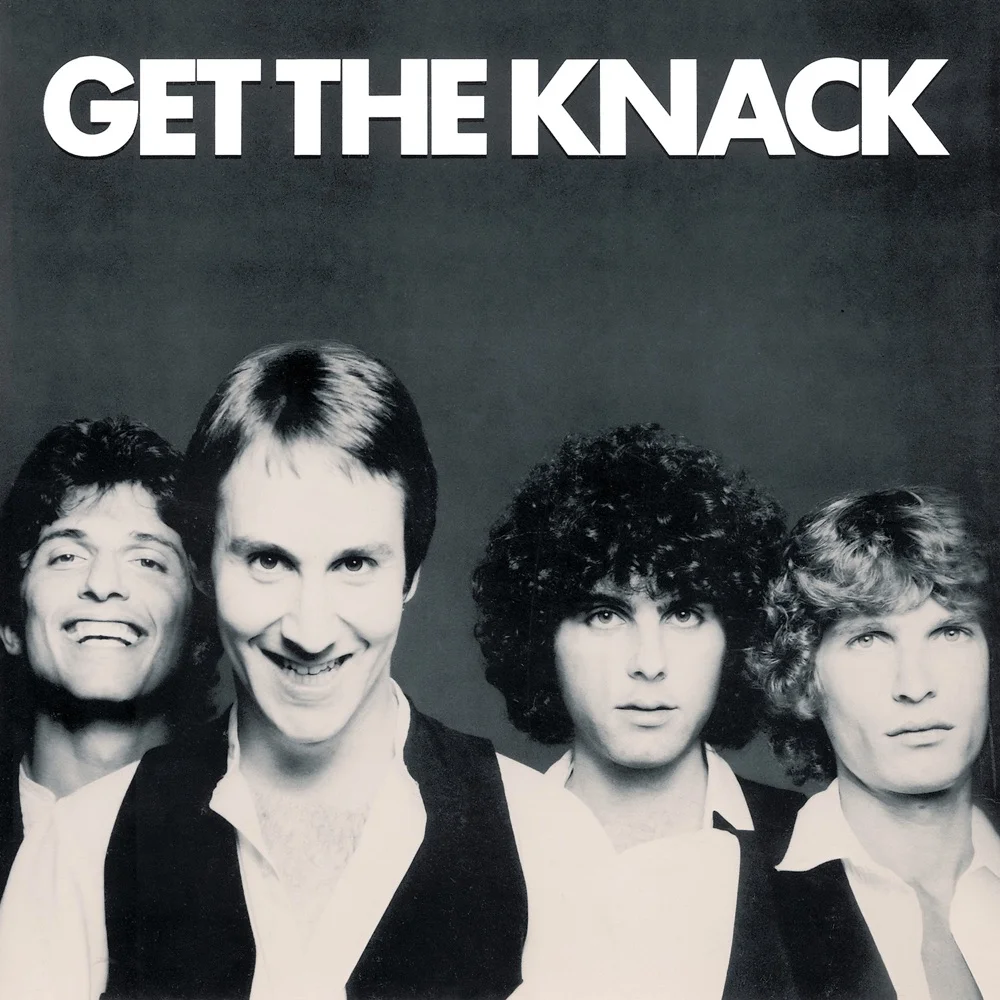
Originally written by Bob Montgomery and popularized by Buddy Holly, The Knack's 1979 cover of Heartbeat injects a raw, nervous energy that defined the New Wave scene. While not melodically complex, the challenge lies in the attitude and the "locked-in" rhythm.
Doug Fieger's vocal performance is less about showcasing range and more about percussive delivery. He treats his voice like a rhythm instrument, matching the staccato guitar chops perfectly. Here is how to approach the song without losing breath or pitch.
Phase 1: The Verses (0:00 - 0:45)
The song starts immediately. The line "Heartbeat, why do you miss when my baby kisses me?" sits in a comfortable mid-range. The key here is forward placement.
The Trap: Getting lazy with the rhythm. Each word needs to be distinct. Avoid sliding (glissando) between notes. This is pop-rock, not a ballad. Keep your diaphragm engaged to punch out the accents on the downbeats.
Phase 2: The Chorus Hook
The repetition of "Heartbeat, heartbeat, love is a heartbeat" is the emotional center. You need to increase your volume slightly, but maintain that chest resonance.
- Breath Control: The phrases are short, so take quick "sips" of air rather than deep breaths, which can slow you down.
- The "Hiccup": Borrowing from Buddy Holly, try flipping your voice slightly at the very end of the word "love" or "kiss." It adds that authentic rockabilly flair characteristic of The Knack's sound.
Phase 3: Maintaining Energy (1:30 - End)
After the guitar solo, the song requires you to maintain high energy until the fade-out. The tessitura (average pitch) stays around E4 to G#4. If you fatigue easily, focus on "twanging" your voice (making a brighter, nasal sound) to cut through the mix without straining your vocal cords.