 Singing Coach AI
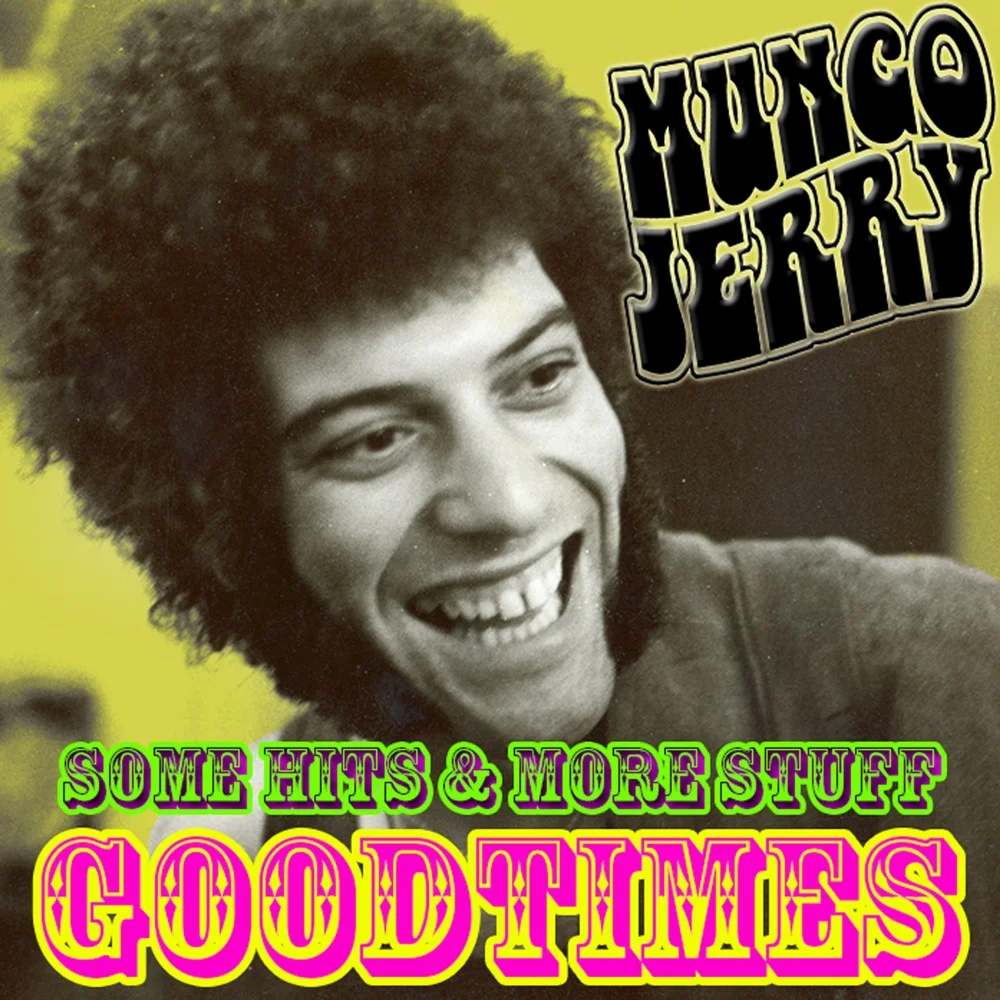
Mastering the Groove of Hello Nadine
"Hello Nadine" represents a smoother, more polished side of Mungo Jerry compared to their skiffle hits. Released in 1975, this song leans heavily on storytelling and a relaxed delivery. It doesn't require high belts or operatic technique, but it demands impeccable timing and a warm chest resonance.
To sing this well, you need to lock into the groove. The vocals are conversational, sitting comfortably in a baritone range. The challenge is maintaining the energy without rushing the beat.
Phase 1: The Conversational Verse
The song starts with a narrative feel. The notes are centered around the lower mid-range (G2-C3). Avoid "singing" it too formally. Think of it as speaking on pitch.
The Trap: It is easy to sound monotonous here. Use small dynamic swells on important words to keep the story engaging.
Phase 2: The Chorus Hook
The line "Hello Nadine" lifts the energy. While it doesn't jump significantly high in pitch, it requires a brighter tone color. Smile slightly while singing the vowel "ee" in "Nadine" to naturally raise your soft palate and brighten the sound.
Phase 3: The Rhythmic Flow
This track is all about the pocket. Mungo Jerry’s style is laid back. A common mistake is anticipating the beat (singing slightly early). Practice with a metronome or the Singing Coach AI click-track to ensure you are sitting right on the beat, or even slightly behind it, for that relaxed 70s vibe.