 Singing Coach AI
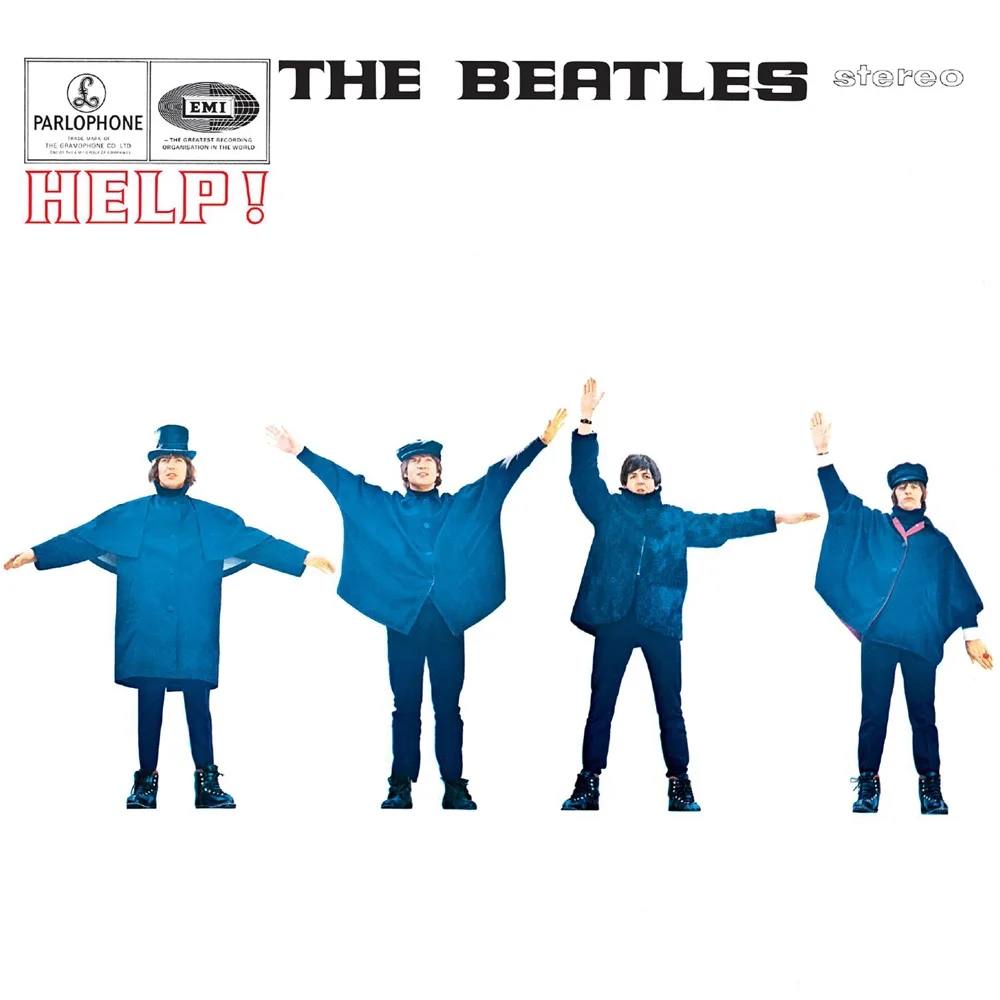
A Pop Song with a Darker Edge
John Lennon later claimed Help! was one of his favorite Beatles songs because it was "real." It wasn't just a pop song; it was a genuine cry for assistance during a period of stress. This emotional weight must be present in your performance. You cannot simply sing the notes; you must sound urgent.
The song is technically challenging due to its relentless tempo and the lack of breathing room between the verses and the chorus. Let's break down the vocal mechanics required to sing it like Lennon.
Phase 1: The Intro Hook (0:00 - 0:12)
Most songs build up to the high note. Help! starts with it. You need to hit a solid A4 on the very first word: "Help!" followed by an F#4 ("I need somebody") and D4 ("Not just anybody").
The Technique: Do not slide up to the note. You need a "glottal onset" to attack the A4 cleanly. Engage your lower abs before you make a sound. If you hesitate, you will be flat.
Phase 2: The Descending Verses (0:12 - 0:54)
The melody in the verses ("When I was younger so much younger than today") is a descending run. This is physically easier than ascending, but it presents a diction challenge.
- Consonants: Lennon articulates heavily. Ensure the 'd' in "needed" and 'y' in "anybody" are crisp.
- Breath Control: The phrasing is long and fast. Grab a quick "snatch breath" through your mouth after every second line to keep your oxygen levels up without breaking the rhythm.
Phase 3: The Chorus Call & Response
While the lead vocal sings the main melody, the backing vocals (Paul and George) sing an anticipation. If you are singing the lead, ignore the backing vocals. Your line is straight and rhythmic.
During the line "Won't you please, please help me," focus on a brighter, "twangy" tone placement in the nasal mask. This cuts through the mix and mimics that classic 1965 Liverpool sound.