 Singing Coach AI
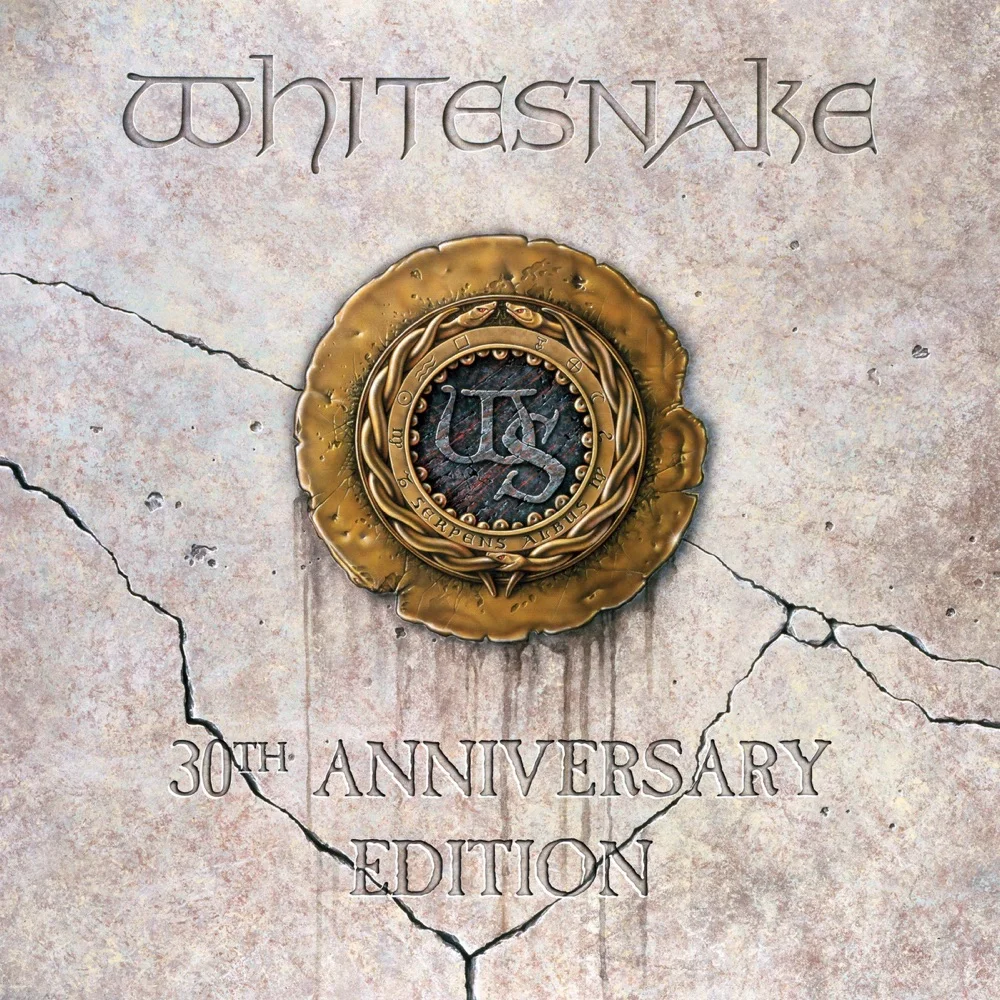
The Ultimate 80s Power Ballad
"Here I Go Again" is the defining anthem of 80s rock. Recorded by Whitesnake (most famously for their self-titled 1987 album), David Coverdale delivers a masterclass in dynamic contrast. The song moves from a whisper-quiet, low-register introspection to a full-throttle, stadium-shaking chorus.
To sing this well, you need to balance vulnerability with aggression. It requires a solid lower range (G2) for the verses, but plenty of "squillo" (ring) in the voice to cut through the guitars in the chorus. Let's break down the technique.
Phase 1: The Verse (The Low Road)
The song opens in G Major with a soft synth pad. The melody sits low. For Baritones, this is the sweet spot. For Tenors, you need to relax your larynx and ensure you aren't pressing down to hit the G2/A2.
The Trap: Because the volume is low, singers often run out of breath. Treat the line "But I know what it means, to walk along the lonely street of dreams" as one long musical phrase. Do not chop it up.
Phase 2: The Build (Pre-Chorus)
As the drums kick in, the intensity rises. You are moving from chest voice into a mixed belt. The lyrics "I'm just another heart in need of rescue" require more compression.
You need to start adding a slight "cry" to your voice here. This tilts the thyroid cartilage, allowing you to access higher frequencies without straining your neck muscles.
Phase 3: The Chorus Belt
The iconic hook: "And here I go again on my own!" This is sung with a forward, gritty placement. The top note here (around A4/B4) needs to be placed in the "mask" of the face.
To achieve Coverdale's tone safely, engage your abdominal muscles for support, but keep the throat open. If you want to add rasp, ensure it's coming from the false cords (above the vocal cords) rather than grinding the vocal cords themselves.