 Singing Coach AI
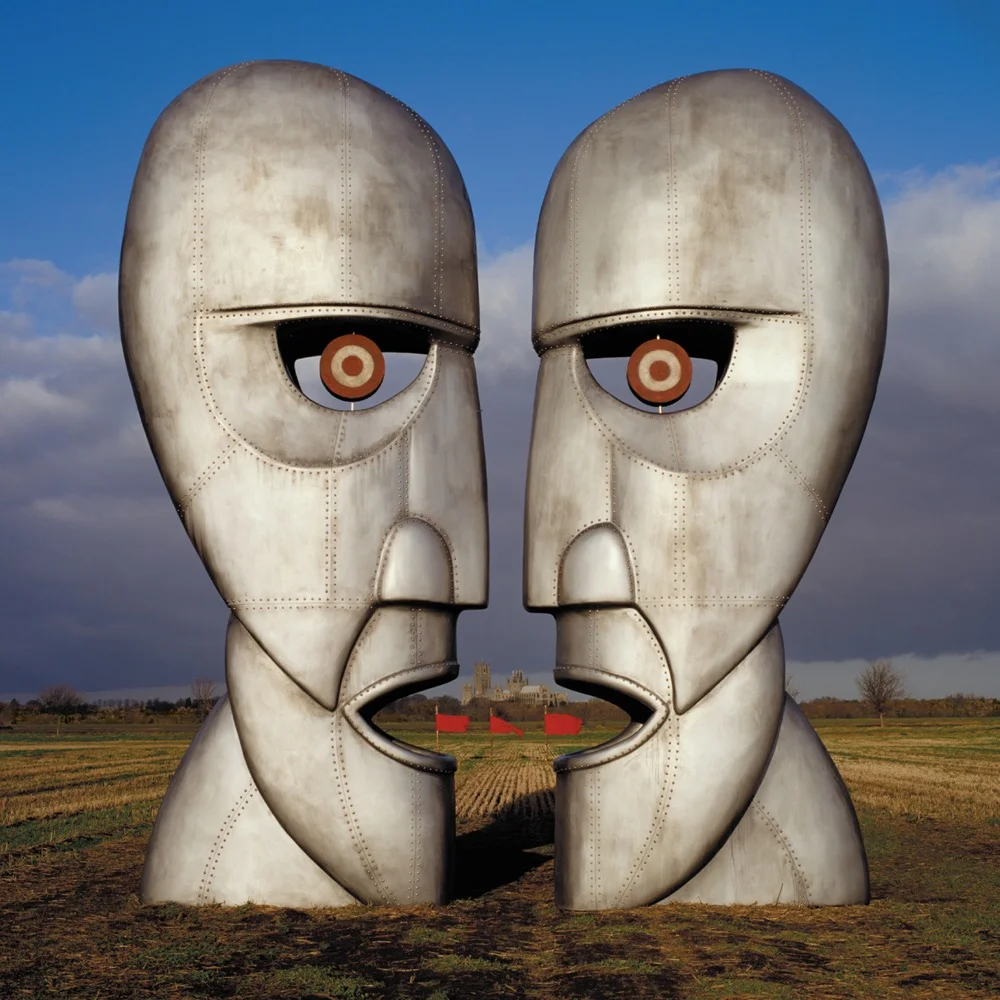
The Swan Song of The Division Bell
"High Hopes" is the closing track of Pink Floyd's 1994 album The Division Bell. Sung by David Gilmour, the song is a reflection on early life, ambition, and the passage of time. Unlike high-energy rock tracks, this song demands vocal stamina and control.
To sing this well, you need to master the art of storytelling. Gilmour's delivery is conversational yet melodic, sitting comfortably in a Baritone's chest resonance while occasionally reaching up for emphasis.
Phase 1: The Verses (C Minor)
The song begins with the famous Division Bell tolling a C note. Your entrance on "Beyond the horizon of the place we lived when we were young" needs to be grounded. It sits low in the range (C3-Eb3).
The Trap: Because it is low and quiet, singers often get "fry" in their voice. Keep the tone forward and clear. Do not whisper; project quietly with support.
Phase 2: The Chorus Lift
The emotional release comes with the lines: "The grass was greener / The light was brighter." Here, you must increase volume and intensity. The melody climbs towards G4.
- Vowel Shaping: Open your mouth vertically on "Greener" and "Brighter." A horizontal smile shape will make the tone thin and nasal.
- Placement: Feel the vibration move from your chest to your hard palate (roof of mouth). This is your "mix" voice activating.
Phase 3: The Sustain and Tone
Gilmour’s voice has a raspy, weary quality that adds to the emotion. While you shouldn't force rasp (which damages cords), you should focus on legato singing—connecting notes smoothly without gaps.
The line "The endless river / Forever and ever" requires you to hold notes steadily without wavering pitch. Use a slight vibrato only at the very tail end of the sustained notes for a polished finish.