 Singing Coach AI
The Masterclass in Funk Vocals
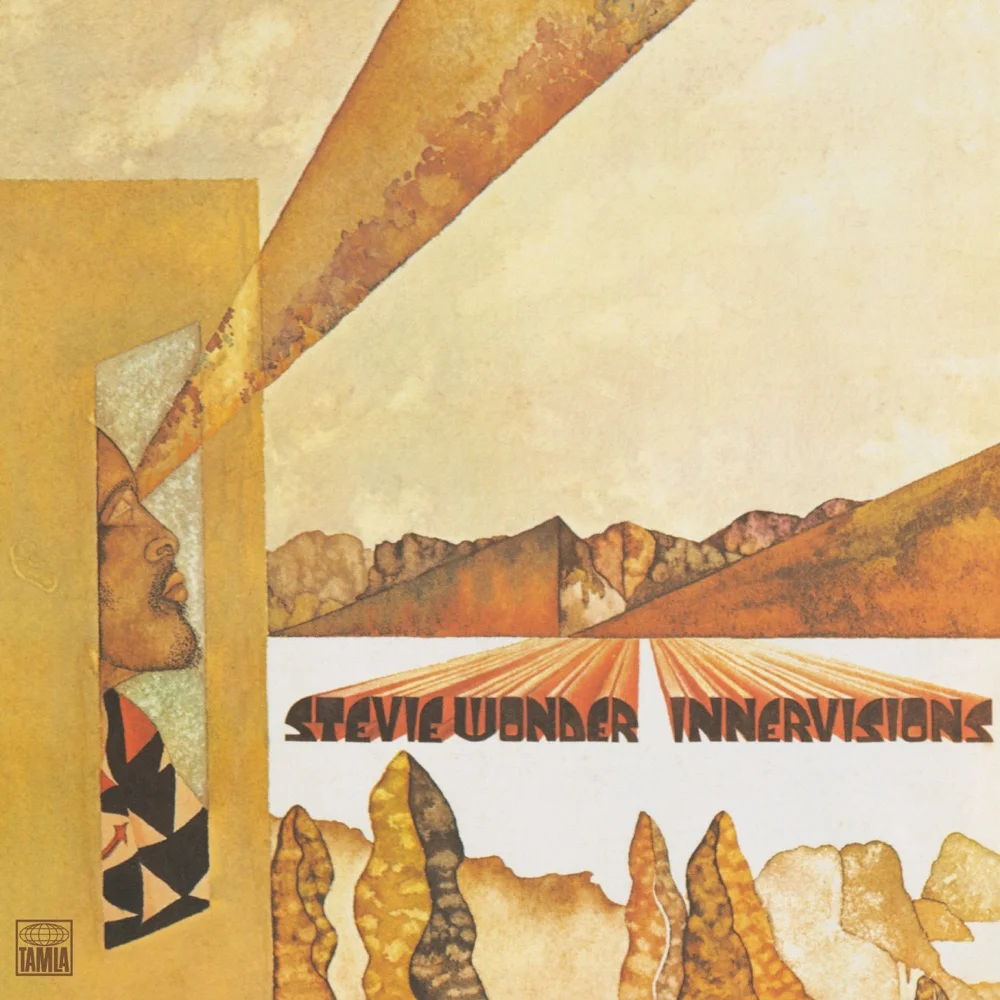
Released on the landmark 1973 album Innervisions, "Higher Ground" is a testament to Stevie Wonder's genius. He played every instrument on the track, and his vocal performance is just as relentless as the clavinet riff that drives it. It’s a spiritual plea wrapped in a gritty funk coating.
To sing this song effectively, you need more than just good pitch. You need "the pocket." The vocal melody is heavily syncopated, often hitting the off-beats to interact with the bassline. Let's break down how to approach the grit and the groove.
Phase 1: The Verses (The Attitude)
The song sits in Eb Minor. The verses ("People keep on learnin'...") require a conversational, yet punchy tone. You aren't singing a melody so much as you are preaching it.
Technique Check: Keep your larynx neutral but add a bit of "fry" or texture at the end of phrases. The melody revolves around the minor pentatonic scale (Eb, Gb, Ab, Bb, Db), which is the bread and butter of soul music.
Phase 2: The Chorus (The Power)
The refrain "Till I reach my highest ground" acts as the release. Here, you need to open up your chest voice. The word "Higher" jumps up in pitch and intensity.
- Breath Support: Engage your diaphragm before the word "Till." If you run out of air, the end of the phrase will sound weak.
- Vowel Modification: On "Ground," modify the vowel slightly towards "Grand" or "Grah-und" to open the throat and allow for more volume without strain.
Phase 3: The Outro (The Screams)
As the song fades, Stevie unleashes his full vocal range, hitting high belts and screams up to G5. This is advanced territory.
To replicate the "scream" safely, do not just push harder. Use vocal twang (narrowing the epiglottis) to create that piercing sound. It sounds loud to the listener, but it should feel relatively small and focused in your throat. If it hurts, stop immediately.