 Singing Coach AI
The Warmth of the Modern Baritone
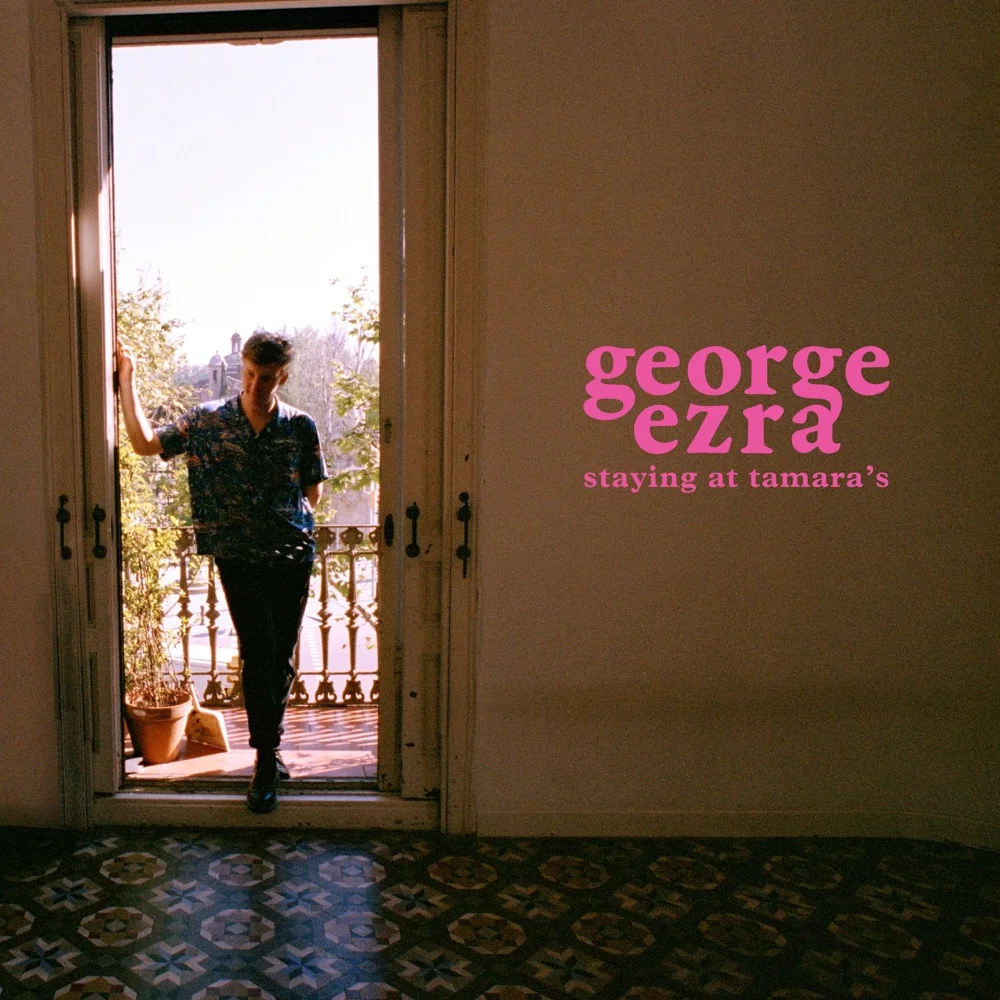
Released on George Ezra's sophomore album Staying at Tamara's, "Hold My Girl" is a standout track that showcases the richness of the lower male register. Unlike the upbeat "Shotgun," this is an intimate ballad that requires control, warmth, and emotional storytelling.
The song is perfect for Baritones and Basses who want to shine without straining for high notes. However, the challenge lies in maintaining clarity in the low F#2 notes and transitioning seamlessly into a delicate falsetto during the chorus. Let's break down the technique.
Phase 1: The Verse (The Low End)
The song starts deep in the chest voice. The lowest note hits an F#2. If you are a Tenor, these notes might feel very quiet or "breathy." To project them better, focus on "chest resonance"—feel the vibration in your sternum.
The Trap: Avoid "vocal fry." You want a clean, warm tone, not a gravelly sound. If you can't reach the note cleanly, it is better to transpose the song up +2 semitones in the app than to push your voice into an unhealthy fry.
Phase 2: The Chorus (The Flip)
The hook line "My girl, my girl, my girl" features a quick transition into head voice (or falsetto). This contrast between the deep verses and the light chorus is what makes the song effective.
- The Attack: The onset of "My" needs to be gentle. Do not attack it with a glottal stop.
- Tone Color: Unlike the verses, which are dark and round, the chorus should be bright and airy.
- Breath Support: Even though it's quiet, you need steady airflow to keep the pitch stable on the falsetto notes.
Phase 3: The Bridge & Dynamics
As the song progresses, the instrumentation builds. You should naturally increase your volume, but stay grounded in that chest voice. The bridge allows for a bit more "grit" or vocal weight, but never lose the folk-ballad sentiment.
The final chorus allows for ad-libs. If you are comfortable, try harmonizing a third above the melody line to add texture to your recording.